Strategic contraction: Lufthansa slashes 20,000 routes as geopolitical instability triggers fuel crisis
Lufthansa Group cancels short-haul services to conserve jet fuel following a sharp price surge linked to the US-Iran standoff in the Strait of Hormuz.
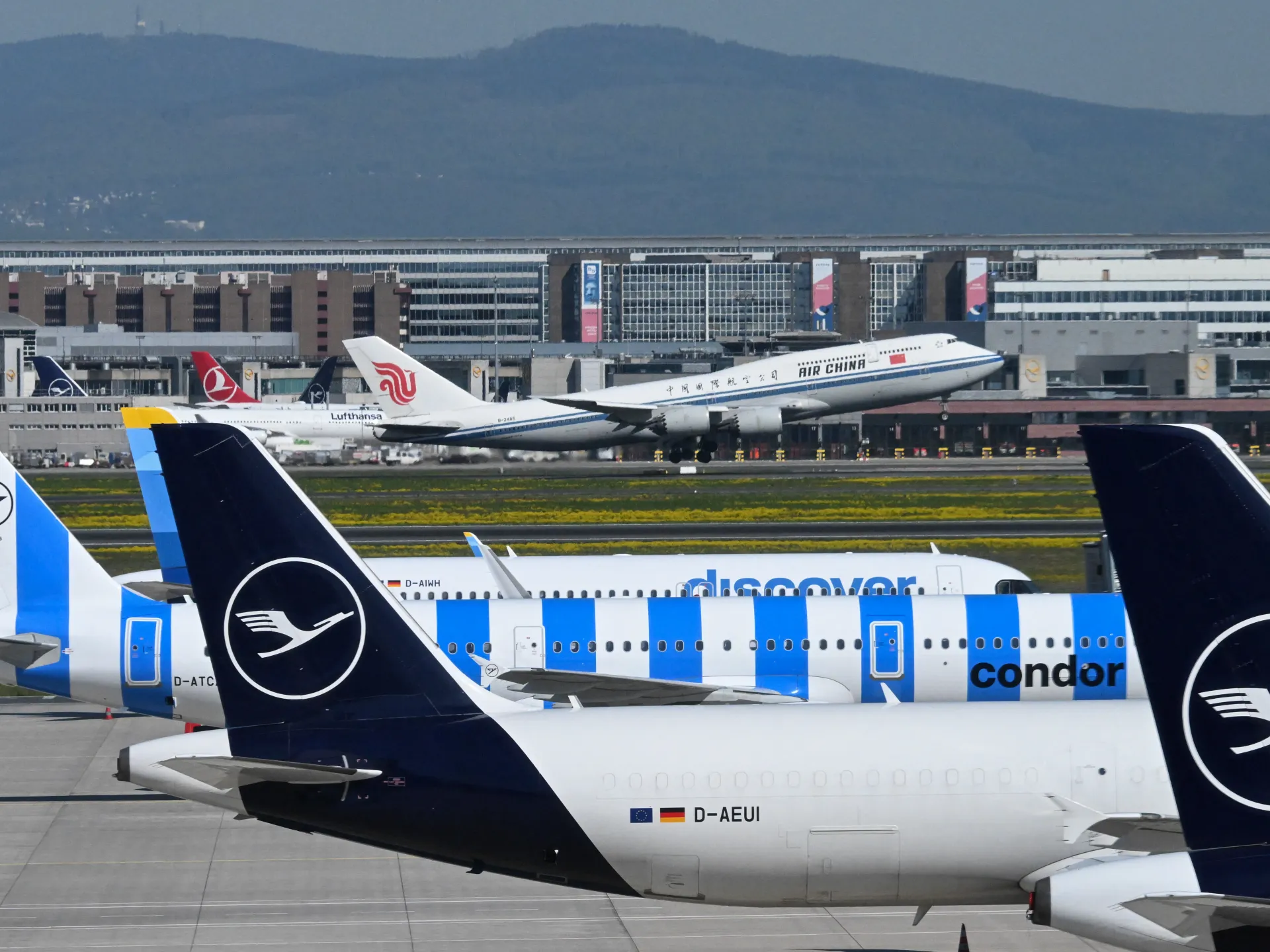
Lufthansa Group has announced the cancellation of 20,000 short-haul flights scheduled between now and October, a move driven by a severe jet fuel shortage stemming from the ongoing conflict between the United States and Iran. The German airline intends to remove less profitable routes to prioritise services connecting to its hub airports in Frankfurt and Munich, a strategy expected to save approximately 40,000 tonnes of jet fuel. This decision follows a previous announcement to ground 27 planes in its CityLine subsidiary earlier than planned, signalling a significant contraction in the carrier's operational footprint.
The immediate catalyst for these cuts is the disruption to global supply chains caused by the US-Iran standoff in the Strait of Hormuz. This vital waterway, through which one-fifth of the world's oil and liquefied natural gas supplies are shipped, has become a focal point of geopolitical tension. Jet fuel prices in certain markets have more than doubled since late February, rising from approximately $99 per barrel to as high as $209 per barrel by early April. European aviation companies are disproportionately affected because around 75 per cent of Europe's jet fuel imports originate from the Middle East.
While Lufthansa states it has secured sufficient fuel for the coming weeks and is actively pursuing physical procurement measures to stabilise summer supplies, broader warnings regarding European reserves remain stark. Officials caution that Europe may have only six weeks of jet fuel remaining if oil supplies remain halted, despite a temporary ceasefire. The International Energy Agency has echoed these concerns, with its head noting that possible flight cancellations could occur soon if the supply halt persists.
The economic implications of this energy crisis extend beyond immediate flight availability, with long-term impacts on European energy prices potentially lasting for months or years. EU Energy Commissioner Dan Jørgensen estimates the war is costing Europe roughly 500 million euros daily, warning that price impacts could endure for an extended period. The fundamental divergence between Washington and Tehran on the situation in the Strait casts doubt on the feasibility of diplomatic talks, leaving the duration of the supply disruption uncertain.
For travellers, the institutional response from the airline sector means fewer flight options and higher fees heading into the peak summer season. Many airlines are already raising checked bag fees or adding fuel surcharges to offset the volatile costs. As the conflict continues to disrupt the flow of critical resources, the aviation industry faces a complex challenge of balancing operational viability against the constraints imposed by geopolitical instability in the Strait of Hormuz.