Special prosecutor seeks 30-year term for former South Korean President Yoon over alleged martial law pretext
A dedicated special prosecutor has submitted a sentencing recommendation on 24 April 2026, arguing that the former head of state orchestrated a false military incident to legitimize emergency powers.
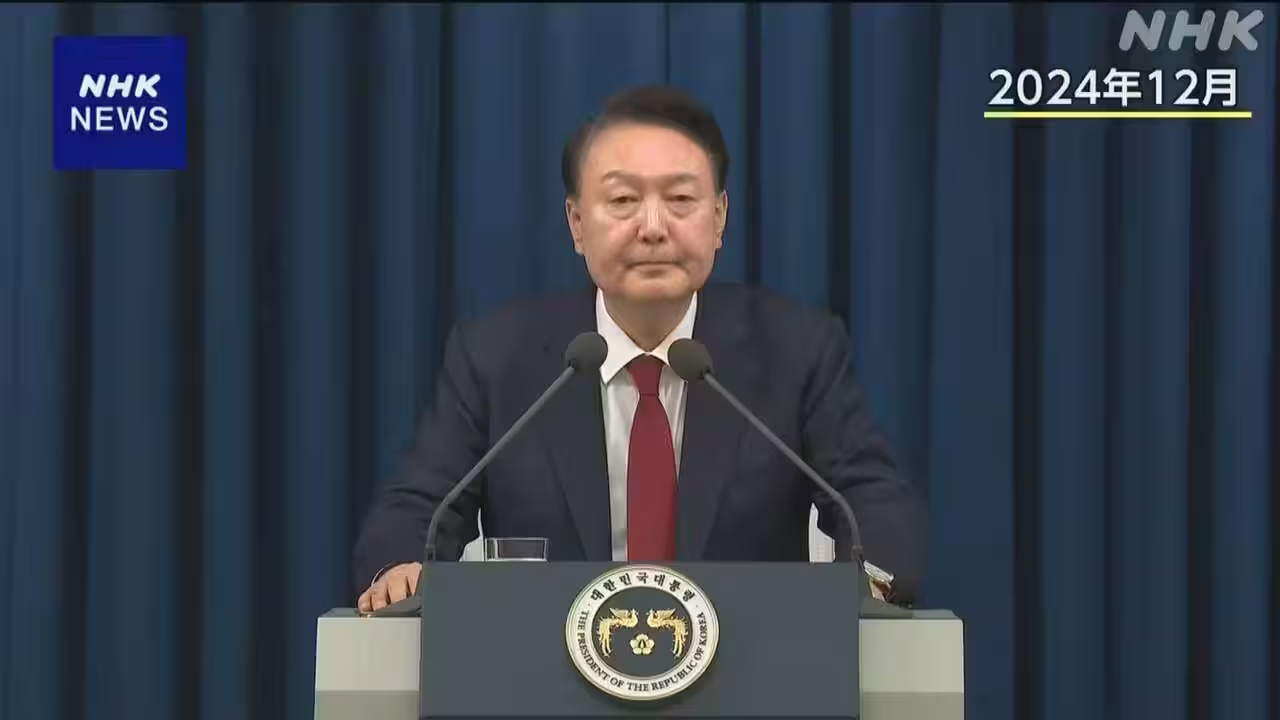
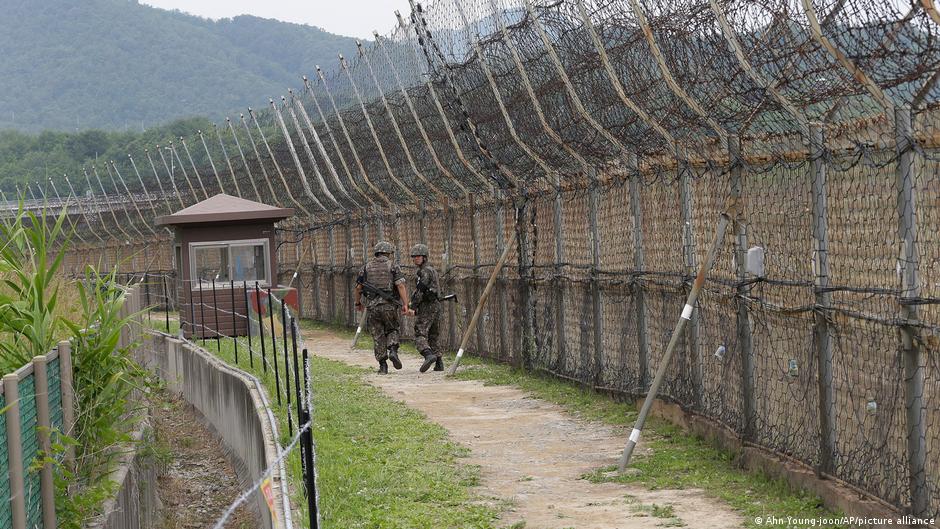
A special prosecutor in South Korea has formally requested a 30-year prison sentence for former President Yoon Suk-yeol. The prosecution argues that the former leader ordered the military to launch a drone attack on North Korea specifically to fabricate a pretext for declaring martial law within the nation.
This legal action centres on the legitimacy of Yoon's previous declaration of "very strict martial law". The special prosecutor's office contends that the military operation was not a genuine response to a threat but was instead orchestrated to create a justification for the imposition of emergency powers.
The request for sentencing was made on 24 April 2026, marking a significant development in the ongoing trial regarding the former president's actions. While the prosecution has outlined its desired penalty, the source material confirms this is a recommendation rather than a final judicial ruling imposed by the court.
The allegations suggest a deliberate manipulation of the security situation to bypass normal democratic procedures. By ordering the drone strike, the prosecution claims Yoon sought to manufacture a crisis that would allow for the suspension of civil liberties under the guise of national defence.
The case is being handled by a dedicated special prosecutor's office, which is tasked with investigating the specific charges related to the fabrication of the military incident. The prosecution maintains that the evidence supports the view that the drone attack was a calculated move to enable the declaration of martial law.
Until a court verdict is reached, the claim that the attack was ordered solely to create a false justification remains an allegation. The proceedings continue to scrutinise the extent of the former president's authority and the methods used to exercise it during the period of martial law.