South Korean footballers demand mandatory heat protocols after survey reveals widespread physical strain
The Korea Pro-Footballers Association is urging governing bodies to overhaul current safeguards, citing data that shows nearly 90 per cent of surveyed players support operational changes during extreme heat.
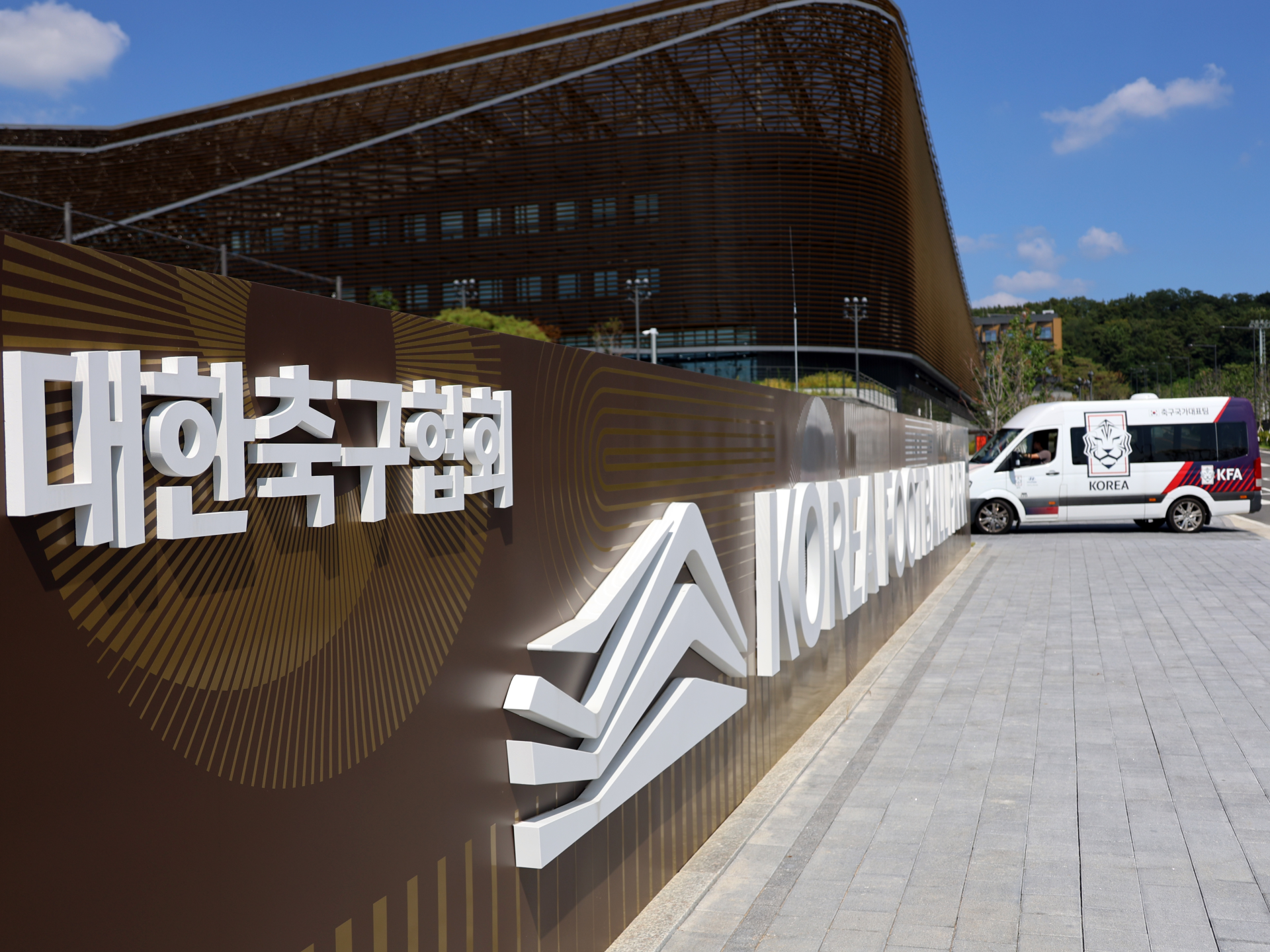
South Korean professional footballers have called for stronger institutional protections against extreme heat, following a survey by the Korea Pro-Footballers Association (KPFA) that highlighted widespread physical strain among players. The union is urging the Korea Football Association (KFA), the K League, and the WK League to implement mandatory heat protocols, arguing that existing safeguards are insufficient to address the risks posed by rising temperatures.
The KPFA surveyed 536 players from the K League and WK League during a summer period when pitch temperatures reportedly exceeded 40 degrees Celsius. The findings indicated that 86.2 per cent of respondents suffered significant physical strain while playing in the heat. Specific health issues reported included dizziness, cited by 64.7 per cent of players, severe dehydration at 56.6 per cent, and temporary lapses in consciousness at 13 per cent.
KPFA President Lee Keun-ho, a former national team player, described the data as a "glaring red flag," noting that over 70 players experienced symptoms ranging from dizziness to temporary loss of consciousness. The union contends that the current cooling-break system, which typically provides a break of just over three minutes once temperatures reach a specified threshold, does not sufficiently protect athletes.
The survey also revealed significant dissatisfaction with current match operations. Almost half of the respondents expressed dissatisfaction with the existing cooling-break system, while nearly 90 per cent supported changes to how matches are managed during extreme heat. More than half of the players favoured later kickoff times, with others backing the postponement or cancellation of matches when heat advisories are in effect.
The KPFA highlighted that women players face distinct challenges, including matches scheduled on artificial turf during the hottest parts of the day and a lack of adequate air-conditioned changing facilities. KPFA Women’s President Ji So-yun stated that playing on artificial surfaces that trap and radiate heat is "essentially forcing athletes into a furnace," and called for the sport to prioritise player health over rigid scheduling.
In response, the KFA stated that player health and safety remains its "absolute top priority." The governing body acknowledged the concerns raised by the union and said it is taking steps to reduce risks, including adjusting match schedules and enforcing cooling breaks. However, the KFA noted logistical challenges, such as stadium availability and tight scheduling limitations, which constrain its ability to make immediate changes. The KPFA has further suggested that the findings should prompt a broader discussion on switching South Korea’s football calendar to an autumn-spring schedule.