Washington pivots to economic isolation strategy for Tehran
Treasury Secretary Scott Bessent signals a strategic shift away from military confrontation, prioritising financial pressure as the primary lever against Iran.
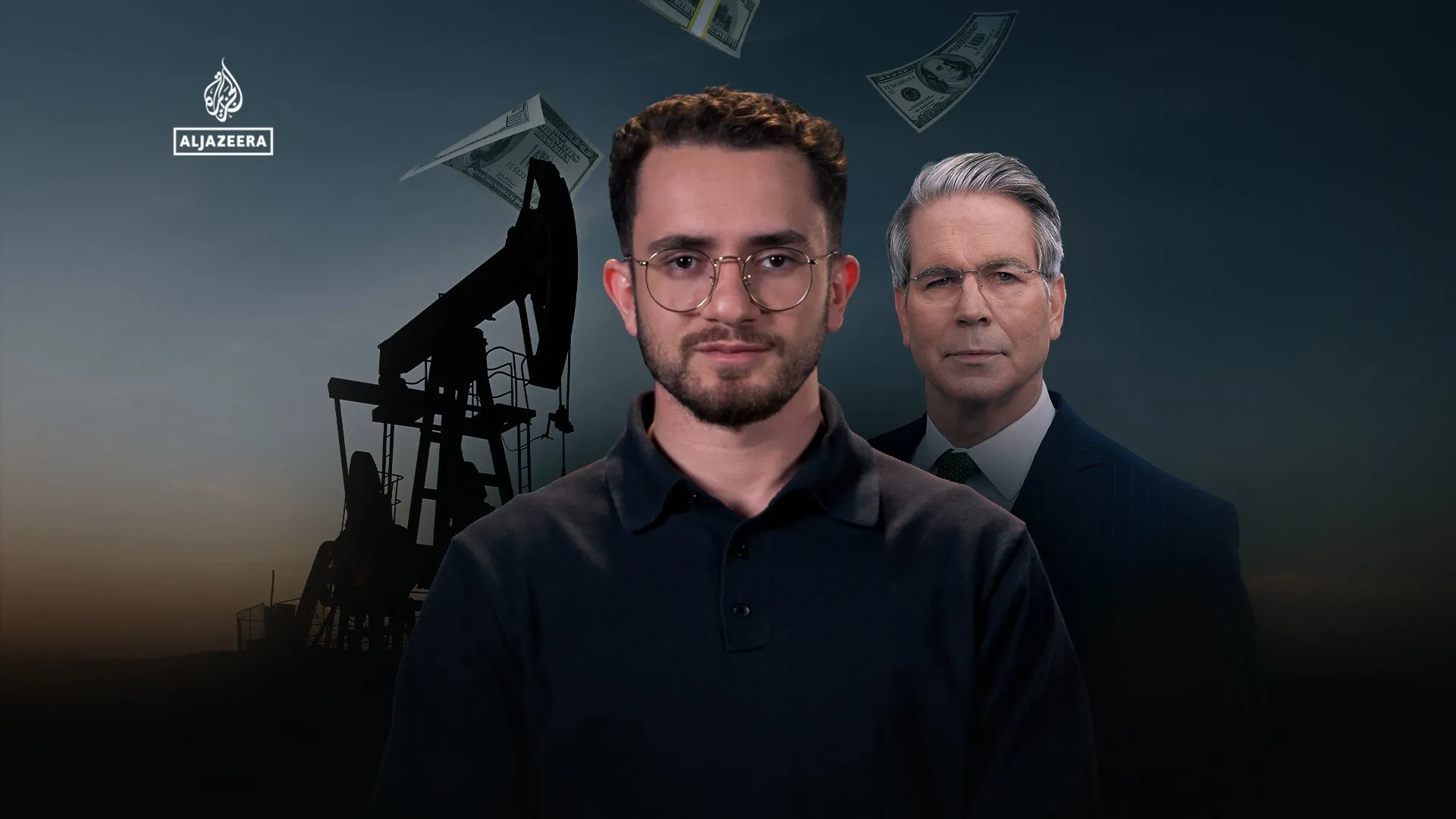
The United States is adjusting its diplomatic and economic posture towards Iran, with Treasury Secretary Scott Bessent indicating a move towards a strategy of economic isolation. The shift marks a distinct change in Washington’s approach, placing greater emphasis on financial mechanisms to constrain Tehran’s influence and capabilities.
This strategic recalibration follows the collapse of a 60-day ceasefire between the two nations in late June 2026. With the truce no longer holding, the US government appears to be formalising a path that relies less on immediate military escalation and more on sustained economic pressure.
The new direction aligns with recent rhetoric from President Donald Trump, who threatened Iran with an "economic D-Day" and broader financial isolation. The administration’s language suggests an intent to disrupt Iran’s access to global markets and financial flows, effectively squeezing the economy to force policy concessions.
The timing of the announcement coincides with significant volatility in US financial markets. On 21 August 2026, US markets recorded their worst losses in three weeks, prompting immediate intervention from the Treasury. Bessent announced emergency buybacks of long-dated debt to stabilise the market and mitigate the impact of these losses on domestic investors.
While the specific mechanisms of the "economic isolation" strategy have not been fully detailed, the focus on financial tools suggests a long-term containment plan. This approach contrasts with the more immediate, security-focused postures seen in other regional actors, such as Israel, which has prioritised defined security interests over broader diplomatic considerations.
For policymakers, the shift represents a test of whether financial leverage alone can achieve objectives previously pursued through military or diplomatic channels. The success of this strategy will depend on the resilience of Iran’s economy and the willingness of other nations to align with US financial pressures.