Djibouti football federation hit with audit over FIFA funding
A government inspector’s report alleges favouritism and overpricing in the awarding of a headquarters contract, prompting resignations and threats of a league boycott.
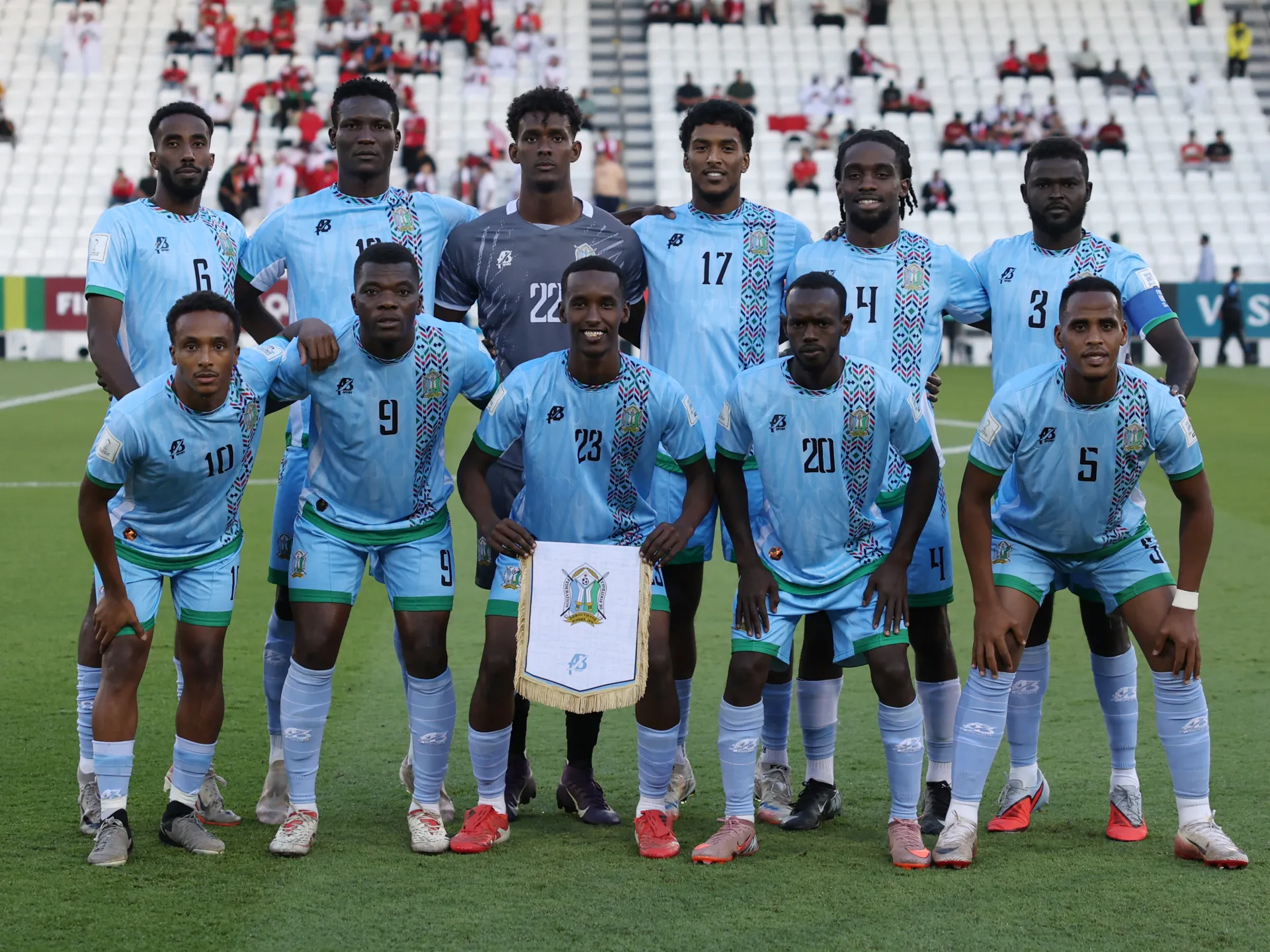
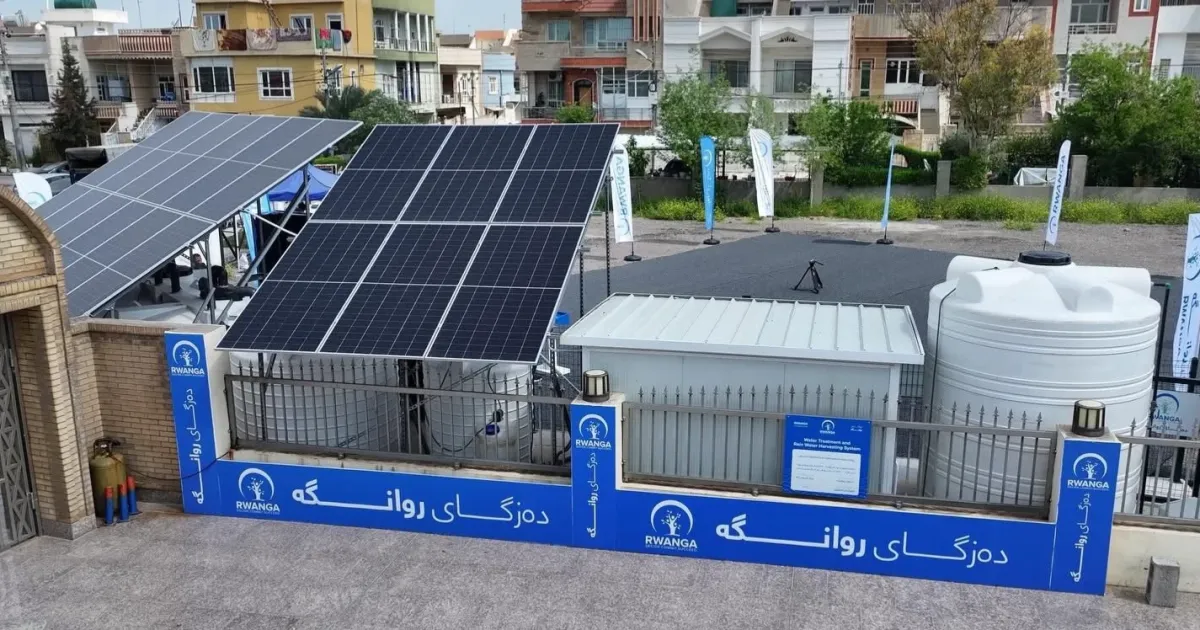
The Djibouti Football Federation is facing scrutiny over the management of international grants after a government audit accused the body of favouritism and inadequate competitive bidding. The allegations centre on the awarding of a contract for a new headquarters, with funds provided by FIFA and Saudi Arabia said to have been misused.
A 2024 government inspector’s report, recently obtained by the AFP news agency, highlights overpricing and structural issues within the federation. The document specifically cites favouritism in the selection process for the headquarters project. These findings come as the federation receives more than $1m annually from FIFA and the Confederation of African Football (CAF).
Dissent within the football community has grown in response to the audit. Mohamed Elmi Farah resigned from the federation’s executive committee on 12 August, citing concerns regarding the management and use of the federation’s resources. Additionally, a local club manager, speaking on condition of anonymity, threatened to boycott this year’s league unless there was a change in leadership.
The manager alleged that the federation’s resources were not being used for the development of football. He pointed to the recent success of Cape Verde, which reached the knockout stage of the 2026 FIFA World Cup, as evidence that small African nations can succeed with effective organisation. The manager suggested that Djibouti’s failure to replicate this success indicated a structural problem within the federation.
Federation head Souleiman Hassan Waberi contested the severity of the allegations, stating that FIFA had officially confirmed its monitoring mechanisms revealed no indication of wrongdoing regarding disbursed funds. Waberi, who also serves on the FIFA Council as a representative of CAF, acknowledged shortcomings regarding competitive bidding in certain operations but attributed them to the limited availability of items in Djibouti. He stated that procedures had since improved.
FIFA did not respond to queries regarding the specific allegations. The controversy unfolds against a backdrop of Djibouti ranking 124th out of 182 countries on Transparency International’s corruption perception index. The nation, with a population of approximately one million, has been ruled by President Ismael Omar Guelleh since 1999.