Ceuta migration crisis: Families camp at border as Spain buries unidentified bodies
More than two weeks after a mass crossing into the Spanish enclave, Moroccan relatives are searching for missing loved ones while authorities begin interring unclaimed remains.
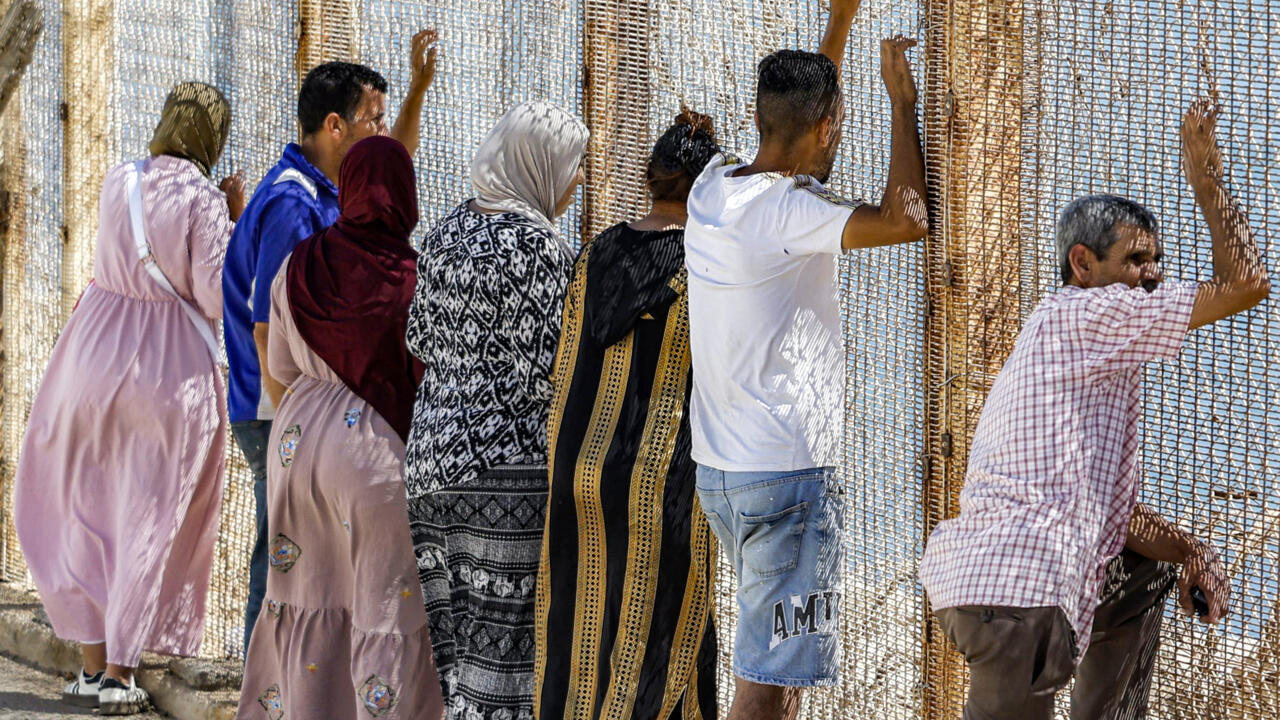
Moroccan families are gathering at the Tarajal border post to search for relatives who disappeared during a large-scale migration wave into the Spanish enclave of Ceuta on 30 and 31 July. More than 70,000 people crossed the border during the two-day period, with almost all migrants having since left the enclave, though between 2,000 and 5,000 remain.
The official death toll is 91, comprising 80 in Spain and 11 on the Moroccan side. However, the Moroccan Association for Human Rights estimates the figure to be at least 141. Spanish authorities have recovered dozens of bodies at sea but face significant difficulties in identifying the victims, leaving many families in a state of uncertainty.
A court order was issued on Thursday to begin the burial of unidentified bodies in Ceuta. Saïd Mohammed Mohammed, the manager of the Sidi Mbarek Muslim cemetery, stated that more than 80 bodies could not all be buried on that day due to a lack of resources. He explained that unclaimed bodies are assigned identification numbers and court files, allowing for the transfer of remains if families later come forward to confirm identities.
Spanish authorities have established a special office for missing persons to collect forensic data, including DNA samples from family members. Since the office opened, 32 cases have been recorded, with 29 matching DNA registered in their database. The first body identification using this method was confirmed on 5 August.
Families are using social media to locate missing loved ones, sharing photographs and messages of distress on platforms such as Facebook, Instagram, and TikTok. One family reported that their 32-year-old son, Mehdi, was seen in a video emerging from the sea but has not been heard from since. Another father, Rahali, said his son Zakaria’s phone line went dead on Saturday following the crossing, and he has since searched hospitals and police stations without success.
Forensic experts from the Spanish Civil Guard are working to compare fingerprints and biological data. There is the possibility of sharing information about the victims with Moroccan authorities to assist in the identification process, as the search for missing persons continues across the border.