Soaring gold prices force South Asian families to pivot to substitutes for weddings
From "one-gram" coated ornaments to imitation sets, consumers are redefining wedding traditions to manage costs, though concerns over social acceptance and security persist.
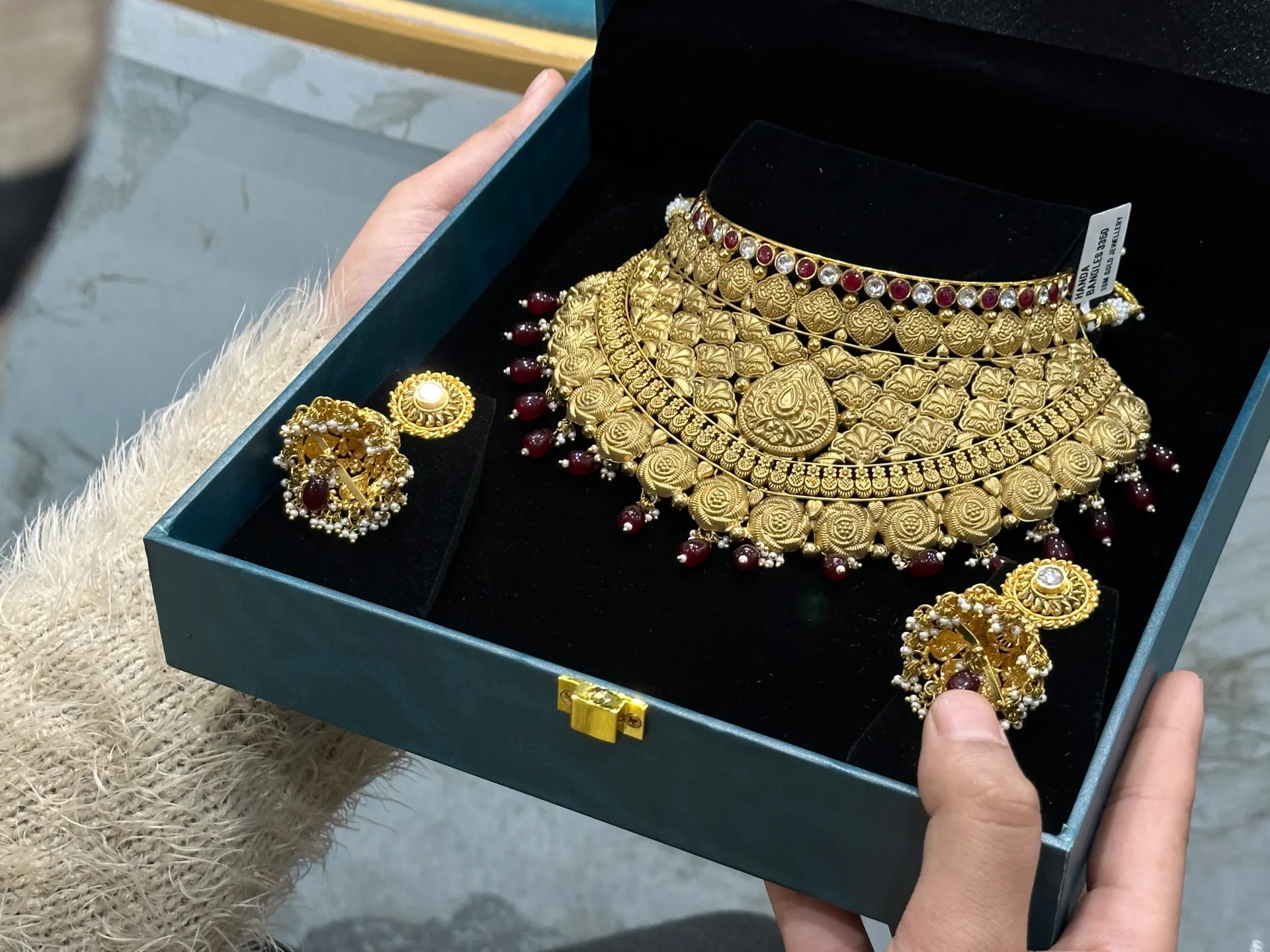
Record gold prices across South Asia have rendered traditional wedding jewellery unaffordable for many families, prompting a significant shift towards imitation jewellery, gold-plated ornaments, and "one-gram gold" substitutes. In India, demand for gold jewellery fell by 24 percent in 2025, while in Pakistan, sales dropped by approximately 50 percent over the past year. Consumers are increasingly prioritising appearance and tradition over material value to manage wedding costs and social expectations.
The economic pressure is evident in specific market trends, with gold futures in India reaching a high of $5,595 per ounce in January 2026. In Bangladesh, 22-carat gold hit a record $2,200 per 11.668 gram, and in Pakistan, prices reached around 540,000 Pakistani rupees per tola. In Mumbai's Zaveri Bazaar, goldsmiths report that out of every 10 customers, only one buys pure gold, with the rest opting for artificial or plated alternatives.
A specific trend has emerged where ornaments are made of base metals coated with a thin layer of 24-carat gold, marketed as a solution for those who cannot afford pure gold but wish to maintain the appearance of wealth on their wedding day. This "one-gram gold" concept allows families to preserve the visual tradition of dowry without the full financial burden, though it represents a departure from the historical norm where gold served as both ornament and protection.
In Bangladesh, the shift is driven not only by cost but also by security concerns. Some consumers explicitly avoid real gold due to fears of theft during weddings, preferring cheaper imitation pieces that can be discarded or replaced easily. Store owners in Dhaka note that demand for imitation jewellery has grown sharply as gold becomes too expensive for most, with smaller items costing as little as $1.50 to $4.
However, social stigma versus financial reality remains a complex issue. While some families feel they cannot afford the traditional dowry, others face rejection from potential in-laws who still demand pure gold, rendering substitutes socially unacceptable in certain contexts. In Indian-administered Kashmir, one woman remains unmarried because a prospective family demanded gold worth more than her family possessed, despite her willingness to use available substitutes.
Despite these challenges, attitudes regarding jewellery are beginning to shift, with more families buying gold only for investment purposes while interest in symbolic substitutes grows. Nisar Ahmad Bhat, a jeweller in Srinagar, noted that people want the happiness of wearing gold but within an affordable range, suggesting that gold may increasingly be viewed as an investment rather than a casual purchase.