Shareholders greenlight $81bn Warner Bros. Discovery sale to Paramount
The transaction encompasses HBO Max, Harry Potter intellectual property and CNN, yet finalisation is contingent upon regulatory clearance amid concerns over market concentration
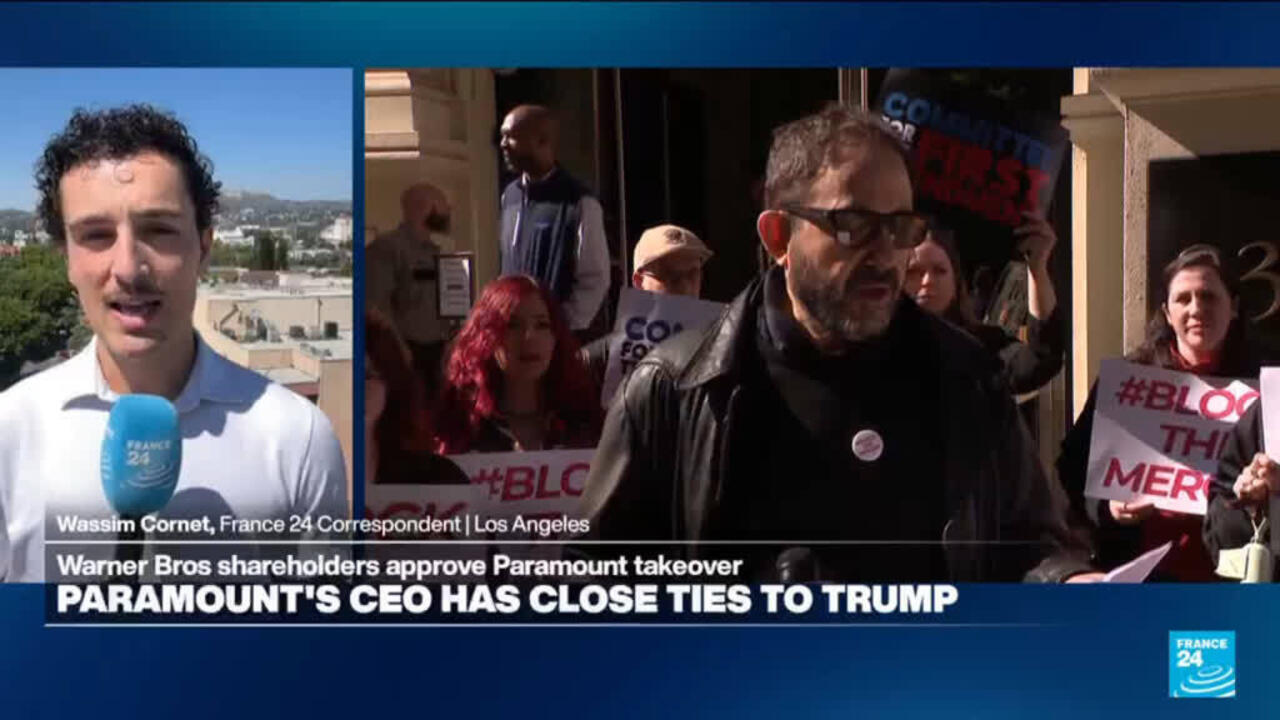
Warner Bros. Discovery shareholders have formally approved the sale of the company to Paramount Global for $81 billion. This decision, reached on Thursday, represents a significant institutional milestone in a prolonged takeover saga that has defined the landscape of the global media sector.
The proposed transaction involves the transfer of key assets, including the streaming service HBO Max, the intellectual property rights to the Harry Potter franchise, and CNN. While the shareholder mandate provides a clear path forward for the deal, it does not constitute finalisation of the merger.
Despite the approval from the company's owners, the transaction remains subject to rigorous regulatory scrutiny. Relevant authorities, including the US Federal Trade Commission and international regulators, have not yet confirmed their stance on the merger. Consequently, the exact timeline for the deal's closure remains entirely dependent on the outcome of these ongoing reviews.
Critics have raised objections regarding the implications of combining two major media conglomerates. The primary concern centres on media plurality and the potential for increased market concentration. These criticisms highlight the tension between corporate consolidation and the preservation of diverse media ownership structures.
While the source material notes that the takeover is bringing the saga closer to completion, the final terms could be altered or the process delayed by regulatory bodies. The approval by shareholders is a necessary condition, but it is not sufficient to bypass the legal and policy frameworks governing such substantial transfers of media assets.
The reporting on this development, attributed to Wassim Cornet from Los Angeles, underscores the complexity of the situation. As the deal moves from shareholder approval to the regulatory phase, the focus shifts from corporate strategy to governance and the broader policy impact on the media industry.