Senate clears path for ICE funding as shutdown enters final legislative phase
Following a protracted debate and Democratic amendment tactics, the chamber instructs committees to draft final legislation for immigration enforcement agencies
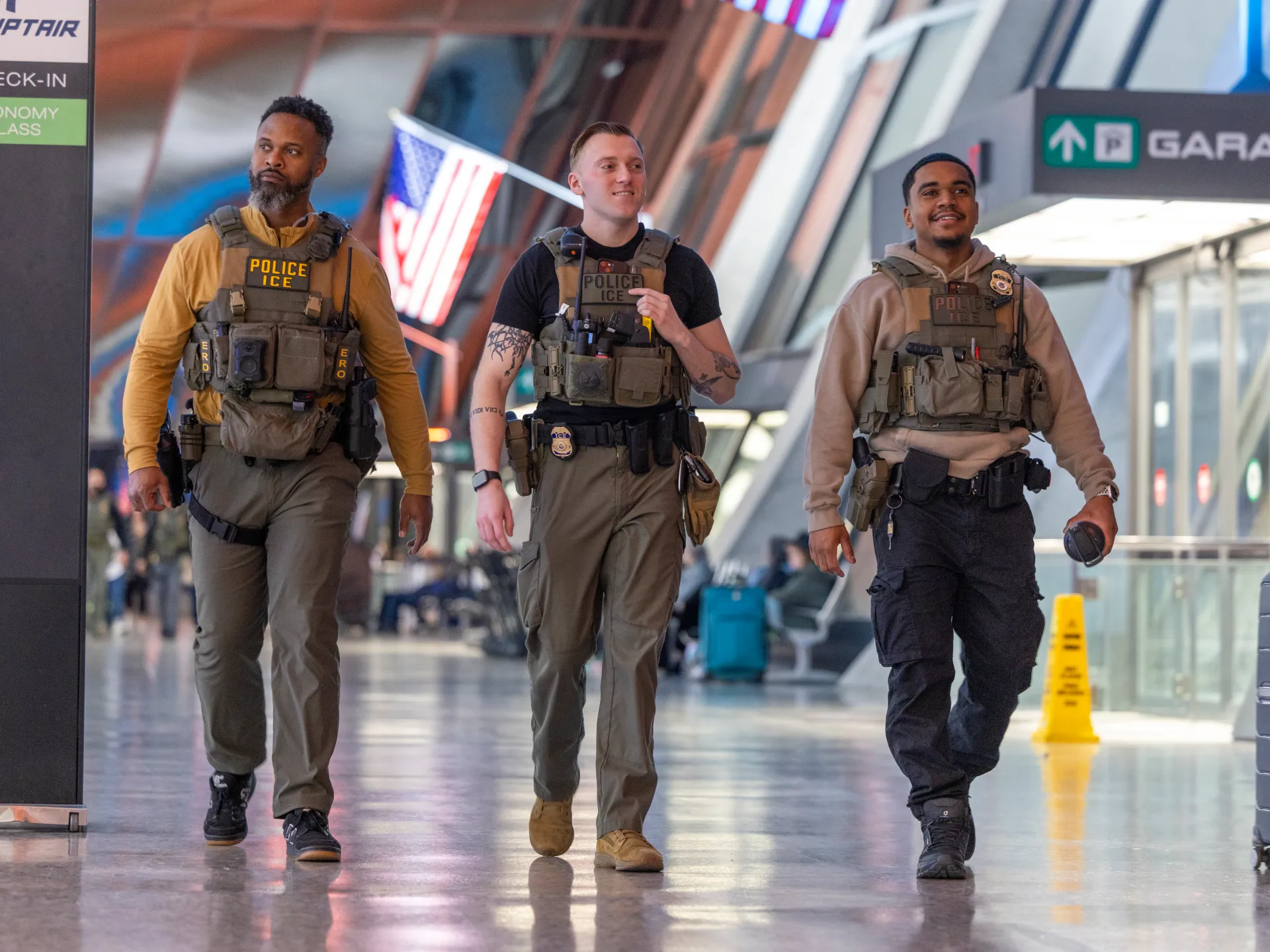
The United States Senate has passed a resolution to fund Immigration and Customs Enforcement and Customs and Border Protection, marking the first procedural step toward ending the 68-day government shutdown. Achieved through budget reconciliation, the measure requires only a simple majority to pass, bypassing the 60-vote threshold typically needed to overcome a filibuster. This legislative move instructs committees in both chambers to draft the actual funding bill, which Republicans aim to have signed by President Donald Trump by 1 June.
The vote occurred early Thursday after 50 hours of debate, during which 50 Republicans voted in favour while two broke ranks to join Democrats in opposing the measure. While the resolution effectively permits Senate committees to increase the federal deficit by approximately $140bn to fund the agencies, top Republican officials state the final legislation is expected to total around $70bn over a three-and-a-half-year period. The House of Representatives must now pass its own resolution before both chambers' committees can craft the actual funding bill.
Democrats, led by Senate Majority Leader Chuck Schumer, utilised a 'vote-a-rama' tactic to delay proceedings and introduce symbolic amendments ahead of the November midterms. This procedure allowed the minority party to rapidly introduce and vote on numerous amendments designed to portray Republicans as out of touch with affordability concerns. Schumer described the process as a 'reconciliation of contrasts', arguing that Democrats sought to lower costs for citizens while Republicans aimed to provide billions for what he termed a private army.
Despite the procedural hurdles, specific amendments found support among some Republicans, including measures to address delays in health insurance claims and to slash prescription drug prices. The latter amendment was introduced by progressive Senator Bernie Sanders and garnered backing from three Republicans. However, efforts to include the Trump-backed SAVE America Act in the legislation failed, with four Republicans voting against the inclusion of the measure which supporters claim will increase election security.
The resolution serves primarily as a set of instructions for committees to build the eventual funding legislation, leaving significant work remaining. Republicans in the House could seek to alter the parameters of these instructions, necessitating further mediation between lawmakers in both chambers. Once both sides approve the parameters, the real work of hammering out the final legislation will begin, potentially subjecting the process to another 50-hour debate and subsequent amendment rounds.
The political backdrop to this legislative effort includes intense scrutiny of President Trump's hardline immigration drive, which has become increasingly unpopular among the US public. The shutdown was sparked by opposition to mass deportation policies, with Democrats wagering that the political toxicity of supporting such policies outweighed the blame associated with the prolonged closure of federal agencies.