Yen Reverses Half of Gains Following Unprecedented US-Japan Intervention
The latest data indicates that the Japanese yen has erased approximately half of the gains achieved following an unprecedented joint intervention by the United States and Japan, according to reports from CNBC.
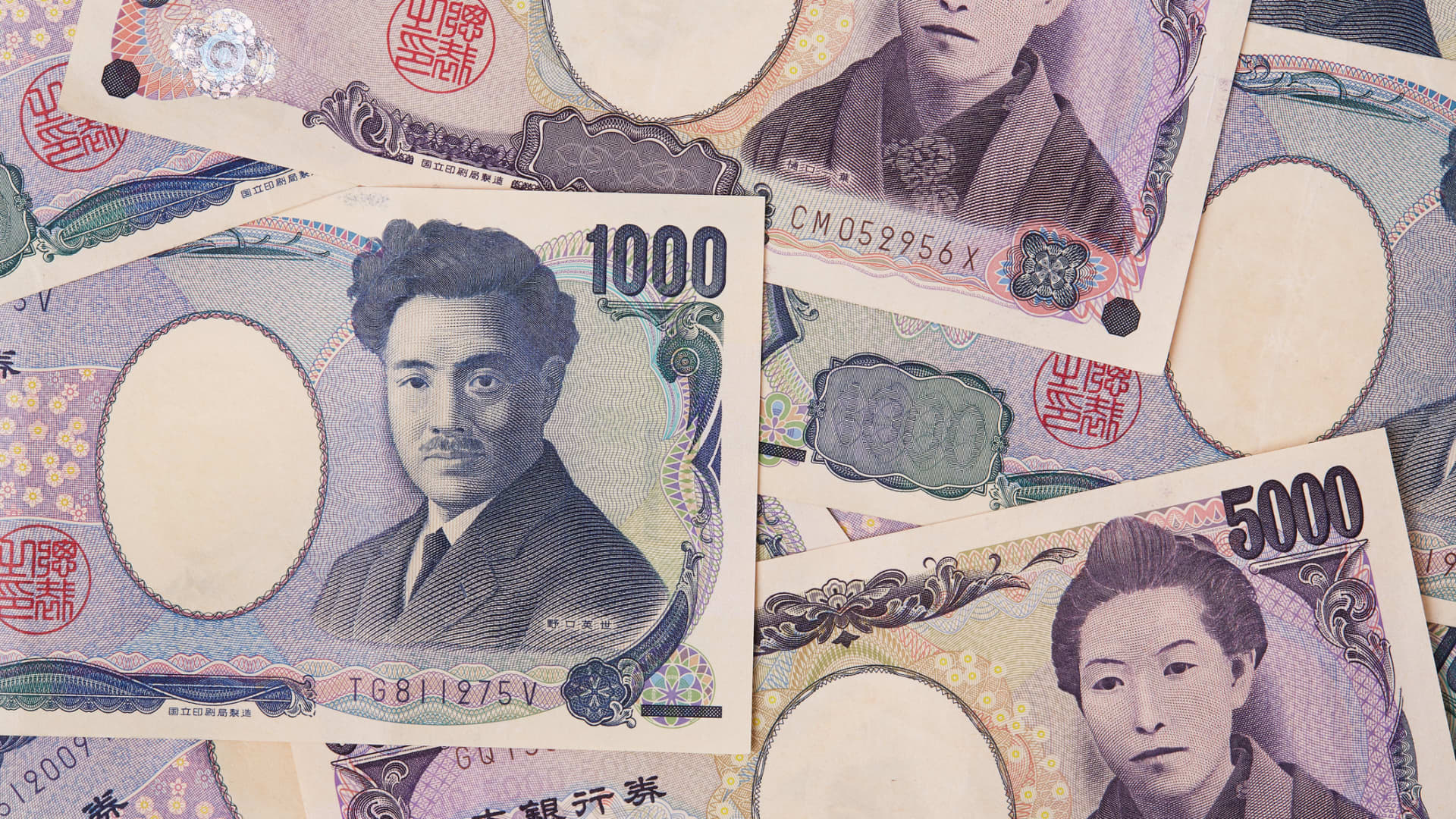
The Japanese yen has reversed a significant portion of its recent strength, erasing approximately half of the gains secured following an unprecedented joint intervention by the United States and Japan. The reversal occurred less than two weeks after the coordinated effort to support the currency, signalling a swift return to market pressures.
According to reporting by CNBC, the currency’s performance has retreated sharply from the levels reached immediately after the intervention. The specific magnitude of the initial gains prior to this reversal is not quantified in the source material, but the partial loss of value suggests that the market’s underlying dynamics remain resilient against the policy action.
The intervention itself was described as historic in nature, representing a rare instance of direct coordination between the two major economies to influence exchange rates. However, the speed at which the yen has lost ground indicates that the initial boost provided by the joint action has been largely unwound by traders and institutional investors.
No further details regarding the specific mechanisms of the intervention or the exact timing of the subsequent sell-off were provided in the source text. The report focuses solely on the outcome of the currency’s movement relative to the gains achieved in the immediate aftermath of the policy announcement.
Market participants are now observing whether this partial reversal signals a broader trend or if further intervention measures may be considered by authorities in Washington and Tokyo to stabilise the yen.