Oil prices rise on Wednesday following Red Sea and Gulf of Oman attacks
Deadly attacks on vessels in critical waterways have triggered a rise in oil prices, with investors weighing the impact on global logistics.
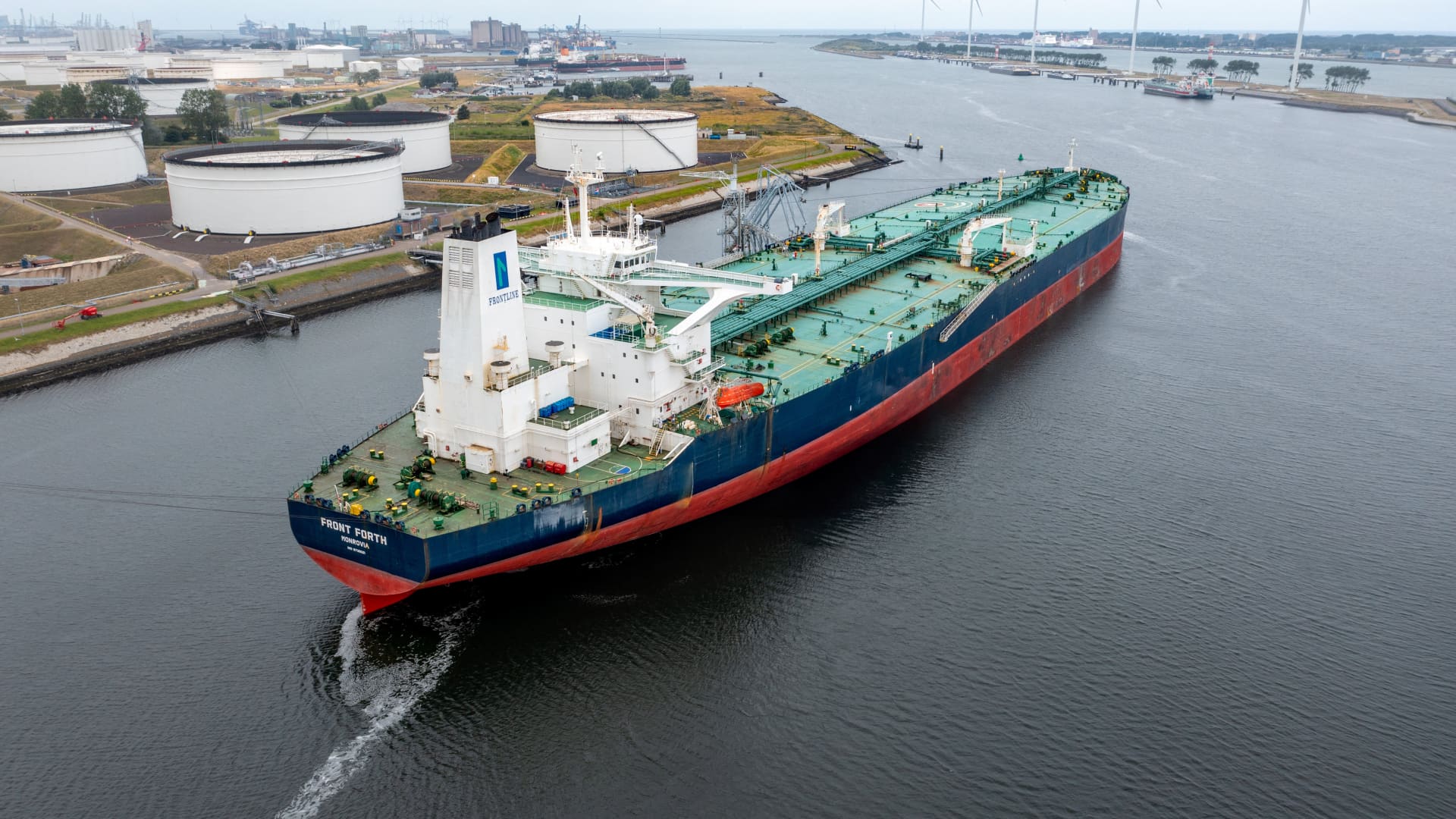
Oil prices increased on Wednesday following a series of deadly attacks on vessels in the Red Sea and the Gulf of Oman. The incidents have intensified concerns regarding the security of global shipping routes, prompting immediate market reaction to the escalating risks in key energy transit corridors.
The Red Sea and the Gulf of Oman serve as critical chokepoints for global energy logistics. Disruptions to these waterways typically have a direct impact on supply chains feeding Western nations, making any threat to maritime traffic a significant factor for commodity markets.
While the specific magnitude of the price increase was not quantified in initial reports, the directional move in oil markets reflects the broader anxiety surrounding supply-side pressures. Geopolitical logistical issues in these regions have historically compounded volatility, and the current attacks have reinvigorated fears of potential bottlenecks.
The attacks come against a backdrop of complex regional diplomacy. On 11 June 2026, US and Iranian officials indicated progress toward an interim peace deal aimed at reopening the Strait of Hormuz, a related strategic waterway. Despite these diplomatic signals, the recent violence in the Red Sea and Gulf of Oman has underscored the fragility of maritime security in the region.
Current reports do not detail the exact number of vessels attacked or the specific casualty counts sustained. However, the confirmation of deadly attacks has been sufficient to drive the recent upward movement in oil prices, as traders assess the potential for prolonged disruptions to global energy flows.