Rat infestation in Gaza displacement camps creates severe public health emergency
The Ministry of Health describes the environment as a health hazard, while Gaza Municipality officials cite an Israeli ban on importing pest-control materials as a primary barrier to effective rodent management.
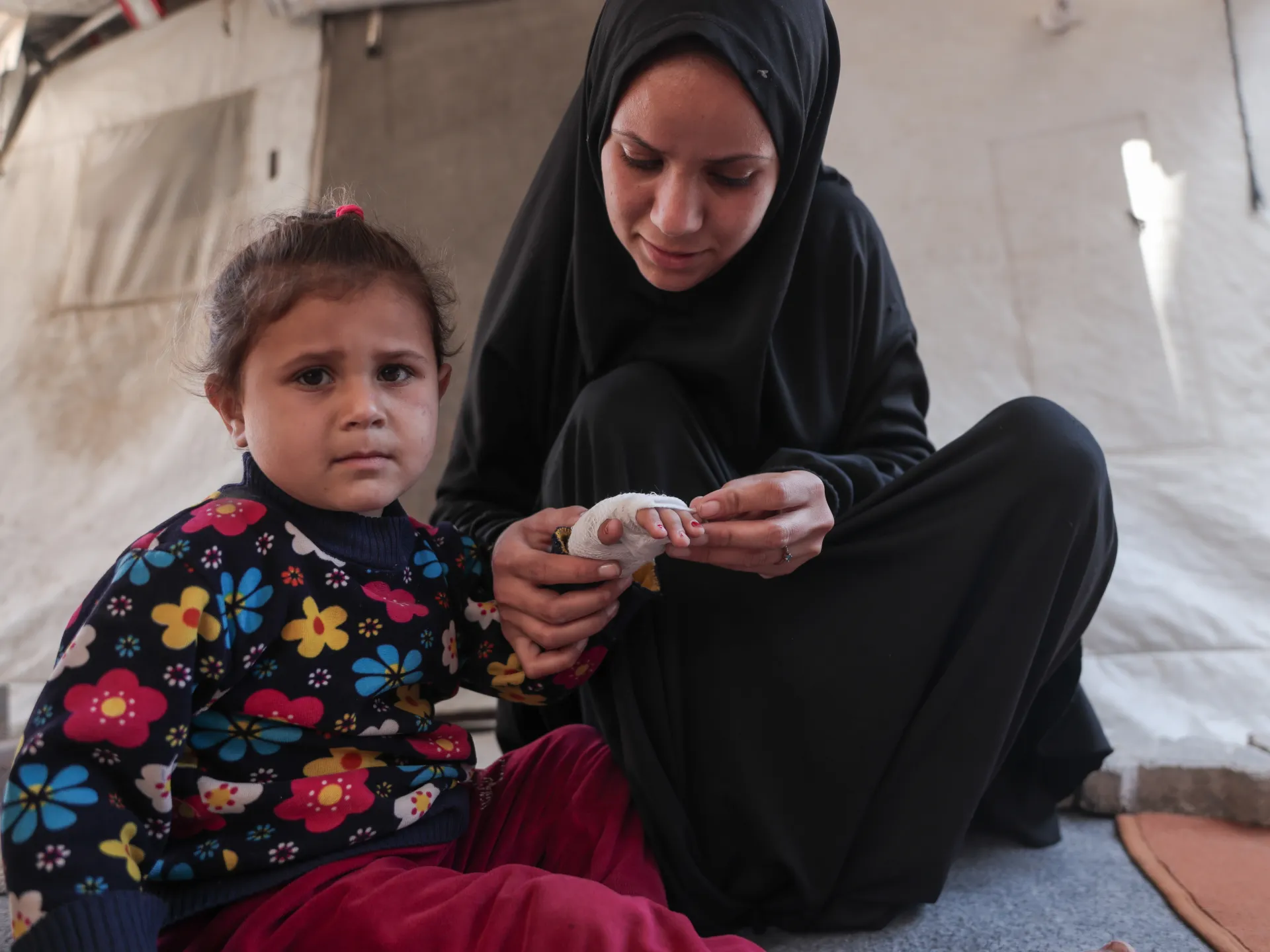
Hundreds of thousands of Palestinians living in makeshift tents across Gaza displacement camps are facing a severe rat infestation driven by accumulated rubble, destroyed sewage infrastructure, and unmanaged waste. Local health officials have characterised the resulting environment as a significant health hazard, with reports indicating that rodents are not merely scavenging but actively attacking residents.
Specific incidents highlight the physical danger posed by the crisis, including direct attacks on children and vulnerable demographics. Samah al-Dabla reported that her three-year-old daughter was bitten while sleeping, requiring hospital treatment at al-Shifa Hospital, while Basel al-Dahnoun, a diabetic patient with limited sensation, suffered a bite on his foot that necessitated urgent surgery due to infection risks. The Ministry of Health notes that diabetic patients and the elderly are particularly at risk, as they may not feel bites immediately, leading to severe complications.
Gaza Municipality officials state that the inability to manage the rodent population is exacerbated by an Israeli ban on importing pest-control materials. This restriction has prevented the use of effective rodenticides, including a specific poison previously utilised for control. Officials note that efforts to find alternative solutions have been unsuccessful, leaving families without access to the tools required to mitigate the infestation.
The crisis is compounded by the collapse of essential infrastructure and the sheer volume of waste. Dr Ayman Abu Rahma, director of preventive medicine at the Ministry of Health, attributes the spread to the destruction of sewage infrastructure and the presence of rubble containing decomposing bodies. With Gaza City's main landfill containing approximately 300,000 cubic metres of waste, the area has created a massive breeding ground for rodents in a densely populated region.
Residents warn that individual mitigation efforts are failing to contain the problem. Families report that cleaning rubble or bringing food from community kitchens often leads to more rats spreading into surrounding areas or contaminating supplies. Consequently, there is a growing consensus that an organised official effort is required to remove rubble and provide necessary pest control materials.
The situation is expected to deteriorate further with the arrival of the summer season, which residents say will worsen the crisis alongside the spread of insects and mosquitoes. Despite the beginning of a ceasefire in October, hundreds of thousands remain displaced with no sign of reconstruction, forcing them to manage these living conditions amidst the threat of disease transmission and direct physical harm.