US Terror Designation of Brazilian Gangs Sparks Sovereignty Concerns Ahead of Election
Critics argue the move to label PCC and CV as terrorist organisations serves political objectives rather than security needs, potentially disrupting police ties and financial systems.
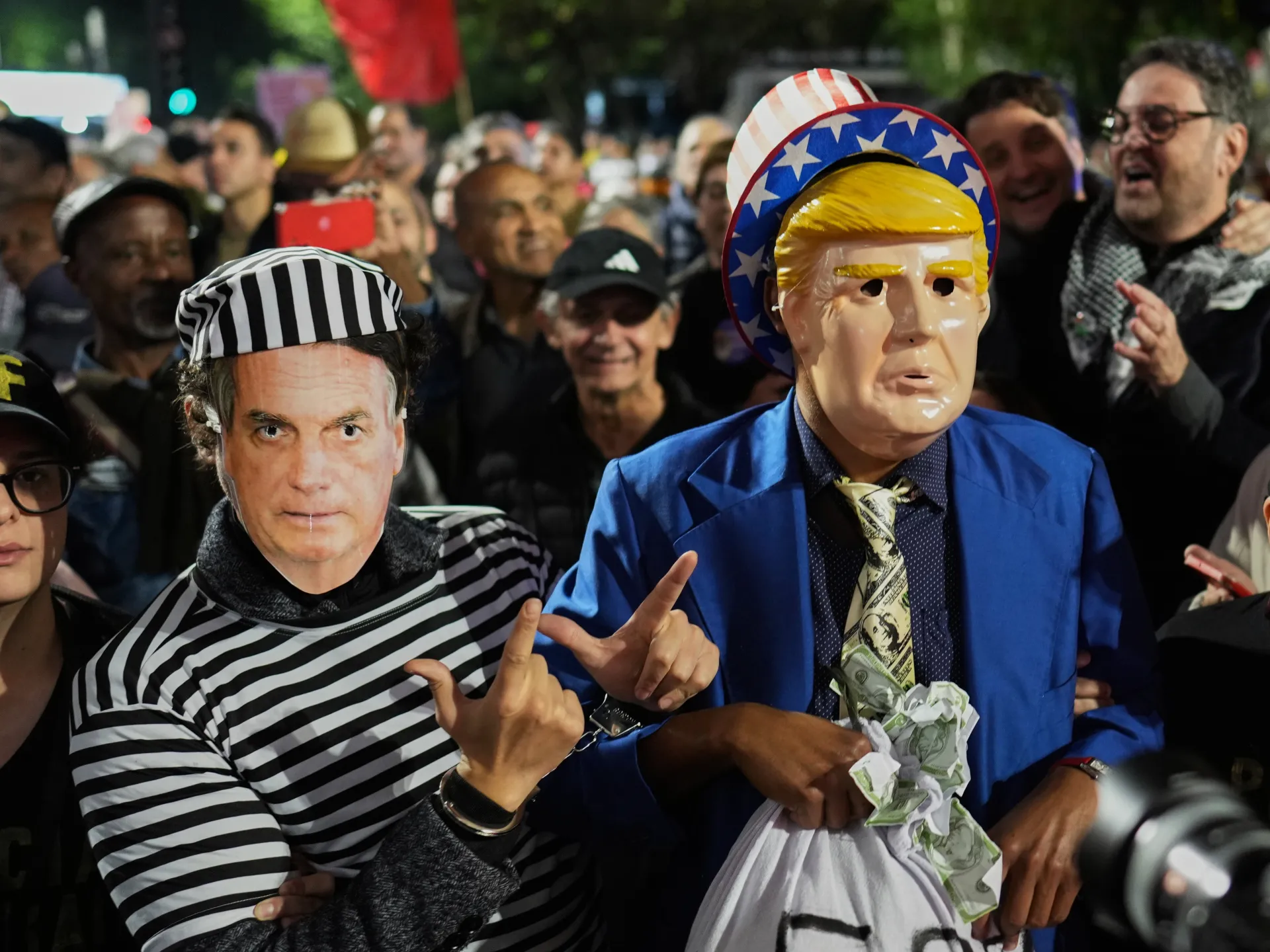
The United States has designated Brazil’s two largest criminal organisations, Primeiro Comando da Capital (PCC) and Comando Vermelho (CV), as terrorist groups, a decision that has drawn sharp criticism for its timing and potential impact on Brazilian sovereignty. The move, announced in 2026, is being framed by Washington and Brazil’s far right as a necessary response to the transnational reach of organised crime, yet analysts suggest it reflects deeper political manoeuvring ahead of Brazil’s October election.
The designation arrives amidst intense lobbying by the Bolsonaro family, who are seeking to align US policy with their domestic political agenda. Flavio Bolsonaro, who is challenging President Luiz Inacio Lula da Silva in the upcoming election, has actively pressed the Trump administration to classify the PCC and CV as terrorist organisations, portraying the current government as soft on crime. This effort coincides with a broader strategy by the Bolsonaro camp to enlist Washington’s support in their political struggle against Lula’s administration.
Eduardo Bolsonaro, Flavio’s brother, has also been central to these efforts, having lobbied for sanctions against Brazilian Supreme Court justices and tariffs on Brazil. He was recently sentenced to four years and two months in prison by Brazil’s Supreme Court for coercion related to that campaign. The timing of the US designation has led critics to view it as an attempt to reinforce a narrative that Lula is either aligned with criminal networks or unwilling to confront them, thereby creating a climate of suspicion that could be weaponised domestically.
Beyond the political implications, the designation poses significant operational risks for law enforcement and financial systems. Brazilian security officials have warned that treating these groups as terrorists could shift investigations from routine law enforcement channels to restricted national-security protocols, potentially complicating existing police cooperation with the US. Furthermore, the move intersects with US scrutiny of Brazil’s PIX instant payment system, raising concerns about increased compliance burdens for banks and potential disruptions to transaction flows if funds linked to the PCC or CV are traced through the platform.
The decision echoes historical patterns of US intervention in Latin America, where security rhetoric has often been used to justify political influence and ideological struggles. By unilaterally defining threats and exporting those definitions, Washington creates new avenues for political leverage, a dynamic that has historically challenged the sovereignty of nations in the region. Critics argue that while the PCC and CV are dangerous criminal enterprises, recasting them as terrorist organisations obscures the nature of the threat and prioritises geopolitical interests over effective law enforcement.