Pope Leo XIV concludes African tour with stark warnings on governance and inequality
Leaders in Cameroon, Angola and Equatorial Guinea face renewed scrutiny from the Vatican over poverty, corruption and the widening gap between the elite and the majority.
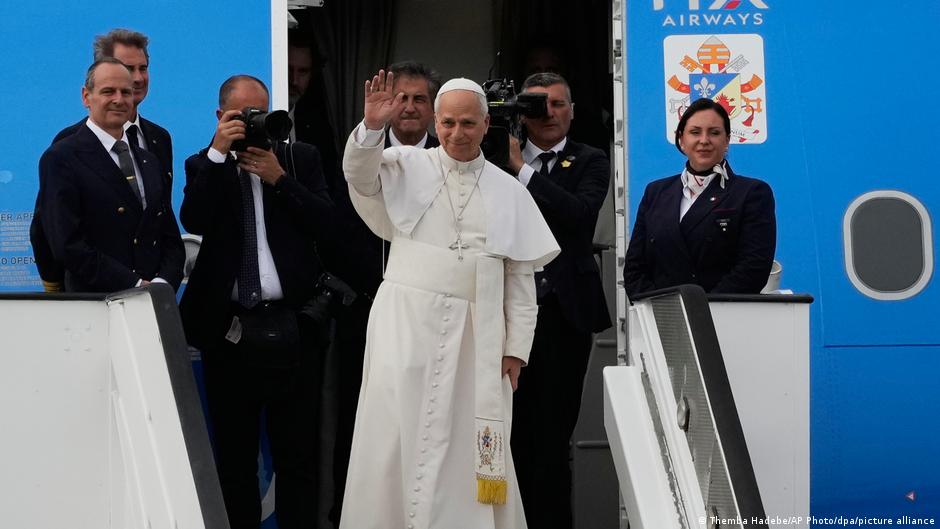
Pope Leo XIV has concluded a ten-day visit to four African nations—Algeria, Cameroon, Angola and Equatorial Guinea—urging regional leaders to prioritise people over profit. During the tour, the pontiff condemned war, corruption and inequality, calling for a governance model that places the needs of the population above elite interests. He emphasised the necessity of interfaith dialogue and the respect of human rights across the continent.
In Cameroon, the message was received with attention from civil society groups, including the Policemen's Wives Association, who view the call for peace as a roadmap for future social cohesion. The Pope delivered direct criticism to long-serving leaders in the country, specifically highlighting the widening gap between the wealthy elite and the impoverished majority under the administration of President Paul Biya.
The tour also saw the Pope visiting the Great Mosque of Algiers, where he emphasised mutual respect between Muslims and Christians. He noted that 20 per cent of the world's Catholics reside on the African continent, a figure that is growing. This engagement in a predominantly Muslim nation underscores a strategy to consolidate the Catholic Church's presence while promoting dialogue between different communities.
In Angola, the focus shifted to the stark contrast between national wealth and widespread poverty. Despite the country's rich oil and diamond resources, half of the population is considered poor, prompting widespread demonstrations and strikes against Prime Minister Joao Lourenco. The Pope's words here echoed those of his predecessor, Pope Francis, who visited Mozambique in 2019 with a similar thematic focus on corruption and inequality.
Equatorial Guinea presented another focal point for the pontiff's critique. The Pope admonished President Teodoro Obiang Nguema, Africa's longest-serving head of state since 1979, stating that the situation in the country had not changed in recent decades. He criticised the elite that profits from the nation's oil wealth, noting that the gap between a small minority and the overwhelming majority has widened dramatically.
Analysts observe a distinct shift in Pope Leo XIV's approach compared to previous pontiffs, characterised by greater openness towards engaging directly with world leaders and heads of state. This positioning places the Catholic Church as a moral voice against injustice rather than just a spiritual entity, challenging long-serving leaders to address poverty and elite exploitation.