Palau reef project yields nearly 3,000 specimens from understudied depths
Structures placed on Pacific reefs from 2016 to 2018 are giving researchers a broader view of deep reef life, though most specimens remain unidentified.
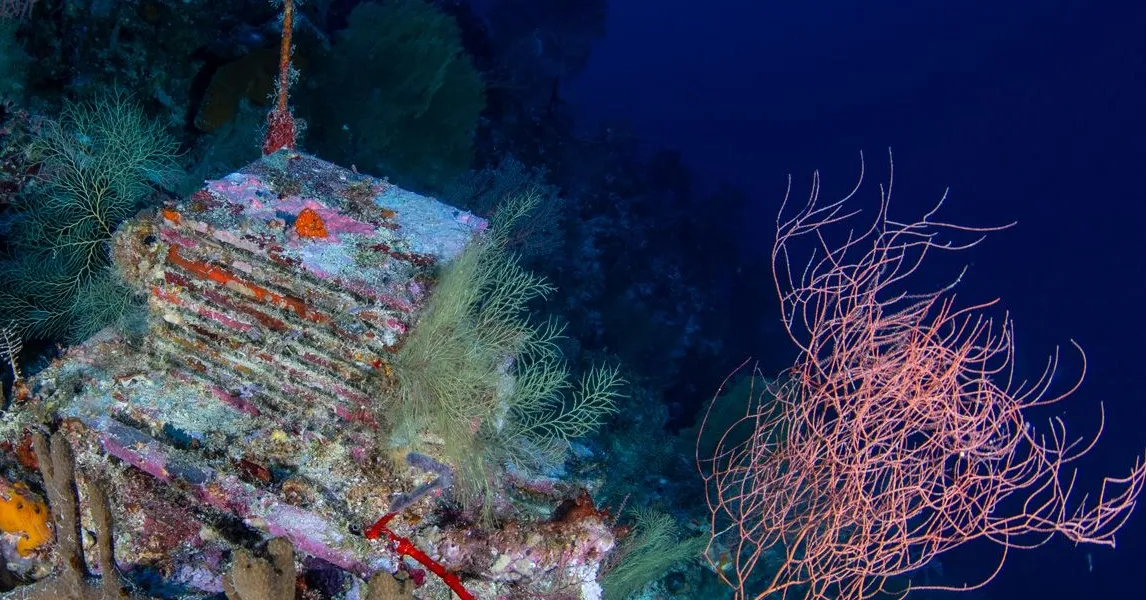
Researchers have retrieved autonomous monitoring structures from reefs around Palau, recovering nearly 3,000 specimens from ecosystems that remain poorly understood. The structures were deployed from 2016 to 2018 at depths of about 10, 50 and 100 metres.
The project, led by Luiz Rocha, a zoologist and curator at the California Academy of Sciences, also placed structures in Guam, the Marshall Islands and French Polynesia. The devices use standardised stacks of plates that organisms colonise over time, allowing researchers to collect a wider sample than brief technical dives can provide.
Researchers are documenting the organisms, taking tissue for DNA analysis and examining how species live alongside one another. At the time of reporting, only about 3 per cent of the samples had been identified to species level. Several specimens may be new to science, but further identification and genetic testing are needed.
The work focuses on mesophotic reefs, generally found about 30 to 150 metres below the surface. Light and temperature decline with depth, and researchers have limited baseline information about the species, food webs and ecological relationships in these environments.
Whether deep reefs provide a refuge for species from shallower reefs remains an open question. The collected specimens and observations are an early step towards understanding these ecosystems, rather than a resolution of the broader questions about how they function or respond to climate change.