FDM printing turns digital designs into layered plastic parts
Engadget’s explainer outlines how fused deposition modelling works, where it is used and the trade-offs in detail and strength.
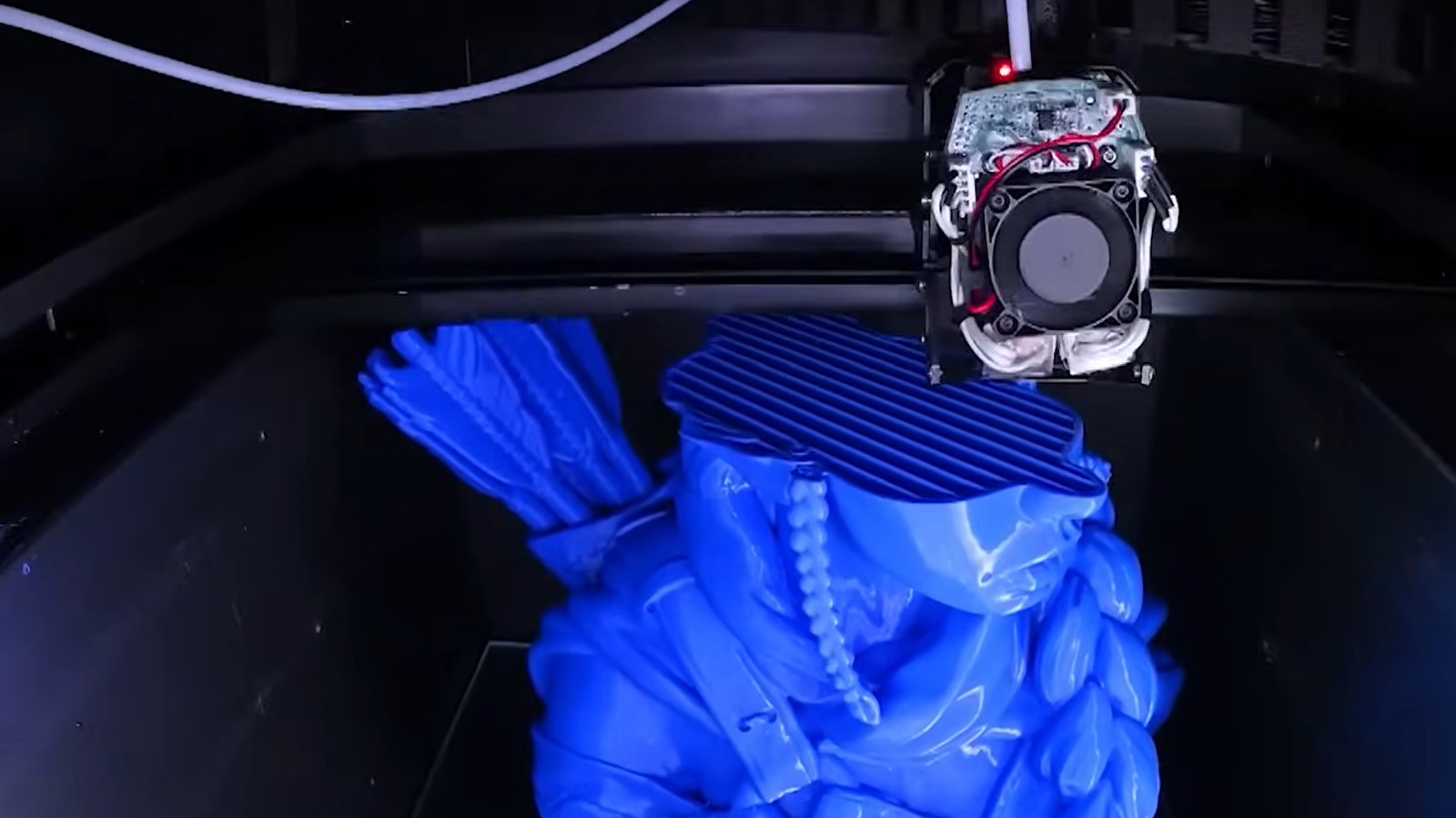
Fused deposition modelling, or FDM, builds objects by feeding thermoplastic filament through a heated nozzle and laying it down in successive layers. Engadget’s explainer says printers follow paths derived from a computer-aided design file, with print time varying according to the machine, settings and model.
Common materials include PLA, PETG and ABS. Filament choice affects the process: some materials need higher temperatures, specialised nozzles or ventilation, so the printer and workspace must be suitable.
FDM is used for prototyping and parts production. Relatively inexpensive equipment and materials can make it accessible, while print times range from minutes to hours for smaller jobs, according to Engadget.
The trade-offs include limited fine detail and warping as filament cools. Prints can also be weaker under pressure along the layer direction, particularly when the design uses infill to reduce material and print time.
Engadget names Bambu Lab, Prusa Research and Ultimaker among FDM printer makers. It contrasts FDM with resin-based SLA and DLP, which can produce finer details, and powder-based SLS, which can make sturdy, support-free structures.