Pakistan mediates US-Iran ceasefire extension amid domestic constitutional reforms
The 27th Constitutional Amendment has entrenched military authority in Islamabad while Pakistan positions itself as a critical diplomatic bridge between Washington and Tehran
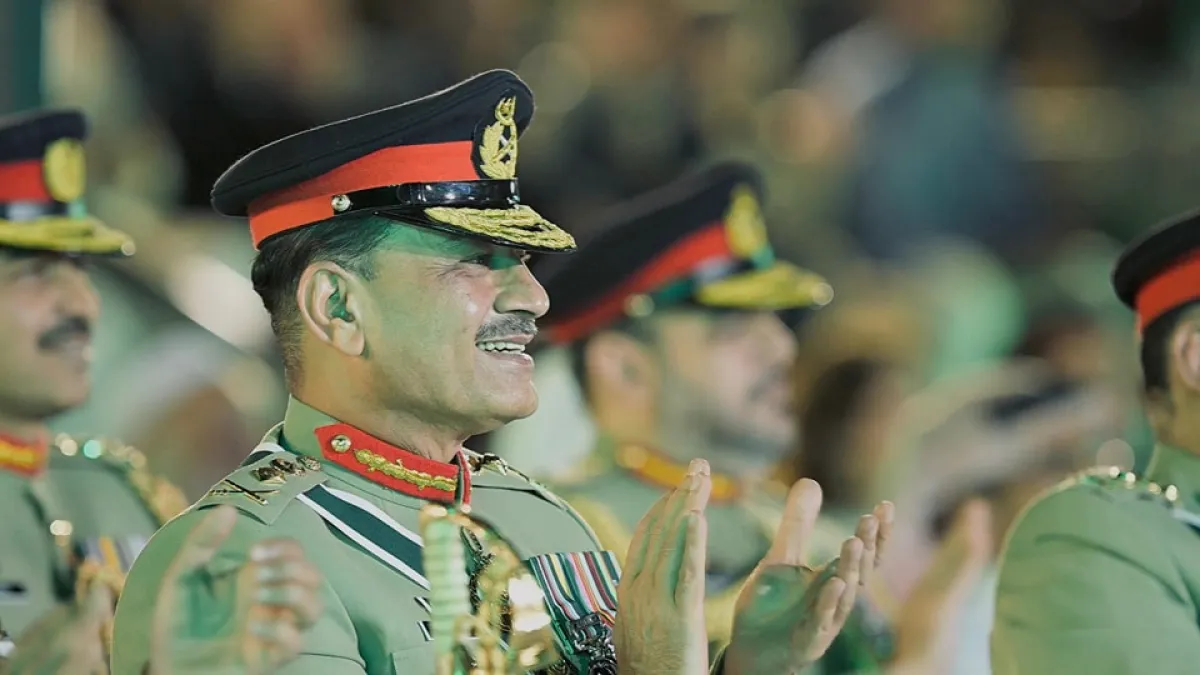
US President Donald Trump has announced the extension of a two-week ceasefire between the United States and Iran, explicitly crediting Pakistan's leadership for urging the decision. In a statement on Truth Social, Trump cited the "seriously fractured" state of the Iranian government as a primary driver for the extension, noting that the request came directly from Field Marshal Asim Munir and Prime Minister Shehbaz Sharif. This public endorsement marks a significant diplomatic milestone for Pakistan, reinforcing its role as a mediator in high-stakes regional conflicts.
The mediation effort culminated in direct talks held in Islamabad and Tehran between April 11 and April 14. During these sessions, Munir facilitated dialogue between US Vice President JD Vance and Iranian Parliament Speaker Mohammad Bagher Ghalibaf. The engagement involved high-level backchannel negotiations with US Special Envoy Steve Witkoff and Iranian Foreign Minister Abbas Araghchi, aiming to bridge the widening gap between Washington and Tehran's positions. Although initial discussions in Islamabad did not yield an immediate breakthrough, the sustained diplomatic pressure helped secure the truce extension.
This diplomatic surge coincides with a profound restructuring of Pakistan's internal governance through the 27th Constitutional Amendment, passed in November 2025. The legislation established the permanent role of Chief of Defence Forces (CDF), granting Munir a five-year term that extends his tenure to at least 2030. Furthermore, the amendment alters dismissal procedures, requiring a two-thirds parliamentary majority to remove the CDF, a threshold significantly higher than the simple majority needed to dismiss the Prime Minister.
Critics within Pakistan argue that these constitutional changes concentrate excessive authority in the military, potentially undermining democratic institutions. A retired three-star general warned that external validation of Munir's power may mask the deterioration of domestic governance, noting that the new rules effectively leave the decision of how long Munir remains in command to himself. Opposition parties have expressed sharp concern over the erosion of parliamentary oversight in the face of rising global recognition for the military chief.
Pakistan's strategic positioning has also shifted towards closer alignment with Gulf nations while maintaining engagement with Washington and Tehran. This multi-pronged approach was solidified when Munir, alongside Sharif, signed a Strategic Mutual Defence Agreement with Saudi Arabia in September 2025. The pact commits both nations to treat an attack on one as an attack on the other, marking the first such agreement for Pakistan and reflecting a broader effort to secure regional stability amidst complex geopolitical pressures.
The consolidation of Munir's influence follows the four-day war with India in May 2025, which elevated his profile on the global stage. Analysts suggest that the conflict, combined with the subsequent constitutional reforms, has created a new paradigm where military leadership is viewed as central to national security and foreign policy. As Pakistan navigates these changes, the balance between external diplomatic success and internal institutional health remains a critical point of scrutiny.