Niger’s junta faces scrutiny over security failures and economic disparity three years on
While youth advisory mechanisms have expanded, jihadist casualties in the southwest have surged, and critics cite persistent infrastructure deficits.
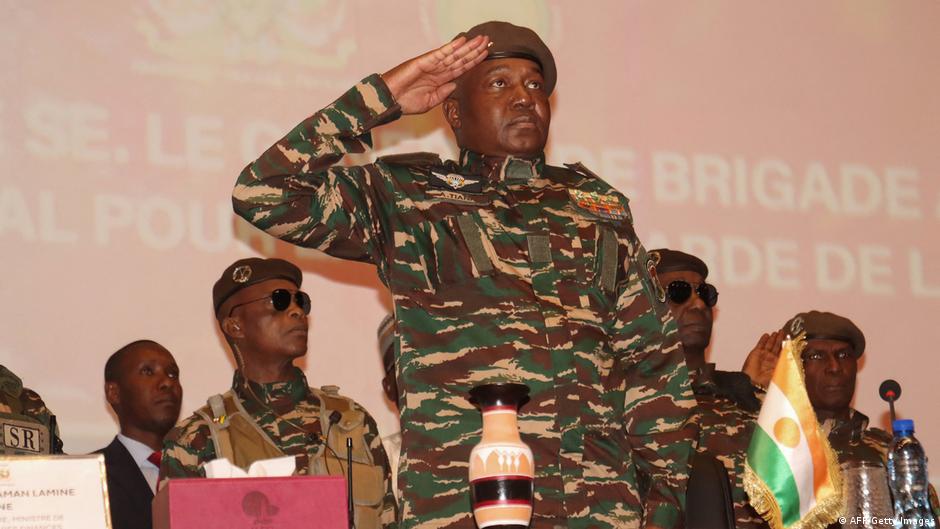
Three years after General Abdourahamane Tiani seized power in July 2023, Niger’s transitional government is grappling with a stark divergence between its initial security mandates and the deteriorating reality on the ground. Although the junta initially justified its intervention by citing inadequate protection against jihadist threats despite international support, the security landscape in the Tillabery region has significantly worsened. According to the Armed Conflict Location & Event Data Project (ACLED), the area remains the primary theatre for clashes between rival Islamist factions, Jama'at Nusrat al-Islam wal-Muslimin (JNIM) and the Islamic State in the Sahel Province (ISSP).
The human cost of this instability has escalated sharply. In 2025, nearly 1,200 deaths were recorded in Tillabery due to inter-group violence. State media reported that a major engagement on July 17 resulted in the deaths of at least 16 soldiers and 15 terrorists. Heni Nsaibia, a staff member at ACLED, noted that the death toll in the region is now the highest in the central Sahel, underscoring the scale of the humanitarian crisis that has forced thousands to flee their villages and closed local schools.
Beyond the security vacuum, the government faces intense criticism regarding economic governance and public services. Tahirou Garka, spokesperson for the G25 movement advocating for a return to constitutional order, argued that the military administration has failed economically and socially. He cited widespread shortages of drinking water, electricity, and fuel as evidence of systemic neglect. This sentiment is echoed by anonymous residents in Tera, who report that weekly markets have ceased functioning and that displaced populations are living in makeshift shelters without basic utilities.
Conversely, some segments of the population report tangible improvements in social inclusion and household economics. An advisory commission has been established to integrate youth into decision-making bodies, a shift highlighted by young participants Fadila and Abdurahmane, who noted that political exclusion has diminished. Furthermore, Hamani Oumarou of the Niamey-based social sciences research institute LASDEL contended that socioeconomic conditions have improved for low-income households, who now retain more disposable income for food, despite seasonal price spikes driven by food imports.
On the diplomatic front, Niger remains a founding member of the Alliance of Sahelian States (AES), having withdrawn from the Economic Community of West African States (ECOWAS) to deepen ties with Russia. However, experts see potential for diplomatic realignment. Pape Ibrahima Kane, an international organisations expert, pointed to the appointment of Guinean Prime Minister Lansana Kouyate as ECOWAS chief negotiator as a promising indicator for renewed dialogue. Given Niger’s reliance on electricity from Nigeria and Benin, as well as port access to Benin, Kane suggests that economic pragmatism may drive a rapprochement between the AES and its former West African neighbours.