Netanyahu Rejects Trump’s Gaza Peace Plan, Exposing Diplomatic Friction
The rejection of the proposed peace framework has highlighted underlying tensions between the two leaders, with immediate scrutiny falling on the consequences for Palestinians and the stability of the US-Israel partnership.
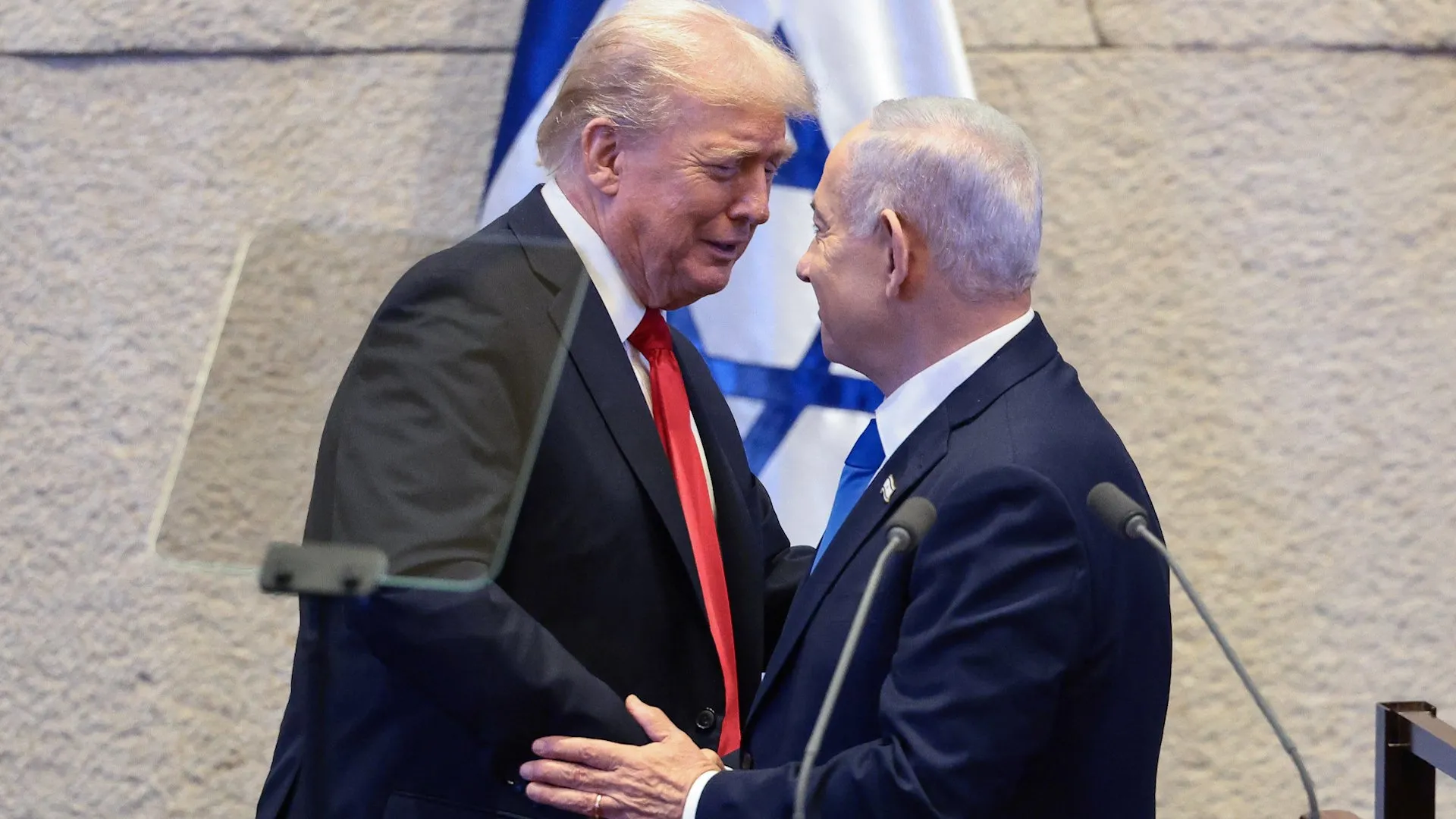
Israeli Prime Minister Benjamin Netanyahu has formally rejected a Gaza peace plan brokered by Donald Trump, a move that has laid bare significant diplomatic tensions between the two leaders. The decision marks a sharp divergence in policy approaches, with the rejection serving as a focal point for broader questions regarding the future of the region and the nature of the alliance between Washington and Jerusalem.
The specific terms and details of the rejected peace plan remain undisclosed in available reports. However, the act of refusal itself has triggered immediate analysis regarding the political fallout for Netanyahu. Observers are closely monitoring how this stance may impact his domestic standing and the broader strategic objectives of the Israeli government in the wake of the proposal’s dismissal.
According to reporting from Al Jazeera Global News, the rejection has also raised urgent questions about the potential consequences for Palestinians. The absence of clarity on the plan’s contents leaves the humanitarian and political implications for the Palestinian population in a state of uncertainty, with the diplomatic rift potentially complicating any future negotiations or aid efforts.
The incident underscores a period of friction within the US-Israel relationship. While the exact extent of the diplomatic tensions is not fully detailed, the public nature of the rejection suggests a strain in the working relationship between the two leaders. This development aligns with broader observations of irritation and disagreement in their interactions, highlighting the complexities of maintaining a unified front on Middle Eastern policy.
Unrelated to this diplomatic dispute, recent reports have noted other policy initiatives involving Trump, including a secret plane swap in Turkey concerning an Iran threat and a rejected executive order regarding the MMR vaccine. These events, while part of the broader political landscape, do not directly inform the current dispute over the Gaza peace plan but illustrate the volatile nature of the current administration’s policy environment.
As the situation develops, the international community will be watching to see how Netanyahu’s rejection influences subsequent diplomatic efforts. The immediate focus remains on the political ramifications for the Israeli Prime Minister and the evolving dynamics of US-Israel relations as both sides navigate the aftermath of the failed proposal.