Trade barriers mount as Japan and China target Indian agricultural exports
New Delhi faces scrutiny over food safety standards as major markets suspend shipments of mangoes and rice, highlighting infrastructure deficits compared to global competitors.
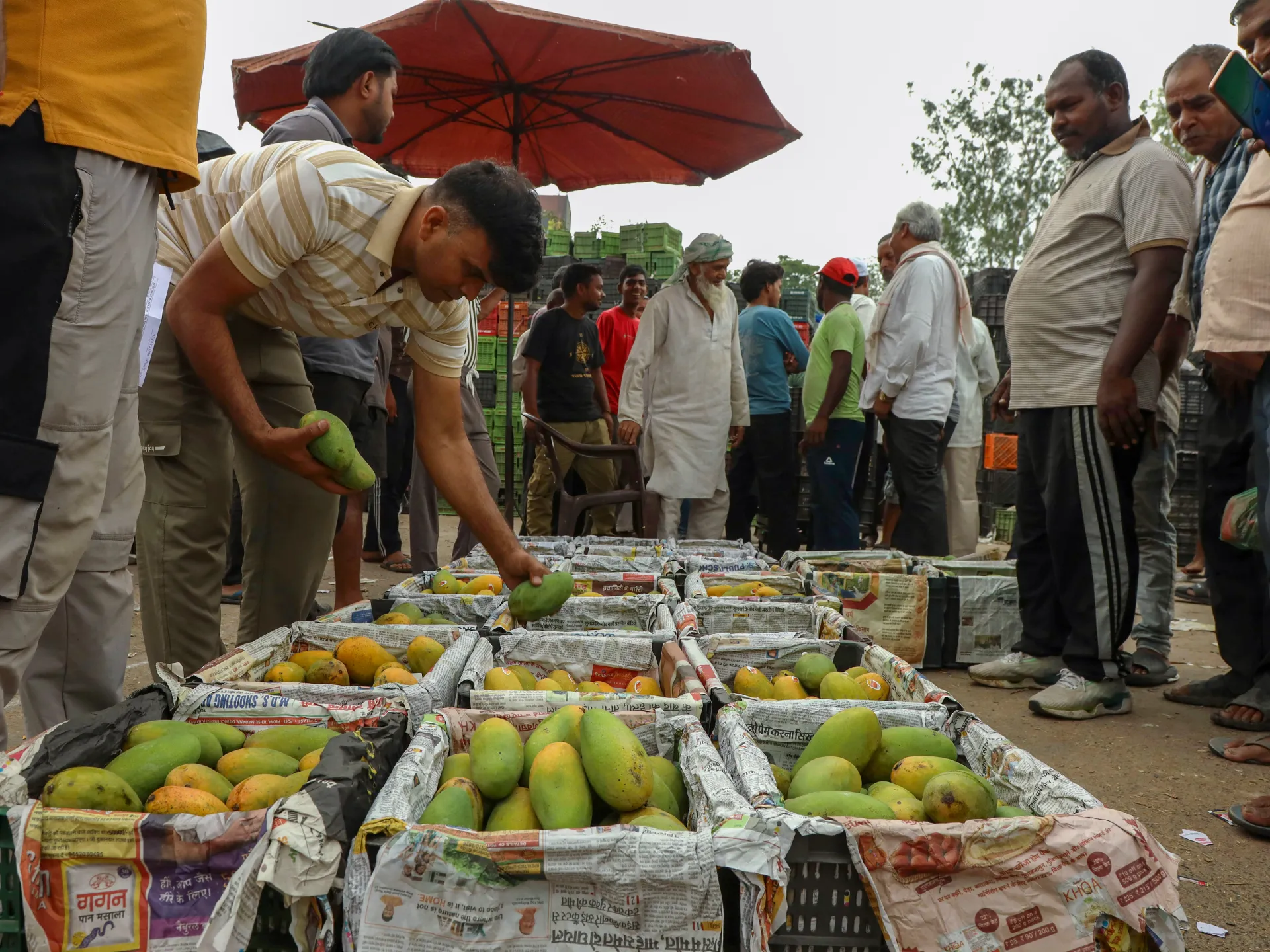
India’s agricultural export sector is confronting a series of regulatory disruptions across key international markets, exposing significant deficiencies in supply chain traceability and testing infrastructure. In March 2026, Japan suspended imports of six Indian mango varieties, including Alphonso and Kesar, following concerns raised by quarantine inspectors regarding fumigation and certification procedures at a Vapour Heat Treatment facility in Lucknow. The suspension, formalised by a letter from Yokohama’s plant protection authorities on March 31, bars shipments bearing inspection certificates issued on or after March 25 until operational standards are verified.
This halt affects the peak export window of April through June and marks the first major disruption in the India-Japan mango trade in nearly two decades. The decision impacts approximately $1.54 million in fresh and processed mango products imported between 2025 and 2026. While the monetary value is modest, the Japanese market serves as a critical quality benchmark for global trade, with premium pricing signalling safety standards to other international buyers.
Simultaneously, China revoked import licences for three Indian rice exporters in April 2026 after customs authorities detected traces of genetically modified organisms. The move contradicts official Indian claims that domestic paddy fields are GMO-free and that shipments carried appropriate certification prior to departure. Rice constitutes more than 20 percent of India’s agricultural exports, with $12.5 billion shipped in the 2025-26 financial year, making the revocation a significant blow to the sector.
Other markets have also tightened controls. Hong Kong suspended several spice products over pesticide residue concerns, while the European Union increased inspection frequencies for Indian cumin to 30 percent in January 2025, following a high volume of alerts in the previous year. These actions collectively highlight a growing divergence between India’s production capacity and the rigorous traceability and safety standards demanded by premium markets.
Experts point to fragmented supply chains and inadequate testing facilities as root causes. Agricultural scientist SK Singh noted that India’s laboratories lack the capacity for the protein analysis required for GMO verification, with only a handful of facilities in New Delhi and Hyderabad capable of conducting such tests. Food safety scientist Ananya Bose identified that pesticide records often disappear after the first sale from farmer to aggregator, undermining the digital traceability required by international regulators.
In response, the Agricultural and Processed Food Products Export Development Authority published a list of approved laboratories for GMO testing on June 8, 2026. Government official Ujjwal Kumar Ghosh stated that funds have been allocated to upgrade laboratories and introduce risk-based inspections, though no specific timeline was provided. Despite these measures, India holds only 2.4 percent of global agri-exports, with processed exports at 17 percent, lagging behind competitors such as China and the United States.