Nato confirms no legal basis for suspending Spain despite Pentagon reports
Madrid dismisses claims of punishment over refusal to host strikes; London warns against deeper entanglement in Iran conflict
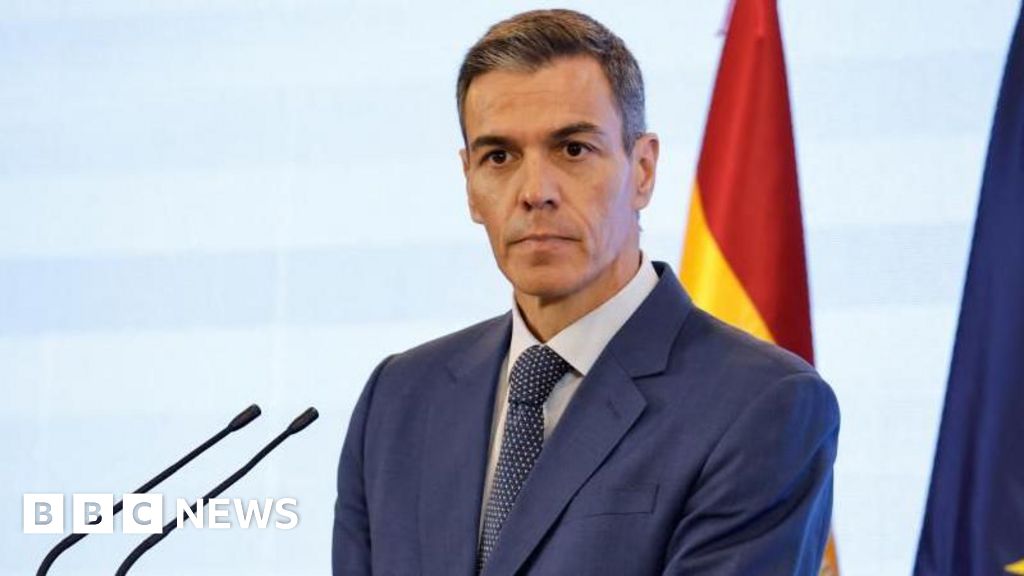
The North Atlantic Treaty Organisation has confirmed that its founding charter contains no provisions for suspending or expelling member states, effectively ruling out the prospect of the United States removing Spain from the alliance. This clarification arrives following reports that an internal Pentagon email outlined potential measures to penalise allies perceived as failing to support the American campaign against Iran. While the email reportedly suggested reviewing US diplomatic backing for the United Kingdom's claim to the Falkland Islands or excluding difficult nations from key alliance positions, Nato officials state the treaty does not foresee any mechanism for membership suspension or expulsion.
Spain's Prime Minister, Pedro Sanchez, has dismissed the allegations as a misunderstanding of diplomatic protocol. Sanchez emphasised that Madrid operates based on official US government positions rather than internal communications, stating that the nation supports full cooperation with allies but strictly within the framework of international law. The Spanish leadership maintains that their refusal to allow the use of domestic air bases for attacks on Iran is a sovereign decision made in accordance with established legal frameworks, not a breach of alliance obligations that warrants expulsion.
The controversy stems from a divergence in approach among European partners regarding the conflict in the Strait of Hormuz. While the United Kingdom has permitted the use of British bases for strikes targeting Iranian sites, Spain has declined to grant similar access for its territory. The US maintains two military installations in Spain, Naval Station Rota and Morón Air Base, yet the refusal to utilise these for offensive operations has led to internal deliberations within the Pentagon regarding how to ensure allies are not a "paper tiger".
President Donald Trump has previously characterised the relationship with Nato as a "one-way street", arguing that the United States protects allies who contribute little in return. In response to the reported lack of cooperation, Pentagon Press Secretary Kingsley Wilson stated that the War Department would ensure the President has credible options to compel allies to do their part. However, Wilson offered no further comment on specific internal deliberations, leaving the details of the suggested diplomatic leverage regarding the Falkland Islands claim unconfirmed.
Prime Minister Keir Starmer of the United Kingdom reiterated that deeper involvement in the Iran conflict or the current blockade of Iranian ports is not in London's interest. Despite allowing US use of British bases, Starmer has insisted that the UK would be willing to support keeping the Strait of Hormuz open following a lasting ceasefire or the end of the war. This stance contrasts with the more aggressive posture suggested by the internal Pentagon correspondence, which viewed access, basing, and overflight rights as merely the absolute baseline for Nato membership.
Global oil markets have reacted to reports of renewed military escalation in the region, with Brent crude futures rising amid fears of restricted shipping through the Strait of Hormuz. As diplomatic tensions rise over the interpretation of alliance obligations, the focus remains on whether the internal suggestions of punishment will translate into policy or remain confined to internal deliberations within the US War Department.