Military exchanges in the Strait of Hormuz strain fragile ceasefire as Iran formalises shipping restrictions
Washington confirms retaliatory strikes against Iranian facilities after intercepting attacks on Navy vessels, while Tehran reports defensive fire and establishes a new agency to tax transiting ships.
The fragile ceasefire between the United States and Iran, which has held since 8 April, has been severely strained following a military exchange on Thursday in the Strait of Hormuz. US Central Command confirmed that American forces intercepted unprovoked Iranian attacks on three Navy ships and subsequently conducted retaliatory strikes against Iranian military facilities responsible for the aggression. The US military stated that no American vessels were hit during the engagement, emphasising that the action was taken in self-defence while maintaining a posture ready to protect American forces.
Conversely, Iranian state media reported that its armed forces exchanged fire with the enemy on Qeshm Island, the largest island in the Persian Gulf. Additional reports from semiofficial Iranian news agencies Fars and Tasnim indicated loud noises and defensive fire in western Tehran, as well as explosions near Bandar Abbas, though the specific sources for these blasts were not identified. These conflicting accounts highlight the volatility of the situation as both nations accuse one another of violating the truce.
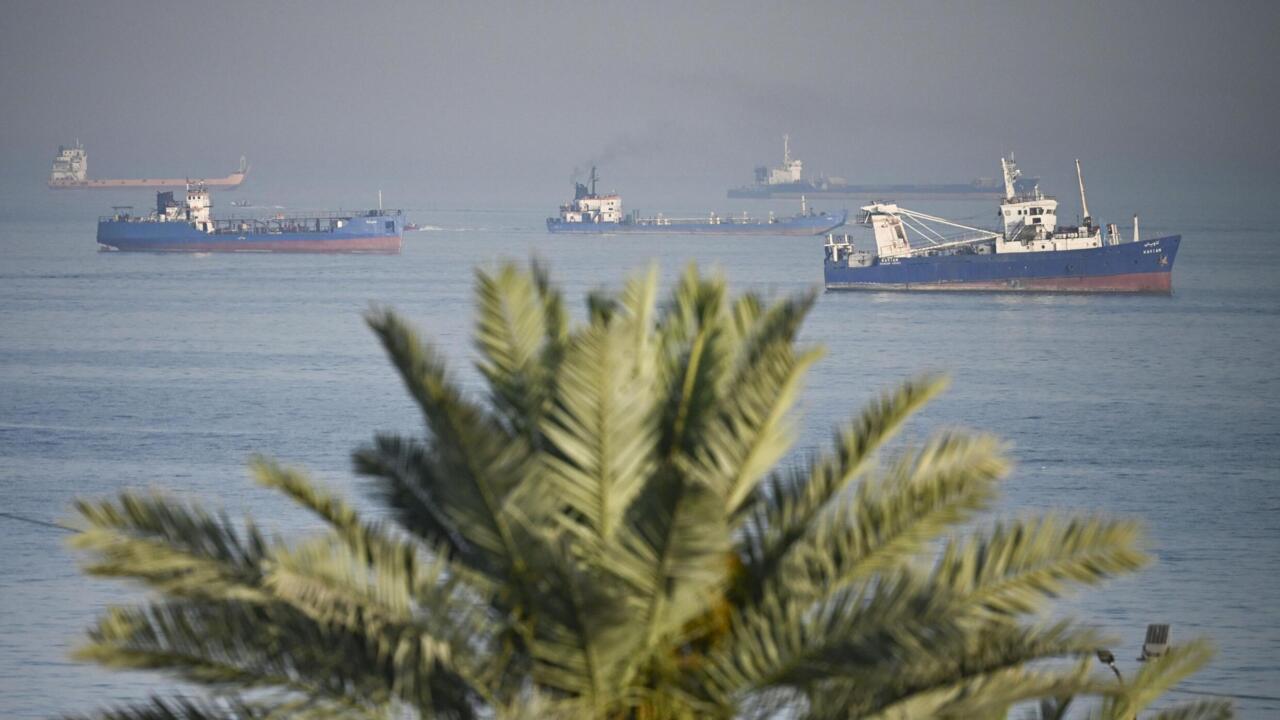
Compounding the military tension, Iran has moved to formalise its control over the critical waterway by establishing a new government agency, the Persian Gulf Strait Authority. This body is tasked with vetting and taxing vessels seeking passage through the strait, effectively institutionalising a blockade that has already caused hundreds of commercial ships to be bottled up in the Gulf. Maritime law experts warn that such demands to vet or tax ships may violate international law, raising significant concerns for global trade and freedom of navigation.
Diplomatic efforts to resolve the conflict remain stalled despite ongoing mediation by Pakistan. Iranian officials have stated they are reviewing proposals from the US but have not yet reached a conclusion, with no response given to the American side. Meanwhile, US President Donald Trump has issued stark warnings, stating that if a peace deal is not signed quickly, future retaliation will be "a lot harder, and a lot more violent." This rhetoric underscores the deepening impasse as direct negotiations have previously failed to secure a permanent end to the conflict.
The regional instability coincides with a high-profile diplomatic event, as King Charles proceeds with a four-day state visit to the United States. Buckingham Palace has confirmed the trip will continue as planned, including a private meeting with President Trump, aiming to strengthen Anglo-American relations despite shared differences regarding the ongoing war. This visit occurs against a backdrop of disrupted oil and gas shipments, which have sent fuel prices skyrocketing and rattled the global economy.
Saudi Arabia has refused to support a US-led effort to reopen the strait by force, with officials stating the kingdom would not be involved in attacks related to the initiative. The US and its Gulf allies are pushing for a UN Security Council resolution to condemn Iran's control of the strait, though a prior resolution was vetoed by Russia and China. As the situation remains fluid, the focus remains on whether the current ceasefire can be extended or if the conflict will escalate further.