Middle East Conflict Disrupts China's Export-Led Manufacturing Sector
While the nation maintains resilience in electric vehicle production, escalating hostilities in the Middle East are choking vital trade routes and inflating production expenses for traditional manufacturers.
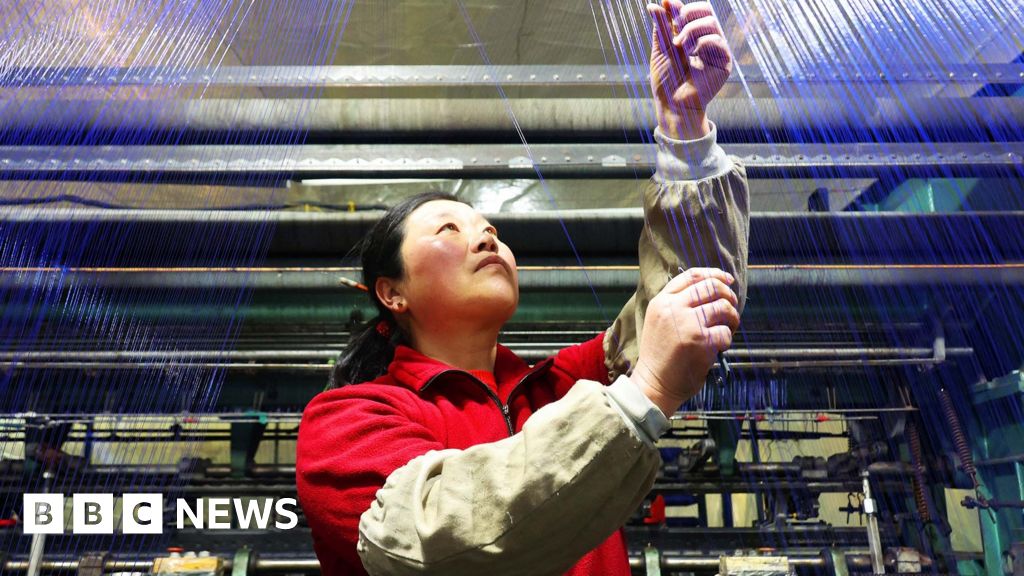
Escalating conflict in the Middle East is exerting significant pressure on China's export-driven economy, resulting in a decline in factory orders and heightened job insecurity for the workforce. Although the nation previously demonstrated resilience against tariff measures, the current geopolitical instability is now inflicting fresh economic damage through disrupted supply chains and soaring operational costs.
Production expenses have risen by approximately 20 per cent as higher oil prices impact the availability of petrochemicals required for manufacturing. This inflationary pressure is particularly acute in major textile hubs, where traders report that customers are increasingly refusing to absorb these additional costs, leading to stalled shipments and accumulating inventory in warehouses.
The disruption stems largely from the war choking the Strait of Hormuz, a crucial shipping corridor that facilitates trade between China and its Middle Eastern partners. Consequently, businesses are finding it difficult to execute shipments to regional clients, with some traders noting that they have almost ceased commercial operations with customers in the region due to the ongoing hostilities.
Despite these headwinds, specific sectors remain insulated from the worst effects of the fuel crisis. China's strategic lead in renewable energy and electric vehicles has provided a buffer, with manufacturers continuing to export significant volumes of these goods even as traditional trade routes face obstruction.
However, the benefits of this technological edge are not reaching the broader manufacturing base. In industrial provinces such as Guangdong, workers in backstreets and rural areas express frustration over stagnant wages and uncertainty, with many seeking temporary employment at low hourly rates to support their families amidst the economic slowdown.
While Beijing continues to call for a ceasefire and engages diplomatically with regional leaders, the immediate reality for the domestic economy remains one of adjustment. The conflict underscores the vulnerability of an economy heavily reliant on exports, even as the government attempts to balance diplomatic commitments with domestic economic stability.