Local sourcing model expands African aid reach as Ukraine initiative seeks broader asset release
The 'Food from Ukraine' programme, which sources over 80 per cent of aid domestically via the RIDNE consortium, has launched a new distribution hub in Accra to supply nations across the continent.
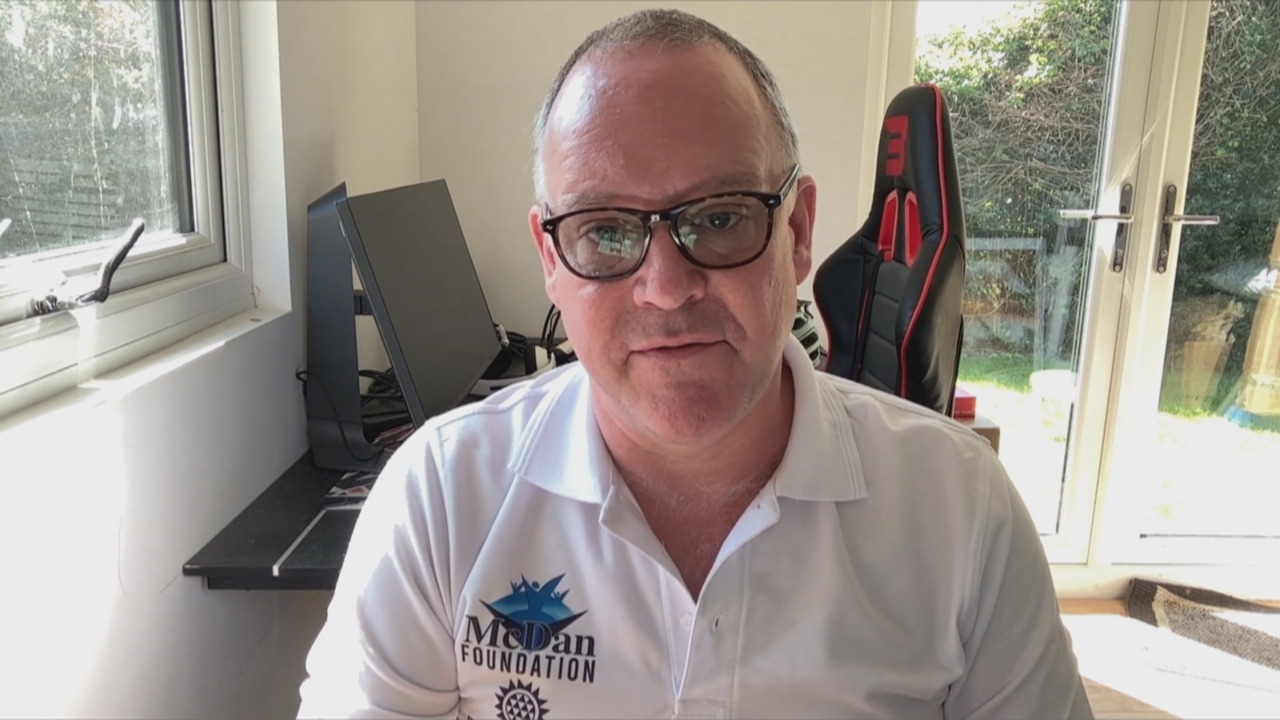
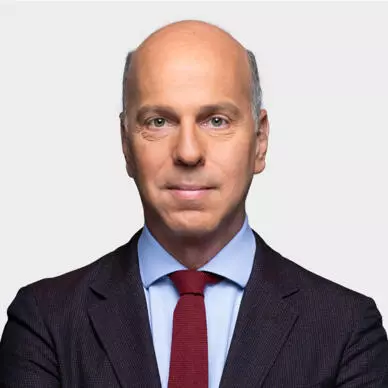
Mike Penrose, special adviser to the Ukrainian government on the 'Food from Ukraine' humanitarian programme, outlined the strategic expansion of a local sourcing model during an interview with FRANCE 24. The initiative, designed to increase the value of distributed aid in an era of diminishing funding, utilises the RIDNE consortium to source food directly from Ukrainian producers rather than relying on large agro-industrial exports.
According to Penrose, this approach has successfully ensured that over 80 per cent of all food aid delivered by agencies in Ukraine is now sourced domestically. By allowing small to medium-sized producers to trade at scale, the programme enables vulnerable populations to benefit economically from the aid delivery, countering the economic shock of the ongoing conflict.
The operational model established in Ukraine has since been adapted for deployment in Africa. A regional food distribution hub was recently launched in Accra, Ghana, to facilitate the supply of food to countries including Sudan, Somalia, the Sahel, and the Democratic Republic of Congo. Penrose noted that the initiative works equally well in these regions, directing resources to producers who need support and ensuring distribution reaches the most dependent communities.
In discussing the efficacy of this approach against existing frameworks, Penrose argued that the 'Food from Ukraine' model offers superior value retention compared to the UN's World Food Programme and major NGOs. He emphasised that by taking people out of a loop of vulnerability, the programme maximises the utility of every dollar spent, a critical factor as funding from the US and Europe faces cuts while needs increase.
The interview also addressed the contentious dispute regarding Roman Abramovich's frozen assets, specifically the £2.35 billion derived from the sale of Chelsea Football Club. Penrose challenged the British government's stance that these funds can only be used for humanitarian purposes within Ukraine, stating that limiting the scope to a single geographic boundary is ineffective given the global impact of modern warfare.
Advocating for a shift in policy, Penrose called for the political courage to unfreeze the assets and direct them toward a broader global humanitarian foundation. He contended that breaking this deadlock would ensure the money supports worldwide crisis relief, benefiting both donor nations and recipient states far beyond the borders of Ukraine.