Legal clock ticks on US military deployment against Iran as May 1 deadline approaches
Deep partisan divisions in Washington have stalled legislative action, leaving the administration in a precarious legal position despite ongoing naval blockades and recent maritime interceptions.
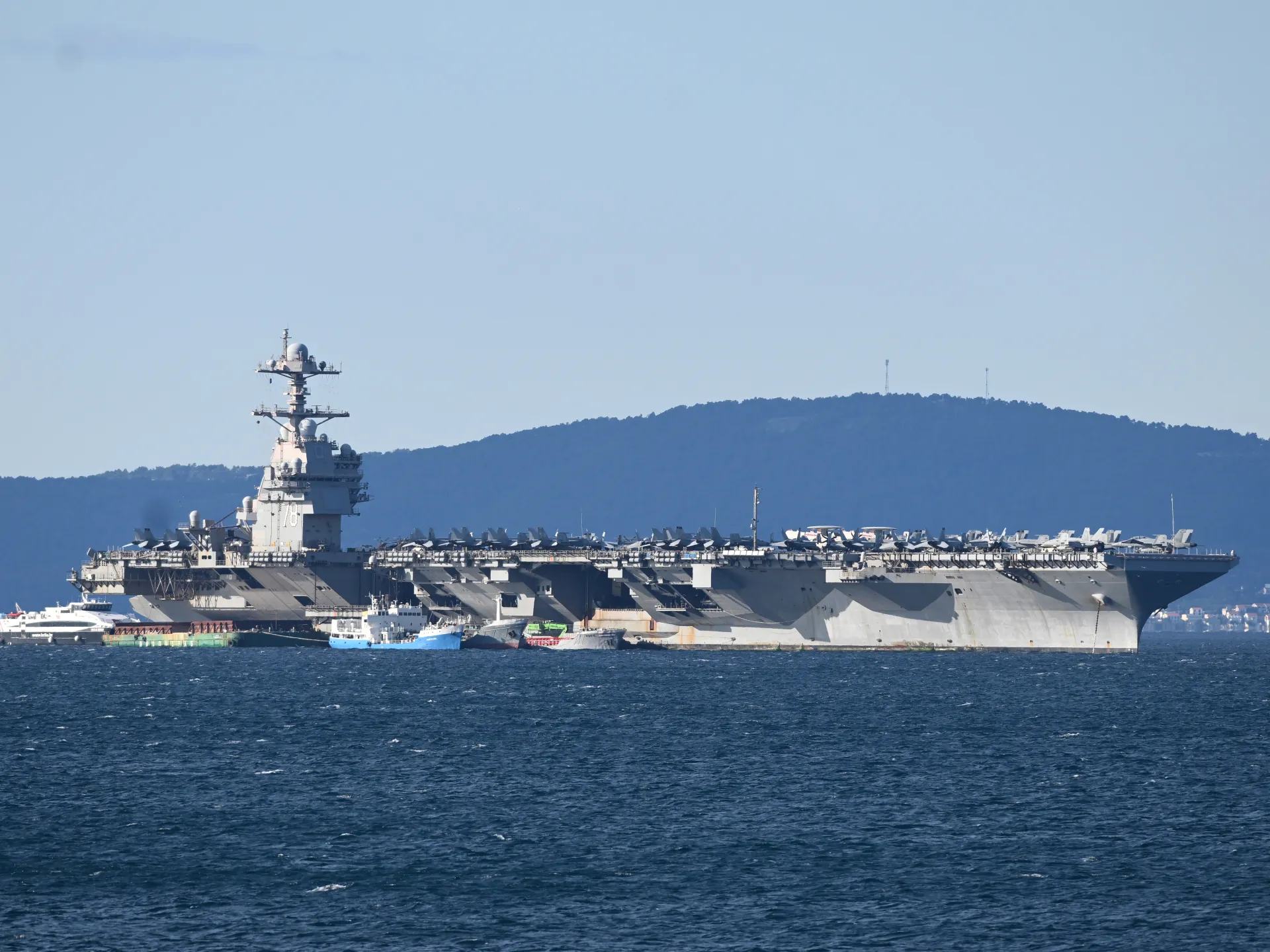
Under the War Powers Resolution of 1973, US President Donald Trump faces a strict deadline of 1 May to obtain explicit congressional authorisation for ongoing military operations against Iran. The current deployment has already exceeded the statutory 60-day limit without a joint resolution passed by both the House of Representatives and the Senate. Without such specific authorisation or a granted extension, the President is legally required to terminate the deployment of armed forces.
While the administration has imposed a naval blockade on Iranian ports and extended a ceasefire indefinitely, the legislative bridge required to sustain the conflict remains unformed. A fourth bipartisan bid in the Senate to curb presidential authority using the War Powers Resolution was defeated on 15 April by a vote of 52-47. This outcome highlighted deep partisan divisions, with Republicans voting overwhelmingly against oversight, even as some members of their party have expressed reluctance to support operations beyond the 60-day window without approval.
Legal experts note that the situation remains precarious because there is no clear mechanism for Congress to force a President to comply with the termination requirement. Past administrations have frequently bypassed this mandate by citing the Authorization for Use of Military Force (AUMF) passed after the September 11 attacks or by arguing that specific actions do not constitute hostilities under the resolution. However, the current lack of a joint resolution leaves the administration vulnerable to legal challenges as the statutory clock runs out.
Recent military activity has continued in parallel with diplomatic pauses, primarily at sea. US forces captured the Iranian-flagged container ship *Touska* in the Arabian Sea and intercepted at least three Iranian tankers in Asian waters. In response, Iran has captured two foreign commercial vessels in the Strait of Hormuz. These actions occur despite a unilateral ceasefire extension announced by the President, which did not set a fixed end date for the talks.
The political pressure surrounding this legal limbo is significant, with public opinion polls consistently showing opposition to the war in the United States. While some Congressional Republicans have insisted that approval will be required after the 60-day window, others have stated they will not vote to stop current actions immediately. This uncertainty creates a complex governance environment where the executive branch relies on historical precedents of bypassing Congress while facing a statutory deadline that demands legislative action.