Lebanese PM demands withdrawal timetable as Hezbollah condemns government approach
Prime Minister Nawaf Salam and Parliament Speaker Nabih Berri press US officials for clarity on Israeli pullout, but Hezbollah leader Naim Qassem accuses the cabinet of subjecting the national army to humiliation.
Lebanese Prime Minister Nawaf Salam has formally requested a definitive timetable for the withdrawal of Israeli forces from Lebanese territory, following high-level diplomatic engagements with United States officials. The Prime Minister’s office released a statement on Friday detailing meetings with US Ambassador to Beirut Michel Issa and General Joseph Clearfield, head of the US military coordination group for Lebanon. Salam emphasised the necessity for Israel to halt destruction operations, expand the scope of designated pilot areas, and establish a clear schedule for its exit from Lebanese soil.
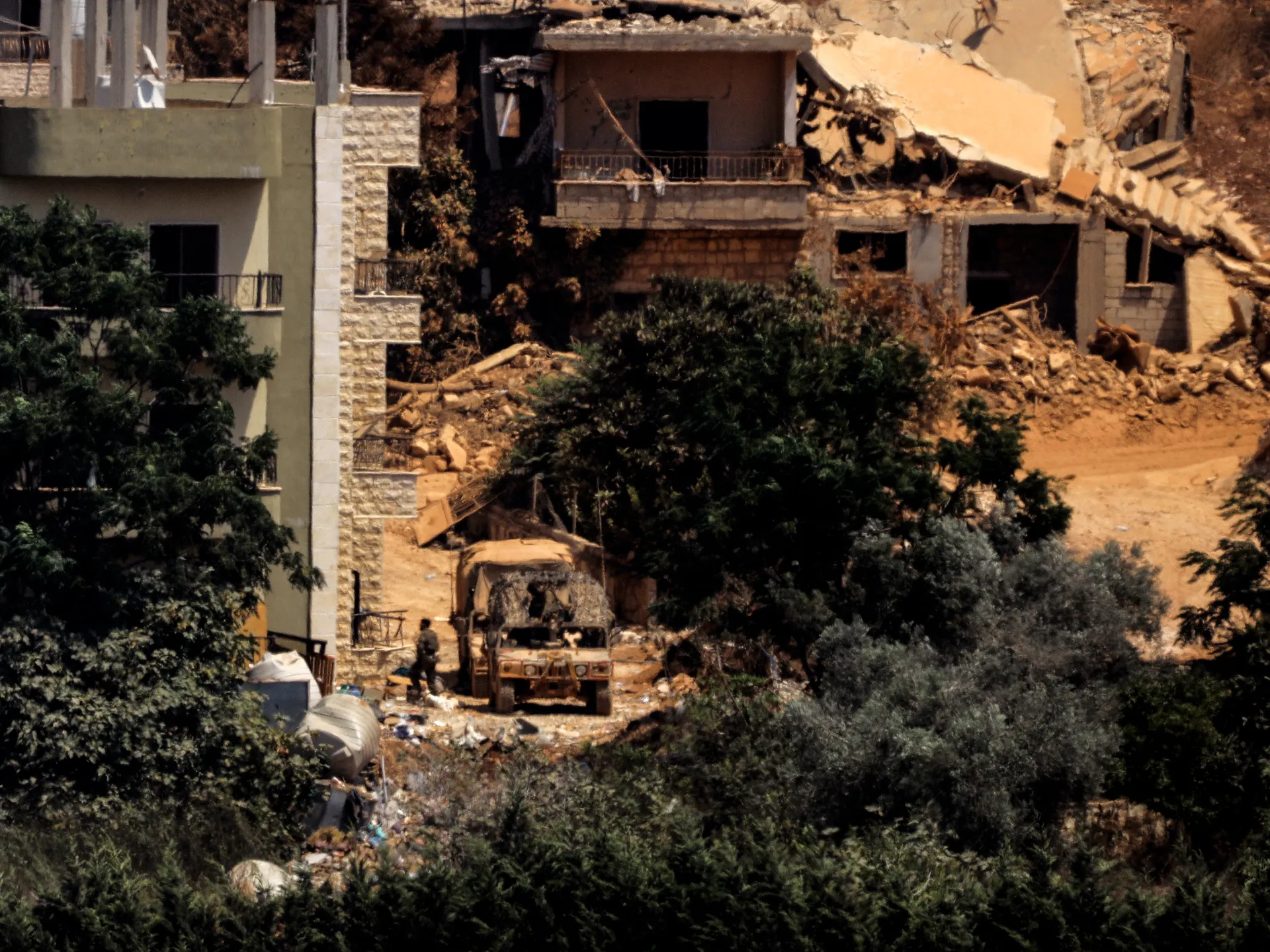
The diplomatic push was echoed by Parliament Speaker Nabih Berri, who held separate discussions with the same US counterparts. Berri highlighted that Israeli violations persist despite ongoing negotiations, citing continued demolitions of villages, bulldozed farmland, forest fires, and damage to heritage sites. He argued that stability can only be achieved by compelling Israel to cease its war and withdraw to the international border, rather than accepting a framework that leaves Lebanese territory under ongoing military pressure.
In response to the government’s diplomatic strategy, Hezbollah leader Naim Qassem issued a sharp rebuke, accusing Lebanese officials of exposing the national army to undue pressure and humiliation. Qassem challenged the cabinet to name any tangible achievements resulting from the seven rounds of negotiations held to date. He specifically pointed to continued Israeli strikes within Zawtar al-Gharbiyeh, the first designated pilot zone, noting that homes and tunnels have been demolished despite the presence of the Lebanese army.
Qassem further alleged that Israel is attempting to bind Lebanon to an oversight body that would control the army’s deployment and internal operations, a move he described as an ongoing humiliation for the military. He questioned the utility of pursuing a deal that leaves the army exposed to bombardment and Israeli pressure, rather than acting as a protector of national sovereignty. The criticism underscores the deepening rift between the Lebanese government’s diplomatic efforts and the militant group’s hardline stance.
On the other side of the negotiation table, the United States and Israel maintain that military operations will not cease until Hezbollah disarms. Ambassador Issa described the recent talks as positive but declined to provide a date for the next round, which is expected to resume in early September. Israeli Defence Minister Israel Katz reiterated this position, stating that Israel will not withdraw from the multiple towns it currently occupies inside the Lebanese border until the militant group gives up its weapons.
The June trilateral framework, involving Lebanon, Israel, and the US, outlines a path for Hezbollah’s disarmament and a gradual Israeli withdrawal from the south. However, the gap between the parties remains wide, with Israel insisting on disarmament as a precondition for withdrawal, while Lebanon seeks a simultaneous exit strategy. Since Israeli attacks began on 2 March, Lebanese authorities report that 4,335 people have been killed, 12,277 wounded, and more than one million displaced.
The next round of negotiations is anticipated to begin in early September, though specific dates have not yet been confirmed. As talks stall, the humanitarian and security situation in southern Lebanon continues to deteriorate, with Israeli forces maintaining their occupation of several areas and carrying out demolition operations that have displaced residents and destroyed infrastructure.