Lebanese officials accuse Israel of war crimes over journalist deaths and blocked medical access
The Prime Minister claims an established pattern of violence against civilians, while the IDF maintains its strikes were directed at vehicles posing an immediate threat to troops.
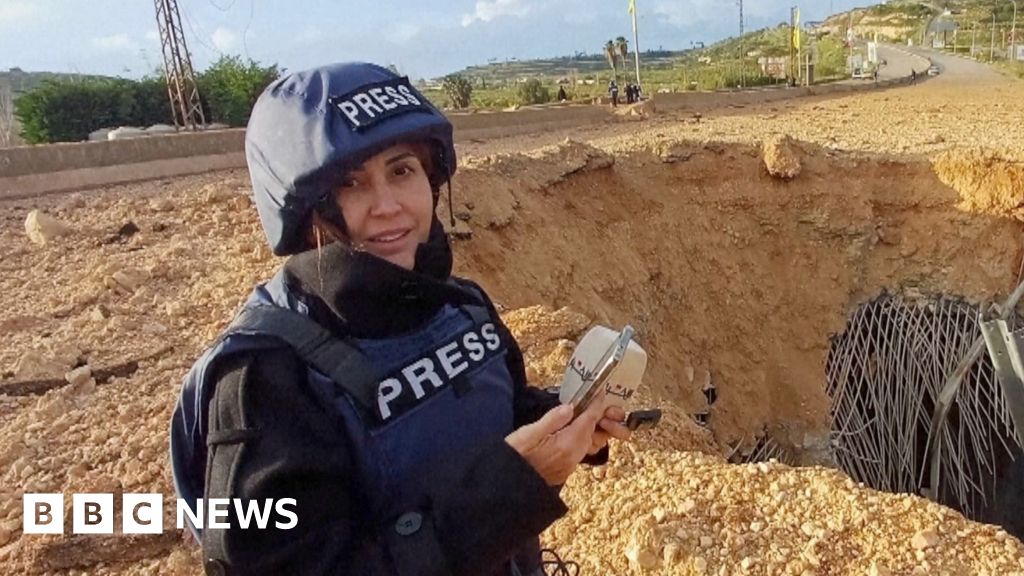
Lebanon's Prime Minister Nawaf Salam has formally accused Israel of committing war crimes following airstrikes that killed journalist Amal Khalil and wounded Zeinab Faraj in southern Lebanon. Lebanese officials allege that the Israel Defense Forces (IDF) deliberately targeted the journalists as they sought shelter in a home after an initial strike hit a vehicle ahead of them.
The government in Beirut further asserts that Israeli forces intentionally struck a marked Red Cross ambulance attempting to reach the site, an act described as preventing rescuers from accessing the wounded. The Lebanese health ministry stated that this sequence of events constitutes a blatant double violation of international law by obstructing rescue efforts and targeting a vehicle clearly marked with the Red Cross emblem.
In response to these allegations, the IDF denied targeting journalists or blocking rescue teams. A statement from the force claimed that the initial strikes were directed against vehicles linked to Hezbollah that had departed from a military structure and posed an immediate threat after crossing a forward defence line. The IDF insisted it acts to mitigate harm to civilians while maintaining the safety and security of its troops.
The Committee to Protect Journalists and Reporters Without Borders have condemned the incident as a grave breach of international humanitarian law. Clayton Weimer, the executive director of Reporters Without Borders, noted that the organisation had received messages requesting the IDF allow ambulances to reach the site, only to find the Red Cross signalling an inability to pass due to ongoing bombardment.
This event adds to a broader context of violence affecting media personnel in the region. The Committee to Protect Journalists reports that Israeli attacks have killed seven journalists in Lebanon, while the Lebanese health ministry noted that at least 100 medical workers have been killed and more than 120 attacks recorded on ambulances and medical facilities since the latest war began.
While the two nations remain at odds over the interpretation of the ceasefire agreement, diplomatic efforts continue. A meeting hosted by the US Secretary of State recently brought Lebanese and Israeli envoys together to implement a cessation of hostilities, with Lebanon seeking an extension of the truce to enable negotiations toward a permanent security agreement.