Lebanese officials accuse Israel of crimes against humanity over death of journalist Amal Khalil
Prime Minister Nawaf Salam and President Joseph Aoun allege deliberate obstruction of medical crews and a pattern of targeting journalists to conceal aggressive acts, while the IDF maintains it does not target civilians.
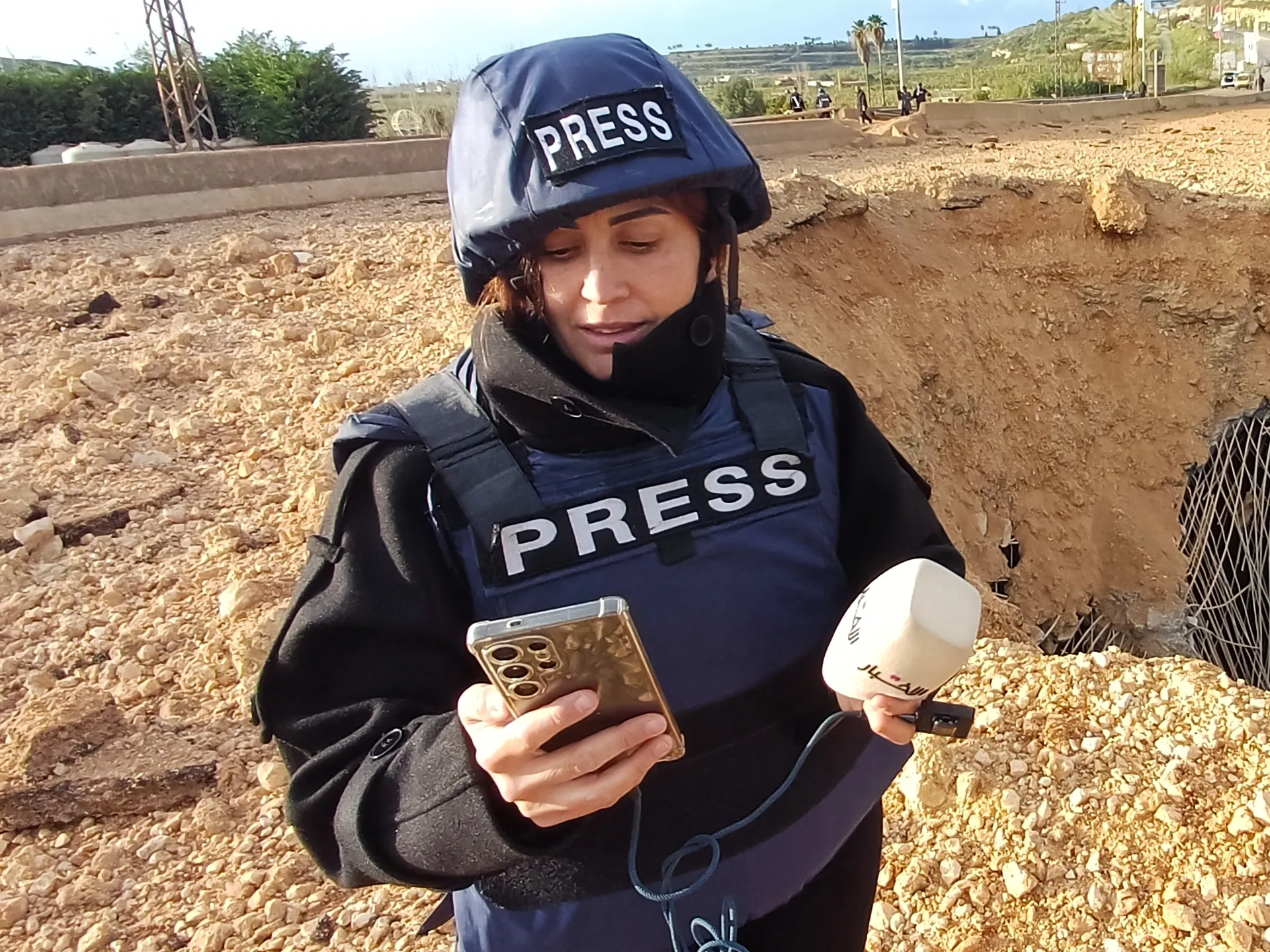
Lebanese Prime Minister Nawaf Salam has formally accused Israel of committing crimes against humanity following the death of veteran journalist Amal Khalil and the serious wounding of her colleague Zeinab Faraj. The incident occurred in the village of al-Tayri in southern Lebanon, where Khalil was killed and Faraj injured during a reported double-tap air strike by the Israel Defense Forces. Khalil, a long-serving reporter for Al Akhbar, was the ninth journalist to be killed in Lebanon this year.
According to Lebanese officials, Khalil and Faraj were reporting on an earlier Israeli attack on a vehicle when they were targeted while fleeing towards a building to take shelter. Khalil was last heard from at 4:10 pm local time when she called her family and the Lebanese military. Rescuers initially attempted to reach the scene but came under Israeli fire and were forced to withdraw, prompting a second strike that hit the house where the journalists had sought refuge. Khalil's body was recovered shortly before midnight, more than seven hours after the initial attack.
The Lebanese government asserts that the Israeli military obstructed medical crews from reaching the wounded and the deceased, a claim the IDF has denied. Lebanese President Joseph Aoun accused Israel of the deliberate and consistent targeting of journalists to conceal the truth of its aggressive acts against Lebanon. Meanwhile, the Israeli military stated it does not target journalists and denied reports that it prevented rescue teams from accessing the scene.
The Committee to Protect Journalists described the obstruction of medical crews as a brutal and recurring crime, calling for an urgent investigation into Israel's record of journalist killings across the region. CPJ regional director Sara Qudah noted that Khalil remained trapped under rubble while the Red Cross was prevented from reaching her. This incident follows a similar reported double-tap attack less than a month ago, in which three journalists were killed and the Israeli army later acknowledged altering a photo alleging one victim was a Hezbollah member.

Al Jazeera reporter Heidi Pett reported that Khalil had received direct threats from an Israeli phone number on WhatsApp during the previous conflict, warning her to leave Lebanon. Khalil, who had covered the region for Al Akhbar since the 2006 war, focused her latest reporting on Israeli demolitions of homes in villages where troops are positioned inside Lebanon. Her work sought to highlight the resilience of residents in border villages and debunk narratives that Israel targets only military sites.
Lebanon's Information Minister Paul Morcos described the latest attack as a flagrant violation of international humanitarian law. As the situation in southern Lebanon remains volatile, the death of Khalil has intensified diplomatic tensions between Beirut and Jerusalem regarding the conduct of hostilities and the protection of civilian press personnel.