Beijing scrambles for alternative crude as Middle East disruptions hit record highs
With the Strait of Hormuz effectively blocked and a key Saudi pipeline shut, China is drawing down strategic reserves and competing for Russian and African supplies to close a widening daily deficit.
China is facing a critical oil supply challenge as domestic prices surge to record highs amid mounting disruptions to exports from the Middle East. The crisis stems from the closure of a key Saudi pipeline and the effective blockage of the Strait of Hormuz by Iran, which has severed two vital routes for crude oil destined for Chinese refineries. Consequently, Beijing is drawing down its vast strategic reserves and aggressively seeking alternative crude sources from Russia, Latin America, and Africa to secure energy supplies while attempting to prevent further global price escalation.
The disruption to supply chains has forced a significant reduction in import volumes. According to the US Energy Information Administration, China’s crude imports averaged 8.1 million barrels per day in the second quarter, a 32 per cent drop compared to the first three months of the year. This decline follows a period where China was importing roughly 12 million barrels a day, allowing it to build stockpiles that reached an estimated 1.4 billion barrels by the end of last year. As those buffers are now being eroded, Chinese refiners are being pushed back into the market to secure feedstock.
Beijing is increasingly turning to Russia, which remains its largest crude supplier. Chinese seaborne imports from Russia reached 1.68 million barrels per day in August, up from 1.4 million in July, marking the highest level since March. While US sanctions have complicated these purchases, they have not stopped them, with Russian ESPO crude reaching Chinese ports in less than a week. However, analysts note that additional Russian and Iranian supplies can only partially bridge the feedstock gap if the disruption to Middle Eastern supplies persists.
The scale of the deficit is evident in domestic production and processing figures. Chinese data cited by Reuters indicates that China produced about 4.34 million barrels per day in August, while its refineries processed 13.91 million barrels per day. This created a gap of roughly 9.6 million barrels per day that must be filled by imports or inventories. Saudi Aramco attempted to mitigate this by selling at least four million barrels to China in August, though this equates to only about 129,000 barrels per day when averaged across the month.
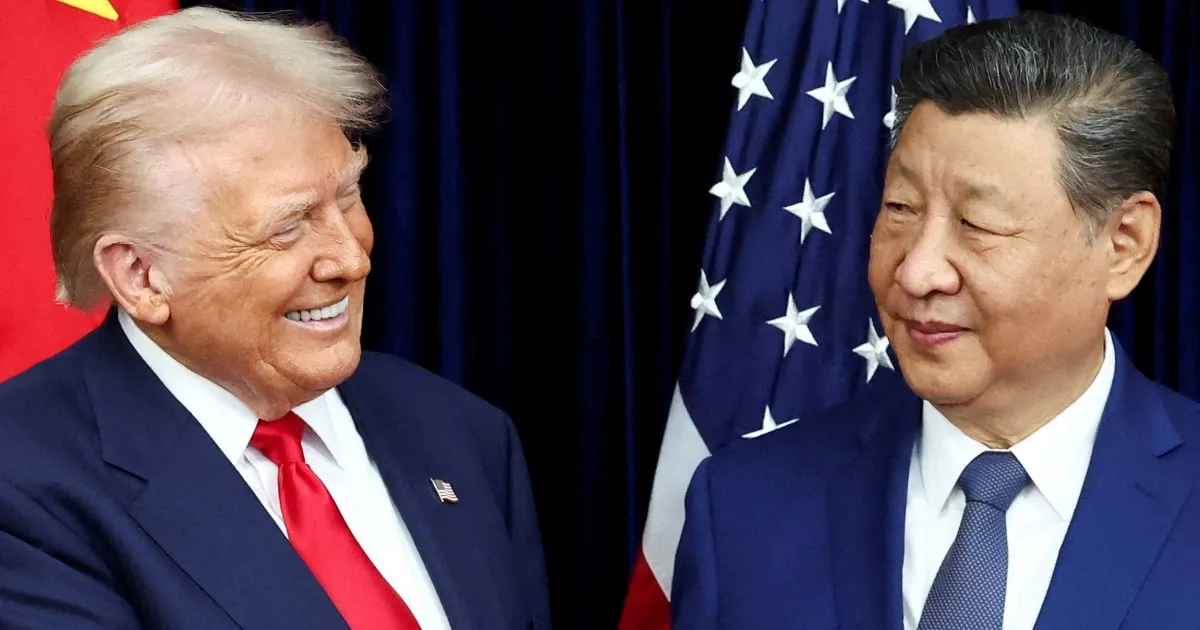
Diplomatic efforts are intensifying to address the shipping disruptions. Chinese Foreign Minister Wang Yi met Iranian Foreign Minister Abbas Araghchi in Beijing on Wednesday, urging Iran and the United States to return to negotiations and reopen the Strait of Hormuz. These talks aim to safeguard international energy supplies ahead of an expected meeting between Chinese President Xi Jinping and US President Donald Trump in Washington.
The growing pressure on China’s oil supplies has increased the stakes for Beijing diplomatically, as it seeks to balance its own energy security with the need to prevent a global recession. While the rapid expansion of electric vehicles has weakened demand for petrol, China’s petrochemical industry and heavy transport remain heavily dependent on oil. As China raises refinery output and seeks to replenish the stockpiles that helped shield it from the initial shock, it will continue to compete with other buyers for constrained supplies, adding further pressure to global prices.