Justice Department rescinds journalist protections as subpoenas issued over Iran war reporting
The Wall Street Journal confirms it received subpoenas regarding its Iran coverage; President Trump labels critical reporting as treason
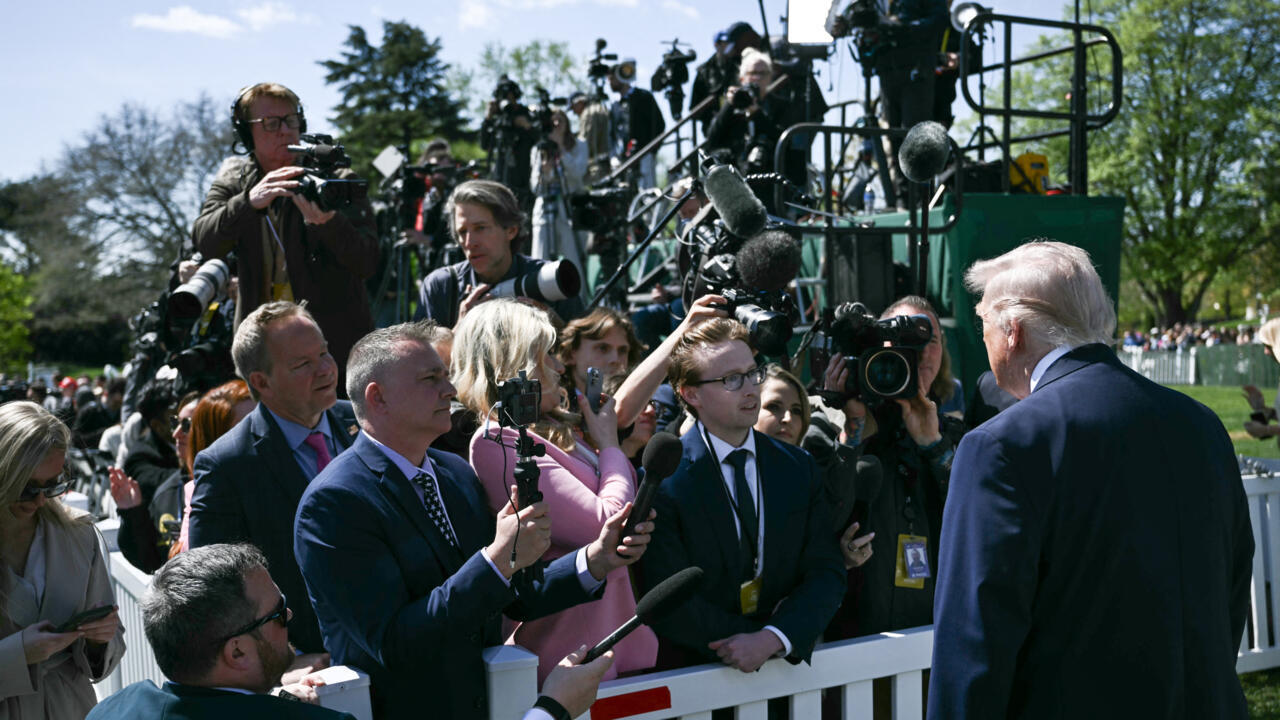
The Justice Department has formally rescinded a Biden-era policy that previously shielded journalists from being compelled to reveal their sources. This regulatory shift coincides with a renewed legal offensive against media outlets, specifically targeting investigations into the classified leaks of national security information. Acting Attorney General Todd Blanche has publicly defended the issuance of grand jury subpoenas to reporters, framing the prosecution of individuals who share state secrets as a top priority for the current administration.
The legal pressure intensified following reports that The Wall Street Journal received subpoenas for records concerning its coverage of the war against Iran. In a post on X, Blanche stated that any witness possessing information about illegal leaking should not expect to be surprised by a subpoena, regardless of whether they are a journalist. The Acting Attorney General warned that such actions are necessary to protect national security and the lives of soldiers, asserting that the administration will aggressively pursue those who risk these interests by sharing classified material.
President Donald Trump has escalated the rhetoric surrounding media coverage of the conflict, characterising reports suggesting Iran is performing well militarily as "virtual TREASON". In a post on Truth Social, the President accused the press of aiding and abetting the enemy by providing false hope to Tehran. He described the outlets publishing such stories as American cowards rooting against the country, a stance that aligns with the Justice Department's description of the situation as an aggressive push to address leaks flagged by the President.
The Wall Street Journal described the subpoenas as an attack on constitutionally protected newsgathering. Ashok Sinha, the chief communications officer of Dow Jones, which publishes the newspaper, vowed to vigorously oppose the effort to stifle essential reporting. The newspaper noted that the administration's aggressive posture appears to stem from a specific incident where President Trump provided a stack of articles to Blanche with a note reading "treason", prompting the Justice Department's current line of inquiry.
This development marks a significant departure from previous years, when the Justice Department strictly limited the use of subpoenas in leak investigations to protect press freedom. The reversal of this policy occurs against a backdrop of an acrimonious relationship between the administration and large swathes of the US media, which has frequently seen outlets derided as "fake news" and targeted by numerous lawsuits. The shift signals a willingness to utilise legal mechanisms that were previously constrained to compel testimony from journalists.
The broader context of media scrutiny has been heightened by recent security incidents, including an assassination attempt on President Trump at a White House gala. While distinct from the leak investigations, these events have contributed to an environment of increased scrutiny regarding security and media access. Meanwhile, the FBI has already engaged in physical raids on the homes of reporters, such as the January seizure of electronic devices from a Washington Post journalist, actions described by the Committee to Protect Journalists as highly unusual.