Eurovision finalists advance in Vienna as political boycott reshapes 70th contest
The 70th edition of the Eurovision Song Contest proceeds in Vienna with a record-low field of 35 countries, marked by significant political friction and a hybrid voting system.
Finland and Israel have advanced to the final of the Eurovision Song Contest in Vienna following the conclusion of the first semi-final on Tuesday. Belgium also secured a qualification spot, completing the lineup for Saturday's grand finale alongside Croatia, Greece, Lithuania, Moldova, Poland, Serbia, and Sweden. The contest, marking its 70th edition, has taken place inside the Wiener Stadthalle before an audience of 11,200 fans.
The event has been overshadowed by a significant political boycott, with Spain, Ireland, Slovenia, the Netherlands, and Iceland withdrawing from the competition or refusing to broadcast it. These five nations cited the ongoing war in the Gaza Strip and Israel's participation as the primary reasons for their absence. This withdrawal resulted in the fewest number of participating countries since the entry list was expanded in 2004, reducing the field to 35 nations.
Despite the diplomatic tensions, the semi-final proceeded with a hybrid voting methodology combining public votes and professional juries. This marks the first time since the Turin 2022 contest that juries have been reintroduced to the process, a move intended to restore faith in the voting system among fans. Eurovision director Martin Green noted at a press conference that the coexistence of the contest and protests on opposite sides of Vienna demonstrated the resilience of democracy.
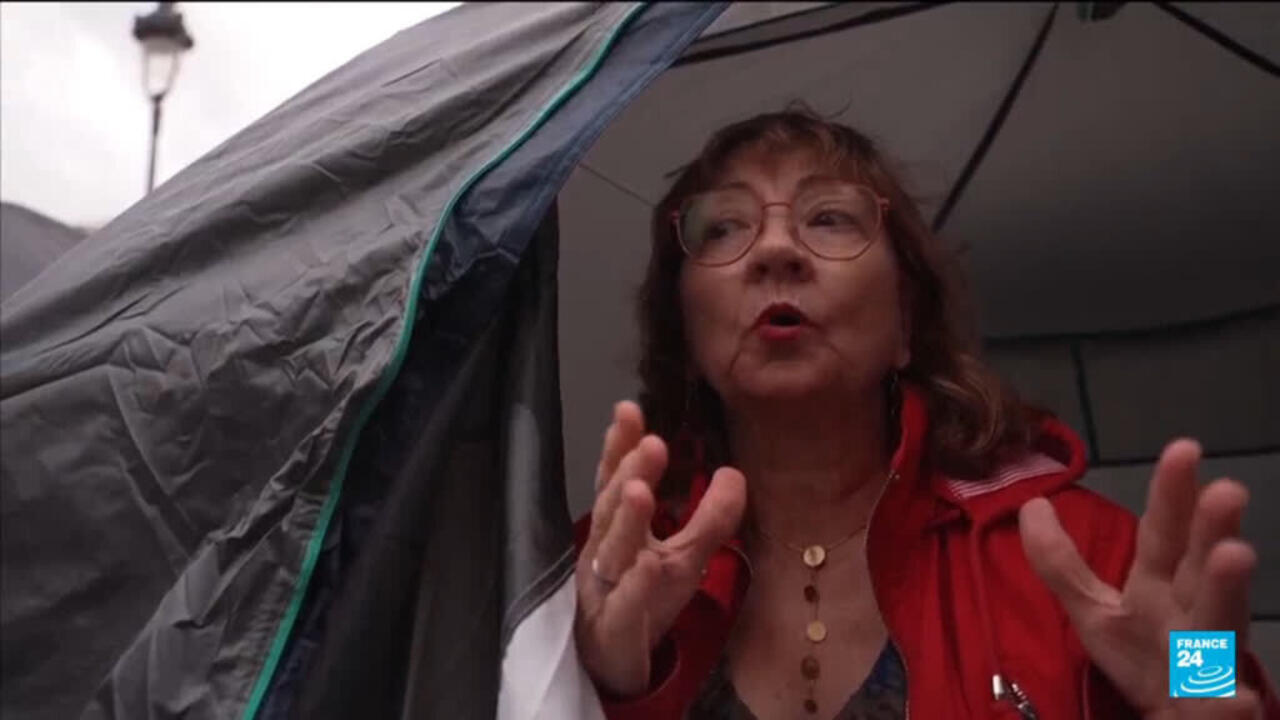
Political dissent was visible in the host city, where pro-Palestinian activists placed coffins in central Vienna to protest Israel's involvement. Demonstrators, including Karin Spindlberger, expressed opposition to the event's format, arguing that music should not be used in this manner given the current geopolitical climate. Eurovision officials stated that allowing such expression was a positive sign of the democratic freedoms within the host nation.
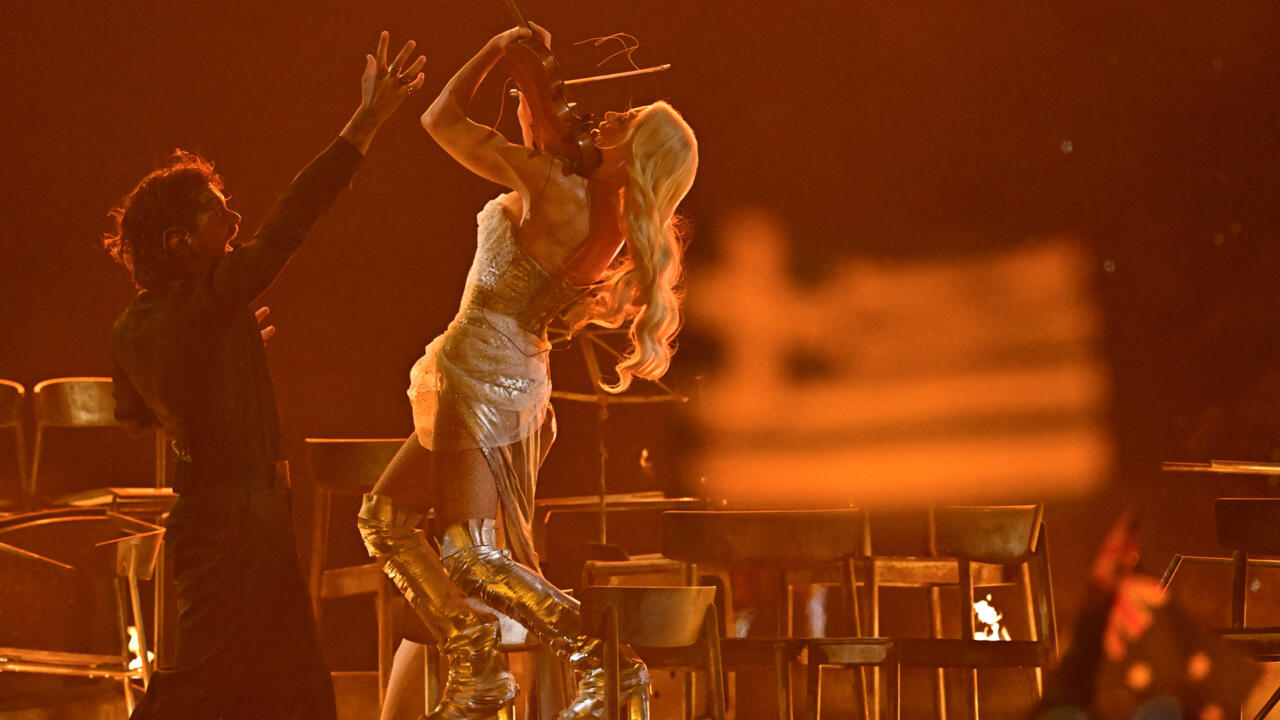
Musical performances varied across the continent, ranging from Estonian guitar pop to Serbian progressive metal. A notable moment occurred when Finnish duo Linda Lampenius and Pete Parkkonen performed with live violin accompaniment. This was a rare occurrence, as orchestras had been phased out following the Birmingham 1998 contest, and the Finnish entry remains a favourite heading into the final.
Austria is hosting the event for the third time, following previous victories in 1967 and 2015. Alongside the host nation, major financial backers including Britain, France, Germany, and Italy hold guaranteed spots in the final. The second semi-final is scheduled for Thursday, with ten additional acts expected to progress to the Saturday showpiece.