OpenAI CEO testifies Elon Musk sought 90 per cent stake in high-stakes trial
Sam Altman rejects claims of betraying charitable vision, characterising Musk as a competitor seeking majority ownership ahead of potential $1 trillion valuation
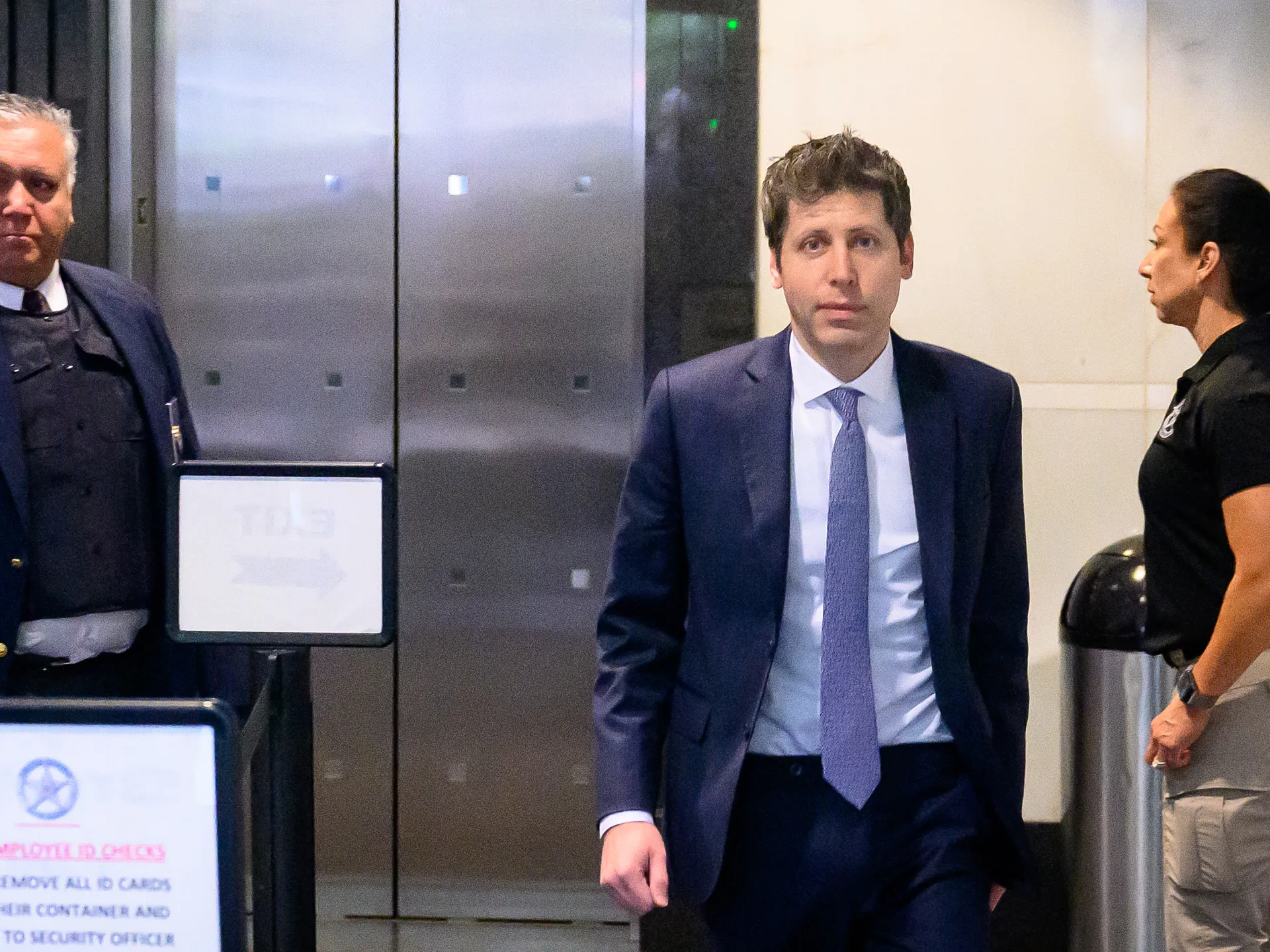
Sam Altman, chief executive of OpenAI, has testified in Oakland that Elon Musk initially requested a 90 per cent equity stake in the artificial intelligence company during early investment discussions. This revelation emerged during the commencement of a landmark trial on Tuesday, where Musk alleges that Altman and OpenAI president Greg Brockman betrayed the organisation's original charitable mission by pivoting to a for-profit model in 2019.
Altman rejected the characterisation of his actions as theft, stating that the notion of stealing a charity did not align with the actual events. He framed the dispute as a conflict between governance and control, asserting that Musk was a competitor obsessed with exercising dominance over the firm rather than a partner acting in good faith. The testimony highlights the deep acrimony between the two figures, driven partly by divergent views on the regulation and development of artificial intelligence.
According to Altman's evidence, while the specific figure of 90 per cent later softened, Musk consistently sought a majority share in the company. The CEO noted that Musk was aware of the plans to transition OpenAI into a for-profit enterprise before committing his $38bn investment. This assertion directly counters Musk's claim that he was persuaded to invest based on a goal of improving humanity, only to have the company's purpose shifted without his full consent.
The legal proceedings, which commenced on Tuesday, involve Musk seeking $150bn in damages from Altman and Brockman, alongside a request for their removal from leadership positions. The outcome of this trial carries significant implications for the future of OpenAI and its potential initial public offering, which is currently valued at $1 trillion. The case effectively centres on the institutional shift from a non-profit to a for-profit structure and the legitimacy of that transition under the original investment agreements.
Musk has previously portrayed Altman as untrustworthy, arguing that placing someone with questionable integrity in charge of AI development poses a danger to the world. In response, Altman argued that Musk lacked the capability to run a research lab effectively and had demotivated key researchers during his tenure. The trial also touches on the broader political landscape in the United States, where AI has become a significant election-season issue ahead of the November midterms.
Public sentiment regarding the technology remains largely negative, with a March 2026 poll by the Pew Research Center indicating that a majority of Americans believe AI will worsen creative thinking and problem-solving. As the administration of President Donald Trump proposes a national policy framework to prevent a patchwork of state regulations, the legal battle over OpenAI's internal governance underscores the intense conflict between differing visions for the future of artificial intelligence.