Diplomatic stalemate deepens as Iran issues ultimatum over Middle East truce
The conflict, which has escalated costs to nearly $29 billion, sees fighting continue in Lebanon despite the broader truce
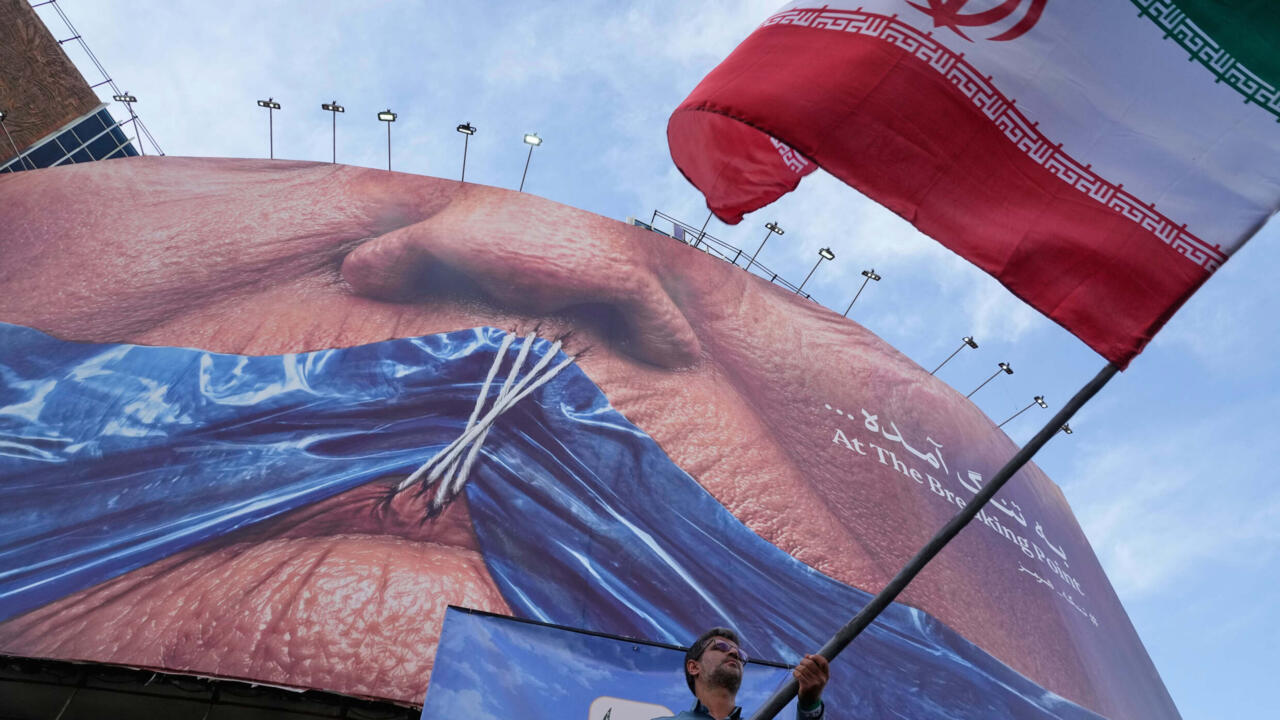
Iran's chief negotiator has issued a stark ultimatum to the United States, warning that Washington must accept Tehran's latest 14-point peace proposal or face the total failure of the Middle East ceasefire. Mohammad Bagher Ghalibaf stated that there is no alternative but to embrace the rights of the Iranian people as outlined in the document, characterising any other approach as inconclusive. This diplomatic pressure comes shortly after US President Donald Trump publicly dismissed the counteroffer as totally unacceptable, asserting that the truce is on its last legs.
The proposed framework demands the immediate end of hostilities across all fronts, including in Lebanon, alongside the lifting of the US naval blockade on Iranian ports and the release of frozen assets. In response, President Trump declared that the United States would achieve a complete victory over Iran and expressed confidence that the current arrangement would hold despite the stalemate. The exchange highlights a deepening rift in negotiations, with both sides refusing to make further concessions while threatening to resume full-scale fighting.
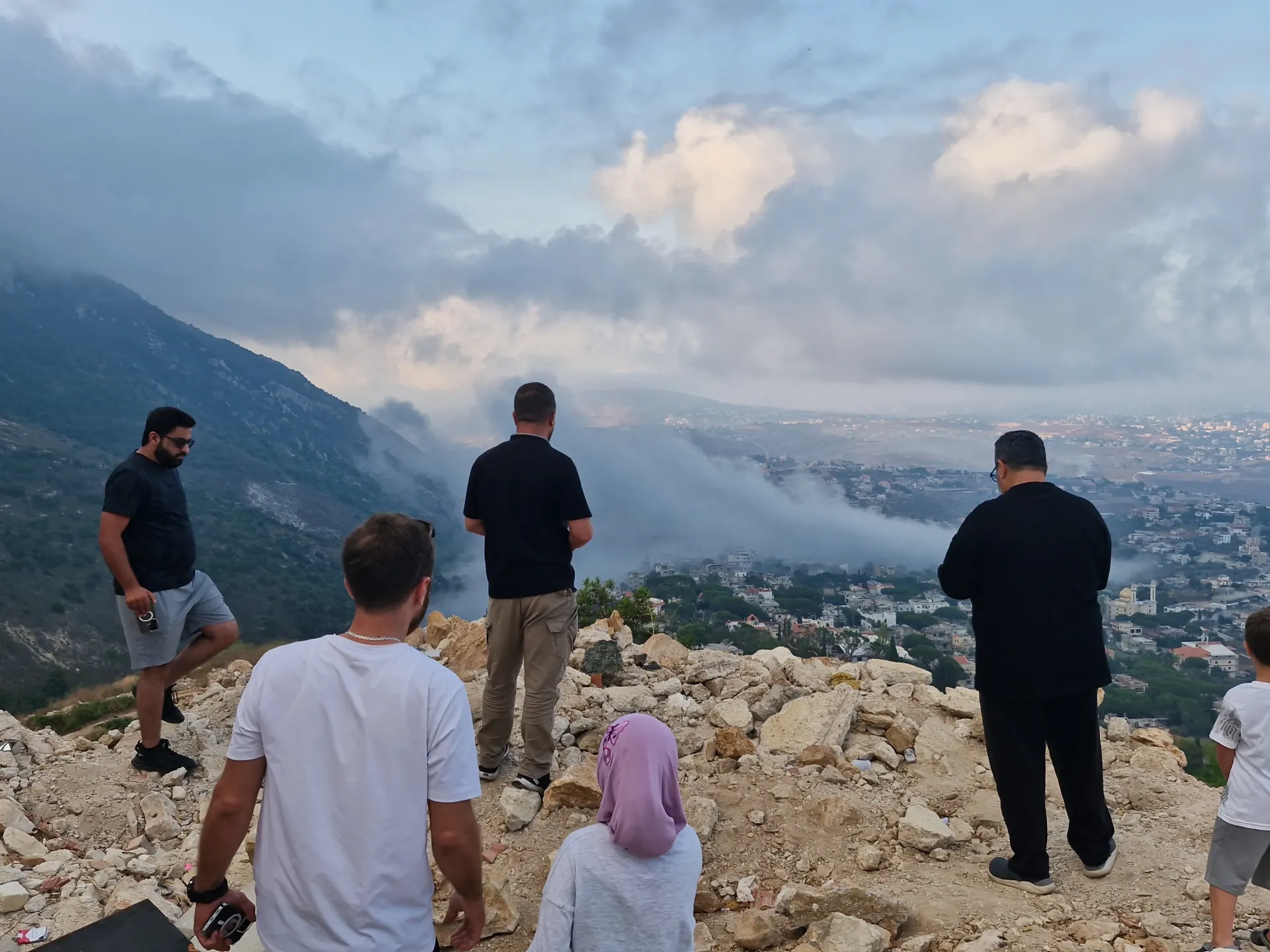
On the ground, the ceasefire agreement reached on April 17 has failed to halt violence in southern Lebanon, where Israeli strikes continue against Iran-backed Hezbollah. At least 13 people were killed in these attacks on Tuesday, including a soldier, a child, and two rescue workers. The ongoing hostilities in the region have contributed to a death toll exceeding 2,880 in Lebanon since the country was drawn into the wider conflict on March 2, with 380 fatalities recorded since the truce took hold.
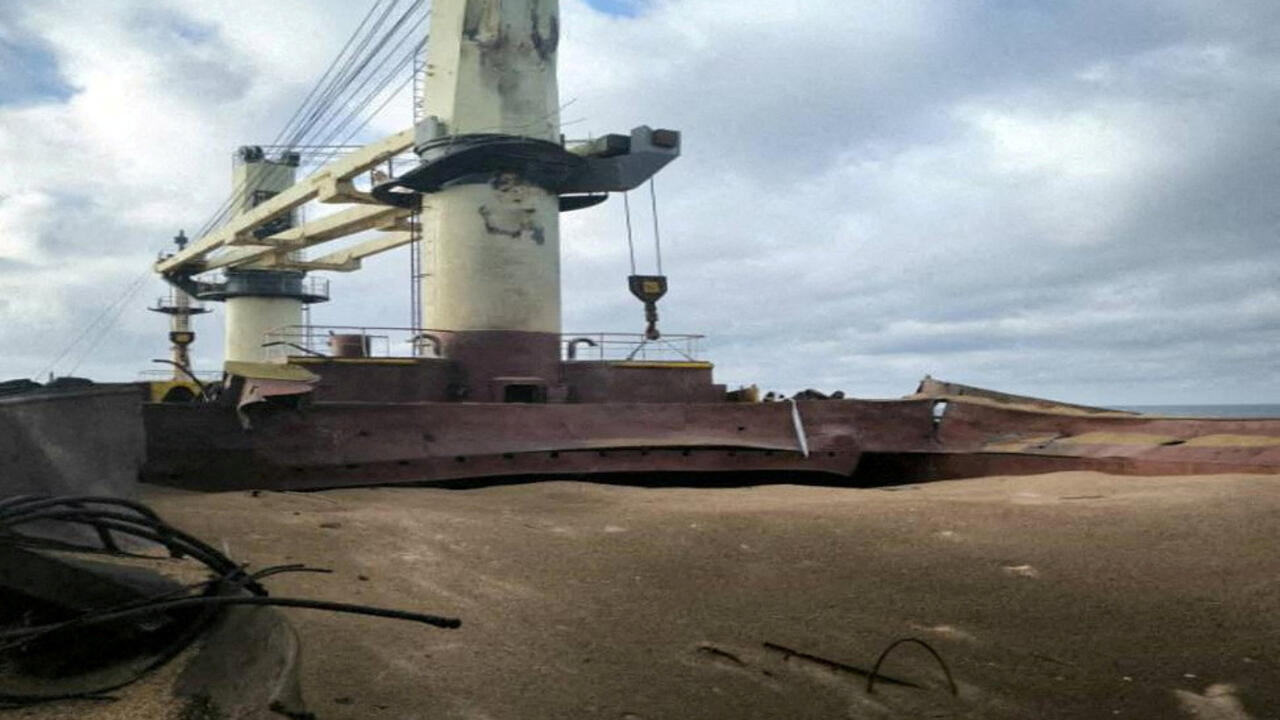
The diplomatic deadlock has triggered significant economic repercussions, with the cost of the war climbing to nearly $29 billion, a figure that is approximately $4 billion higher than estimates provided two weeks ago. The uncertainty surrounding the Strait of Hormuz has further unnerved global markets, as Iran restricts maritime traffic and imposes tolls on passing vessels. Saudi Aramco has described the resulting disruption as the largest energy supply shock the world has ever experienced, given that the waterway typically carries about a fifth of the world's oil and natural gas.
In a display of military defiance, Iran's Revolutionary Guards announced drills in Tehran aimed at enhancing combat capabilities to confront what they describe as the American-Zionist enemy. Defence Ministry spokesman Reza Talaei-Nik warned that if the United States does not submit to Iranian demands in the diplomatic arena, it should expect a repeat of its defeats on the military battlefield. These actions underscore the strategic appeal Iran places on its perceived ability to outlast the current US administration while seeking to extract concessions.
Analysts from the Chatham House think tank suggest that Tehran believes it holds an improved hand in negotiations and is committed to talks to extract further advantages. However, the situation remains volatile, with the US President indicating he does not require Beijing's assistance to end the conflict and planning a long discussion with Chinese counterpart Xi Jinping ahead of his departure for China. As the war of words continues, ordinary citizens in Tehran report living day to day, struggling to maintain hope amidst an uncertain future.