Israel and Lebanon extend ceasefire by three weeks following White House diplomacy
Despite the extension, fundamental disputes regarding Hezbollah's presence, troop withdrawals, and Lebanese domestic laws remain unresolved as sporadic violence continues in the south.
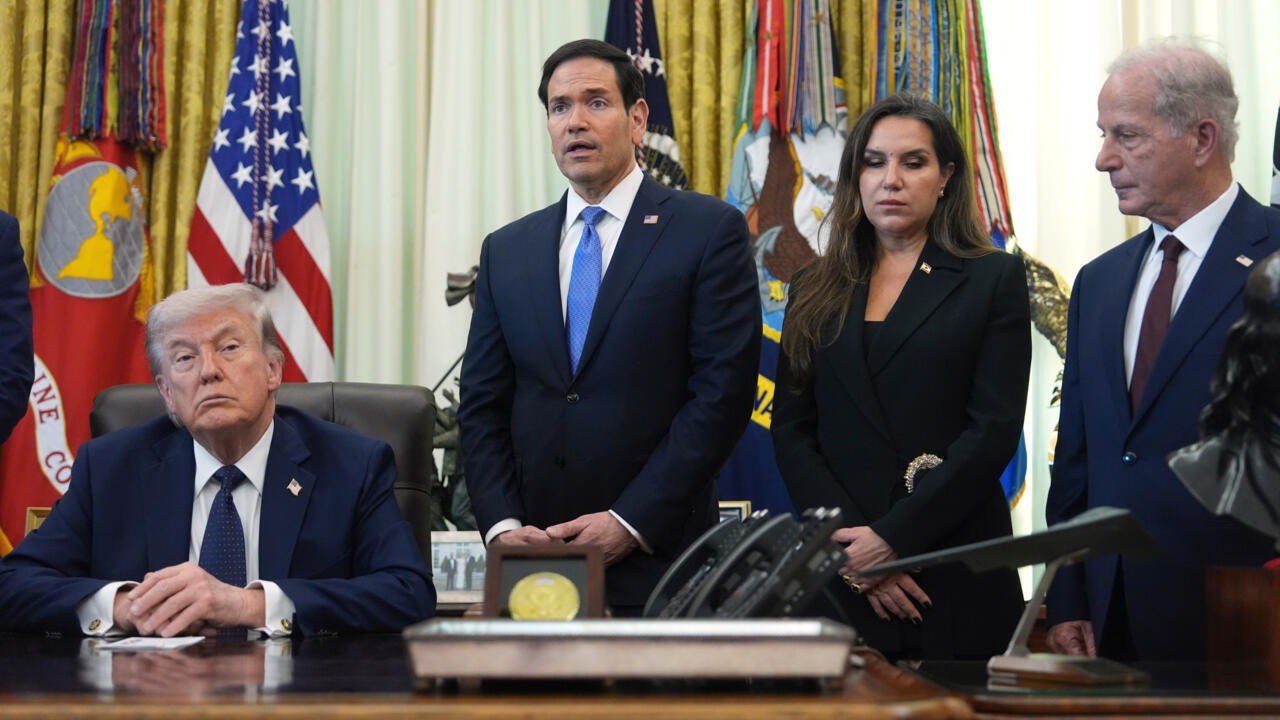
Israel and Lebanon have extended their ceasefire agreement by three weeks, a decision formalised following high-level diplomatic engagements at the White House. The talks, held in the Oval Office on Thursday, were facilitated by US President Donald Trump and attended by senior officials from both nations, including Israeli Ambassador Yechiel Leiter and Lebanese Ambassador Nada Moawad. Vice President JD Vance and Secretary of State Marco Rubio also participated in the second round of US-facilitated discussions, aiming to secure a durable resolution to the ongoing hostilities.
President Trump expressed optimism regarding the trajectory of the negotiations, stating there is a "great chance" the two countries will agree on terms for a comprehensive peace deal within the year. During the meeting, he emphasised that the United States would work with Lebanon to assist it in protecting itself from Hezbollah, though he did not provide specific details on the mechanisms of this support. The President also indicated that he looked forward to hosting Israeli Prime Minister Benjamin Netanyahu and Lebanese President Joseph Aoun during the cessation of hostilities.
Significant policy disagreements persist despite the extension of the truce. Lebanese Ambassador Nada Moawad thanked the President for hosting the talks, noting that with US support, Lebanon could achieve its national goals. However, a Lebanese official indicated that in the next phase of negotiations, Beirut will push for an Israeli withdrawal, the return of Lebanese detainees held in Israel, and a clear delineation of the land border. Conversely, Israeli Ambassador Leiter argued that discussions must focus on rooting out Hezbollah rather than on the withdrawal of Israeli forces, warning that treating Hezbollah and IRGC operatives with "kid gloves" would render mutual goals unachievable.
The diplomatic process also highlighted tensions over Lebanon's internal legal framework. President Trump called for the abolition of Lebanese laws against engagement with Israel, describing them as anti-normalisation statutes. He questioned why such laws existed and predicted they would end quickly. This stance contrasts with the position of Hezbollah, which was not present at the talks but maintains that it has the right to resist occupying forces, a stance that complicates the broader peace architecture being discussed in Washington.
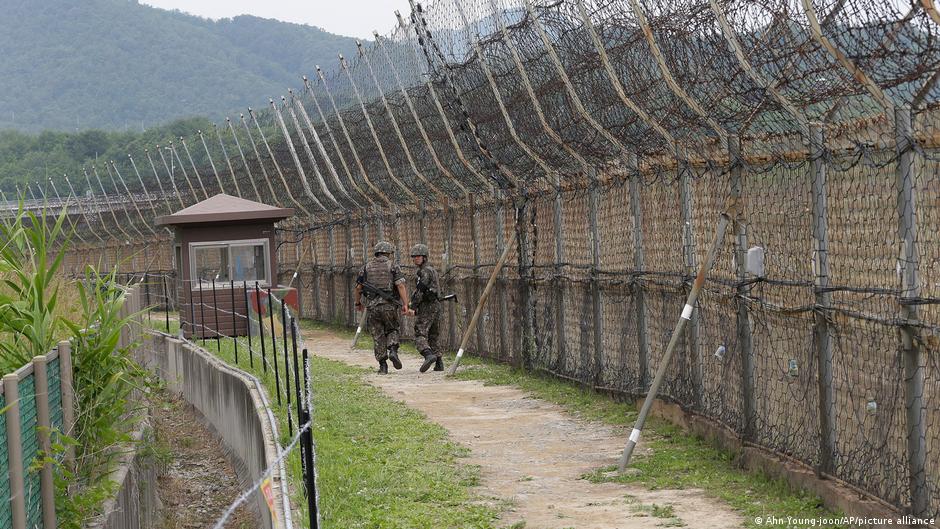
While the extension aims to create a bridge toward a final agreement, violence has not fully abated. Recent Israeli strikes on Wednesday killed at least five people in Lebanon, including journalist Amal Khalil, and wounded two others. Hezbollah retaliated with four operations in south Lebanon, targeting Israeli troops and infrastructure. The Israeli military reported that its strikes were in response to attacks involving missiles, rockets, and drones, while also warning residents of the south not to cross into the area occupied by Israeli forces.
The White House has clarified that the current arrangement is not intended to be permanent but serves as a necessary pause to facilitate a comprehensive peace deal. President Trump noted that the United States maintains a great relationship with Lebanon and reiterated that Israel must be able to defend itself against attacks from Hezbollah. As the three-week extension takes effect, the focus remains on whether the diplomatic momentum generated in the Oval Office can overcome the entrenched positions regarding security guarantees and territorial boundaries.