US envoys arrive in Pakistan for Iran peace talks as diplomatic deadlock persists
Steve Witkoff and Jared Kushner fly to Islamabad as Defence Secretary Pete Hegseth warns the Strait of Hormuz blockade is expanding globally
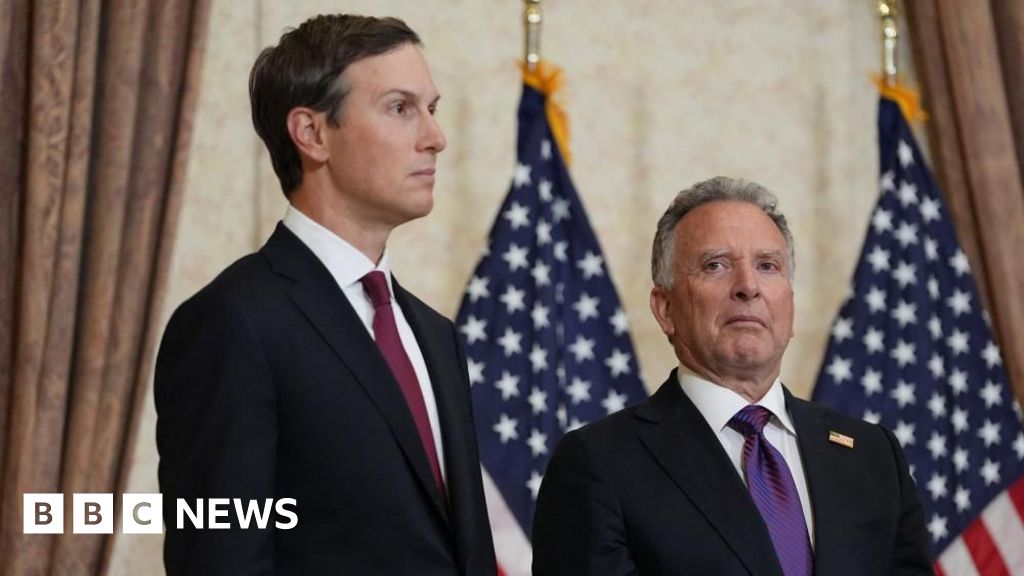
White House special envoy Steve Witkoff and President Trump's son-in-law, Jared Kushner, have travelled to Pakistan to facilitate peace talks regarding the ongoing conflict involving Iran. The deployment marks a significant escalation in diplomatic efforts aimed at resolving the dispute, with the administration stating that Iranian officials have expressed a desire to engage in dialogue.
Despite the White House's assertion that the Iranians want to talk, a clear divergence exists regarding the format of these discussions. Iran's Foreign Minister, Abbas Araghchi, confirmed his arrival in Islamabad but explicitly denied that a direct meeting between Iranian and US representatives is planned. Instead, Iranian officials state that their observations will be conveyed to Pakistan for transmission to the United States.
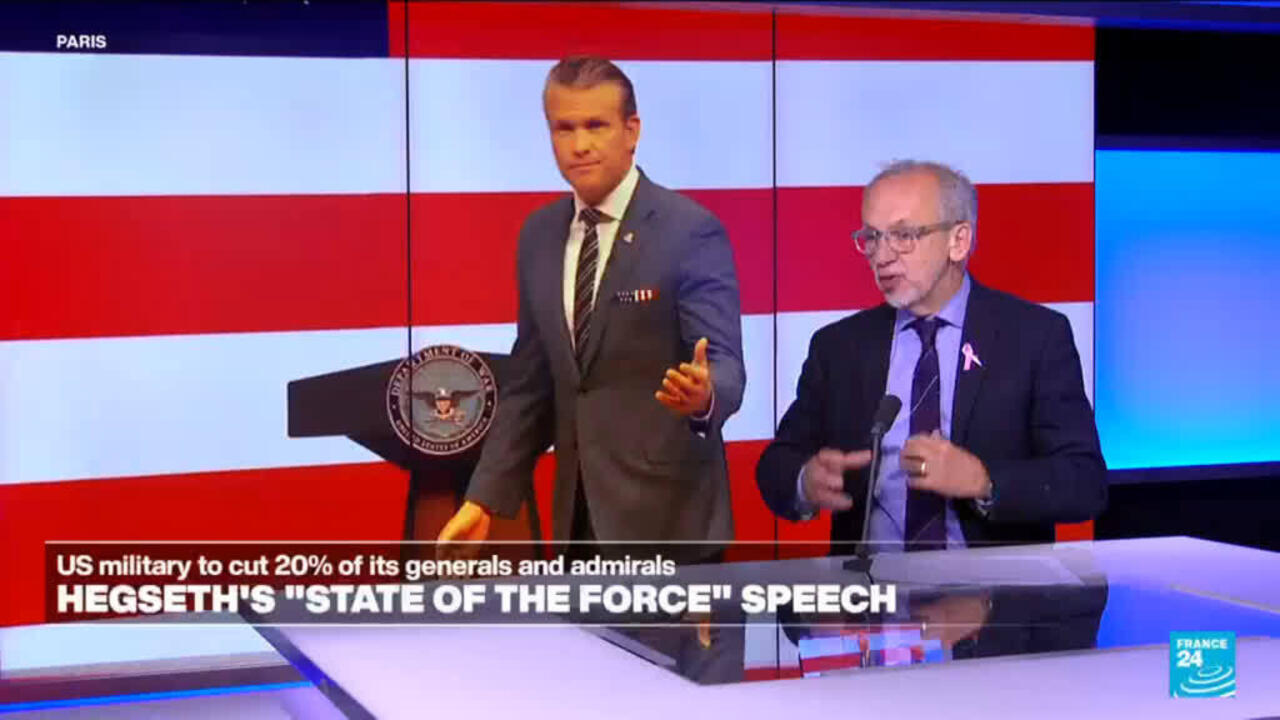
Concurrently, US Defence Secretary Pete Hegseth has characterised the current situation as an "open window" for Tehran to secure a favourable agreement. He emphasised that the administration views the current diplomatic overtures as a critical juncture for policy resolution, provided Iran abandons nuclear weapons in meaningful and verifiable ways. Hegseth also warned that Washington's continuing blockade of the Strait of Hormuz is "growing and going global", linking it to the conflict that began on 28 February.
The strategic importance of the Strait of Hormuz has intensified as the US and Israel have restricted shipping through the waterway, sending oil prices skyrocketing around the globe. Iranian officials, including Parliamentary Speaker Mohammad Bagher Ghalibaf, have cited US naval blockades and Israeli military actions as primary obstacles to genuine negotiations. Ghalibaf warned that it is not possible for the strait to be opened due to what he termed blatant violations of the ceasefire by the warring sides.
This diplomatic initiative underscores a noted divide between the Trump administration's public stance and behind-the-scenes efforts to wind down the war. While officials insist there is no pressure to end the conflict immediately, the continuation of talks suggests both sides are seeking a path forward. The White House announced an indefinite extension of the ceasefire to facilitate these ongoing negotiations, allowing the process to continue beyond the previous expiration date.
The specific format of the talks remains ambiguous, with Vice-President JD Vance currently on standby to travel if the negotiations prove successful. His absence from this weekend's discussions, if confirmed, could indicate that neither side expects a major breakthrough. Pakistan continues to serve as the primary mediator in these high-stakes diplomatic efforts, acting as the conduit between the conflicting parties.