Iranian commandos board cargo vessel in Strait of Hormuz, analysts say
Correspondent Reza Sayah notes the conflict arena has narrowed from broader regional actors to the waterway itself, marking a calculated shift in Tehran's approach to regional tensions.
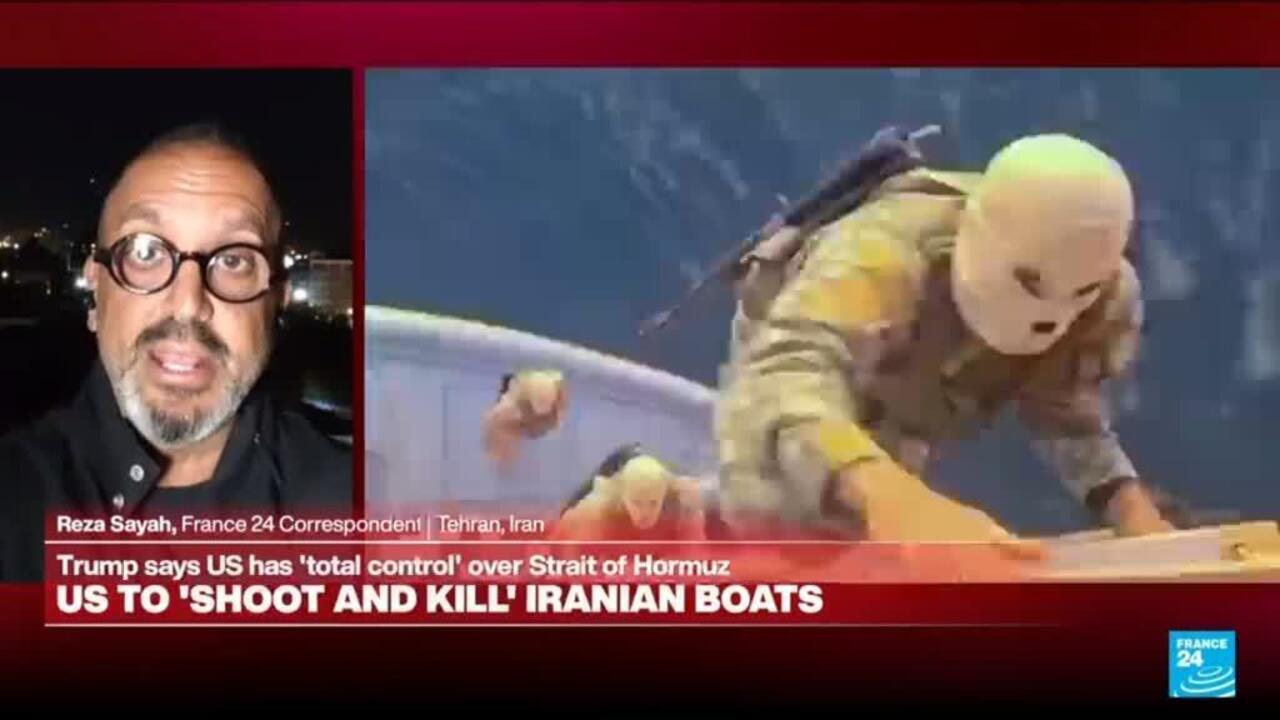
Iranian commandos have boarded a cargo ship navigating the Strait of Hormuz, an action that serves as a tangible demonstration of Tehran's operational control over the vital maritime chokepoint. Reporting from Tehran, FRANCE 24's correspondent Reza Sayah confirms the event, noting that the specific identity of the vessel and the number of personnel involved remain undisclosed in current reports.
This development marks a significant strategic shift in the regional conflict, moving the primary arena of tension away from the wider involvement of Iran, Gulf States, and Israel, and focusing instead on the waterway itself. Analysts suggest this narrowing of the conflict zone allows Tehran to leverage the Strait's critical role in global oil trade more effectively than previous engagements.
The stated objective of the operation appears to be the infliction of maximum economic pain on adversaries by targeting this essential artery of commerce. By shifting the focus to the Strait of Hormuz, the strategy aims to create as much economic disruption as possible for the opposing side, utilising the waterway's status as a global bottleneck.
While the immediate details of the boarding, including the duration of the operation and the contents of the cargo, are not specified, the event underscores a calculated approach to applying pressure. The move reframes the ongoing tensions, suggesting a deliberate policy decision to utilise maritime access as a primary tool for economic coercion rather than solely relying on broader military posturing.
The operation highlights the evolving nature of the conflict, where control of specific geographic features is being used to dictate economic outcomes. By demonstrating the ability to board vessels within these waters, Tehran signals that the strategic calculus has changed, prioritising the disruption of trade flows over other forms of engagement.
As the situation remains fluid, the lack of detailed information regarding the ship's destination or the specific cargo adds a layer of uncertainty to the immediate impact. Nevertheless, the action itself confirms that the Strait of Hormuz remains a central theatre for geopolitical manoeuvring, with Tehran actively shaping the terms of engagement through direct intervention in commercial shipping.