Iran consolidates strategic advantage over Strait of Hormuz as US-Iran talks stall
Diplomatic channels remain open under the extended ceasefire, yet peace negotiations in Islamabad remain deadlocked with no resumption date set
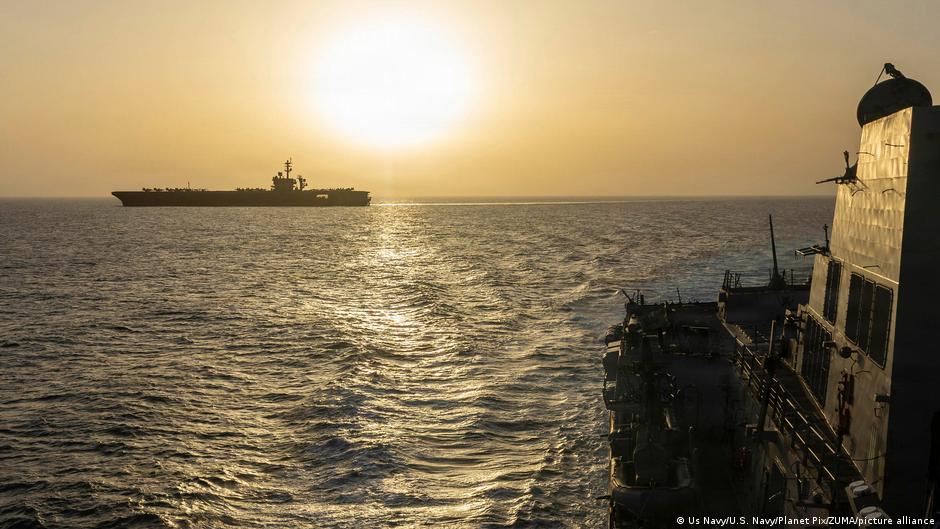
Diplomatic channels between the United States and Iran remain officially open following an extension of the ceasefire by President Donald Trump. However, peace talks are currently stalled with no new date set for resumption in Islamabad. While the US signals a desire to negotiate, Iranian officials have indicated there are no immediate plans to engage with Washington.
Amidst this diplomatic impasse, Tehran is actively leveraging the Strait of Hormuz as a strategic tool to gain time and influence. Reports indicate that initial toll payments for transiting vessels have been deposited into Iran's central bank, reportedly facilitated via Chinese yuan and a Chinese maritime services intermediary. This development marks a new revenue stream for the regime as it capitalises on global dependence on Persian Gulf energy exports.
Experts suggest the current standoff is a strategic game of patience rather than a traditional military conflict. Iran holds a tactical advantage by controlling the flow of oil and gas through the strait, capable of triggering economic disruption through threats of blocking the waterway or deploying drones and mines. Mere threats of such actions can cause shipping companies to withdraw and insurers to drop coverage, creating prolonged risk for global markets.
Despite facing military setbacks, Iranian leaders appear to be prioritising ideological goals over domestic needs, building capabilities while the US contends with rising internal pressure. The Washington Institute for Near East Policy notes that the Iranian regime is prepared to prioritise its ideological mission of regional dominance over the needs of its population, imposing significant hardships on its own people to achieve internal consolidation.
In contrast, the United States faces escalating political and economic costs as the duration of the conflict extends. Experts warn of rising fuel prices and insecurity gripping financial markets, creating a scenario where time is working in Tehran's favour. This dynamic contradicts narratives that the Iranian regime has been decisively weakened, pointing instead to a purposeful build-up of capacities to maintain leverage.
The situation has introduced a new dimension to the long-standing flashpoint of the Iranian nuclear program. Analysts describe a potential "disguised defeat" for the US, where Iran maintains elements of its nuclear program and the capability to threaten the strait while Washington struggles with the mounting societal and political costs of the war.