Immigration court ruling forces Home Office to rethink Albania deportations
New country guidance requires the department to account for widespread corruption and the lack of shelters for adult male victims, a significant hurdle for the government’s removal targets.
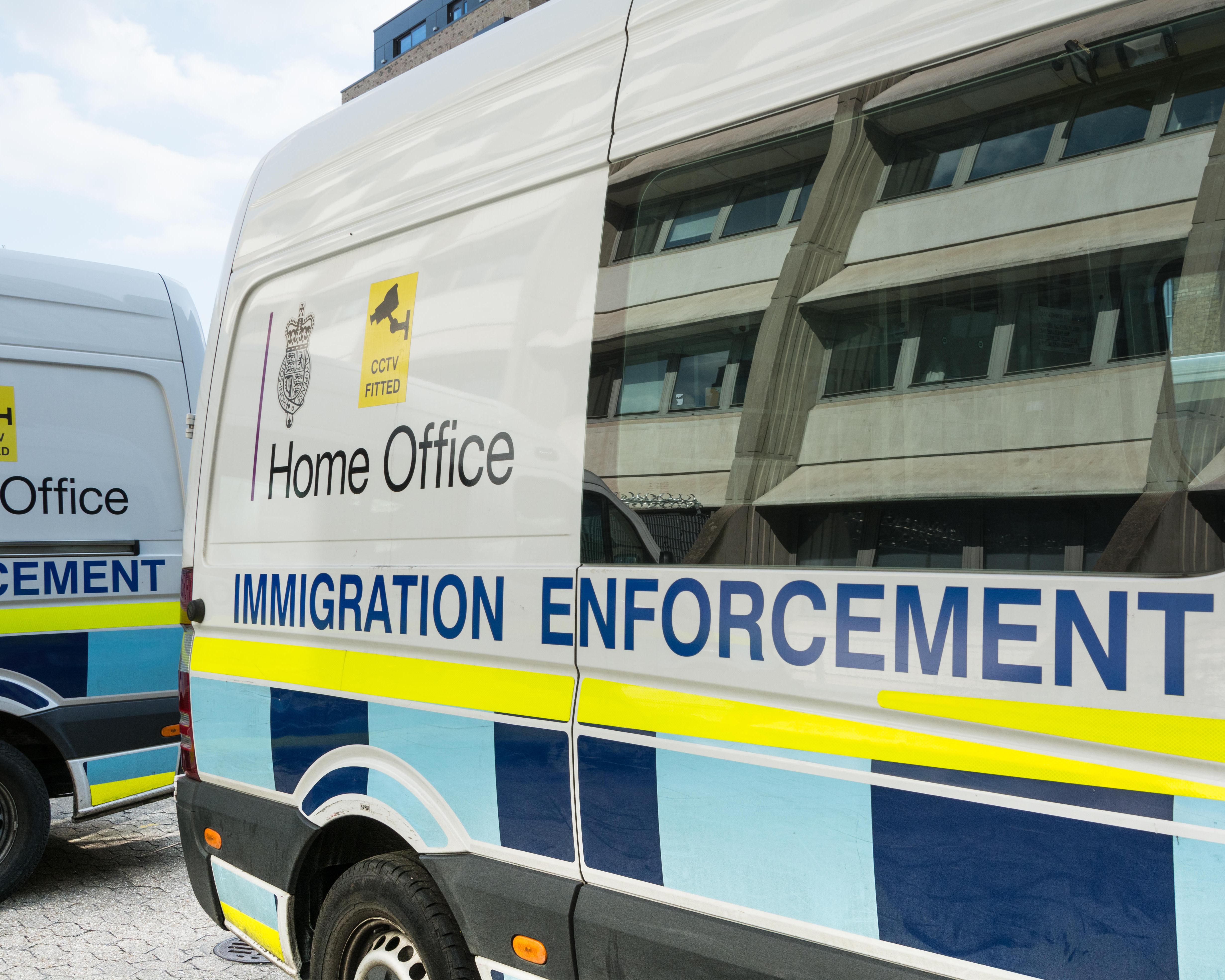
The Home Office may face a significant obstacle to its deportation programme after the upper tribunal of the immigration court accepted the asylum claim of a 21-year-old Albanian man. The ruling, delivered by a panel of three senior judges, establishes new country guidance that the department must consider before returning male trafficking victims to Albania. This development is likely to complicate the government’s efforts to increase the number of people it removes from the UK.
The claimant was first exploited by an Albanian gang in Belgium at the age of 16, before being sold to another gang that brought him to the UK to work in cannabis farms. Although he was later recognised as a victim of trafficking, his initial asylum application was denied on the basis that Albania was considered a safe country of origin. The tribunal found that despite five years having passed since his initial exploitation, he remained at “real risk” from his traffickers and could not safely return.
The judgment highlights a shift in the demographics of trafficking into the UK. Data disclosed in the court case indicates that Albanian males are now the primary group trafficked into the country, mainly for the drugs trade, overtaking females who were previously the major victims. In 2022, 4,107 Albanian males were referred to UK services over potential trafficking, compared with 502 women. By 2023, these figures stood at 3,463 males and 588 females.
The new guidance requires the Home Office to acknowledge that while Albania has made progress, corruption remains a widespread problem. Crucially, the court noted that there are no dedicated shelters for adult male trafficking victims in Albania, and the risk of victims being re-trafficked upon return is significant. This challenges the department’s previous contention that returnees would be safe, a position that has led to many potential or confirmed victims being sent back.
The ruling is a blow to the government’s removal targets, as Albanians have been the most common nationality forcibly removed from the UK in the last five years. According to UK government figures, 2,247 Albanians were deported in the 12 months to the end of March, accounting for a quarter of all enforced returns. The Home Office is currently considering whether to apply for permission to appeal the decision.
Islington Law Centre, which represented the claimant, highlighted specific practices used by gangs, including videoing sexual abuse of child victims to threaten release on social media and inflicting physical injuries such as broken bones. Esme Madill, a solicitor at the centre, stated that the risks recognised in the judgment accord strongly with the experiences of the young survivors they represent.