Guardian seeks first-hand accounts as £100m homelessness pledge lands
The Guardian is calling for input from formerly homeless people in England to determine which interventions successfully secure permanent accommodation, coinciding with fresh government funding and winter targets.
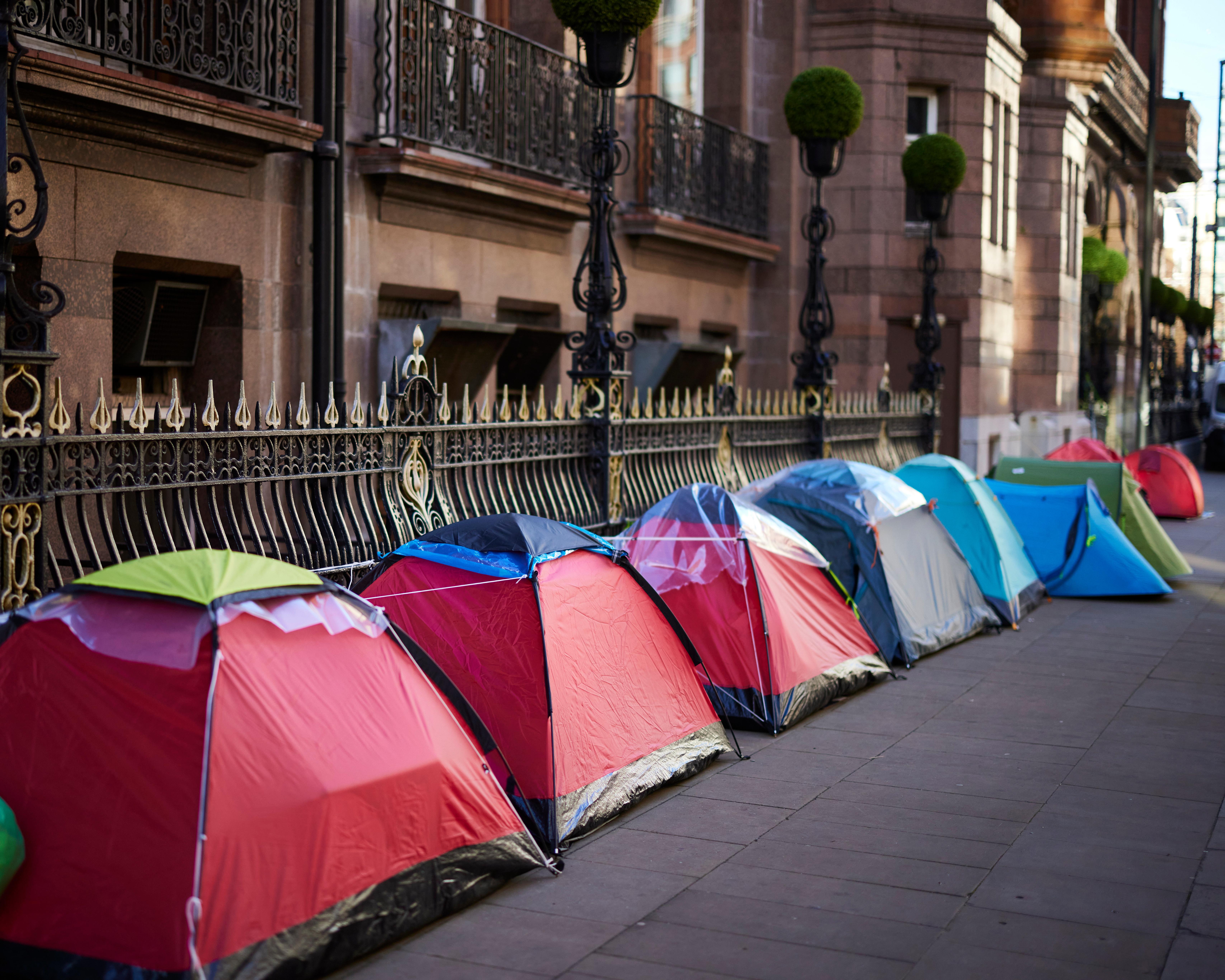
The Guardian has issued a public call for responses from individuals who have previously experienced homelessness in England, seeking to identify the specific mechanisms that enabled them to secure permanent accommodation. The consultation asks respondents to reflect on whether their exit from the streets was facilitated by government initiatives, charitable support, assistance from friends and family, or a combination of these factors.
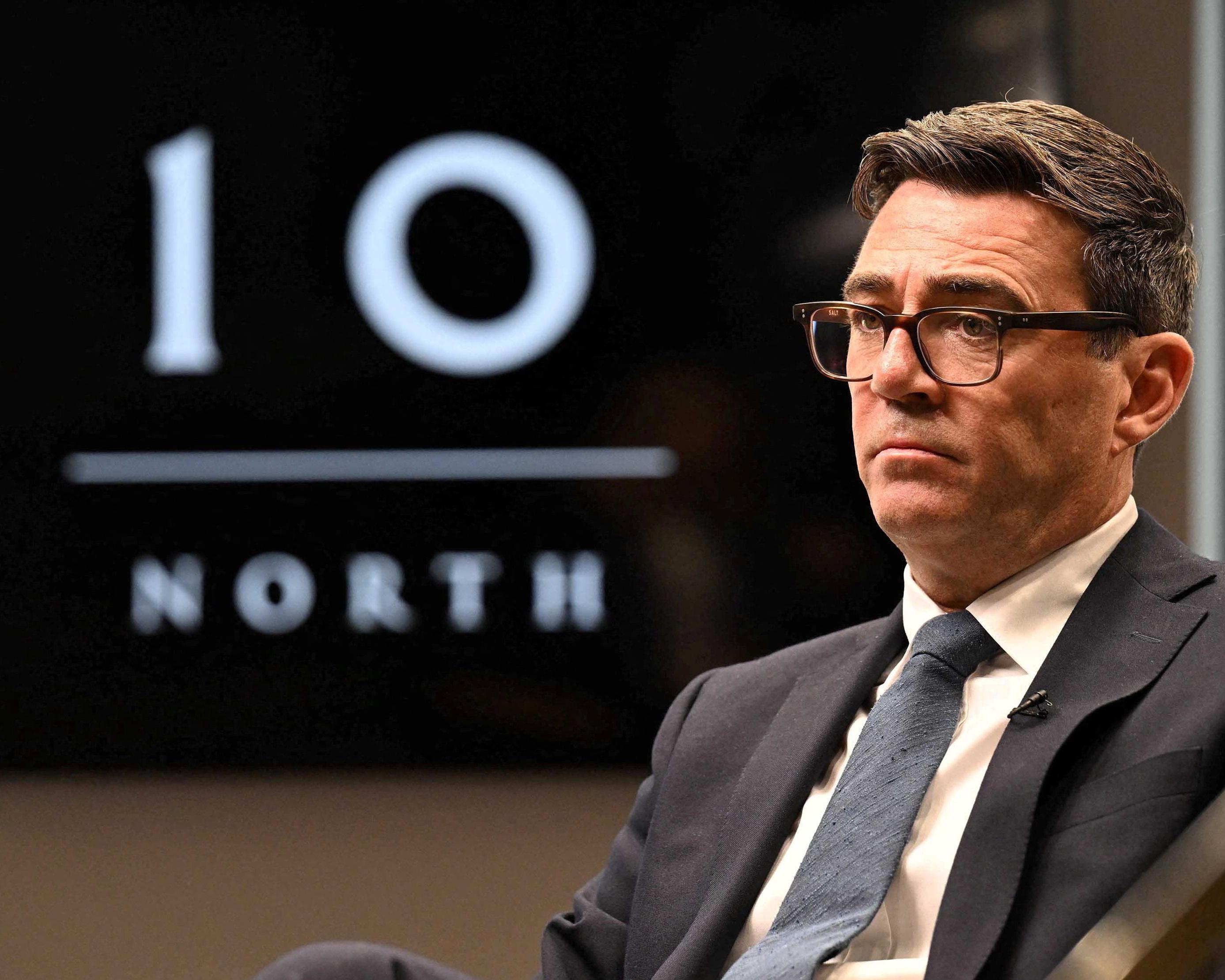
This inquiry arrives at a pivotal moment for housing policy, with Andy Burnham pledging an additional £100 million to end street homelessness. Burnham has urged local leaders to provide a clear route off the streets for all rough sleepers in England by Christmas, framing the issue as a central policy priority for his government.
The Prime Minister has also committed to mounting a “Covid-style campaign” to address rough sleeping this winter. In justifying the urgency of the initiative, the Prime Minister argued that rough sleeping has become so prevalent that it now “feels like part of the scenery”.
The Guardian’s call for input aims to move beyond statistical data by gathering first-hand accounts of the homelessness experience. Respondents are invited to share not only what helped them leave the streets but also how they look back on that period of their lives.
To accommodate various preferences and privacy needs, the publication has established multiple channels for submission. These include a standard online form, a WhatsApp messaging option, and a Secure Messaging service designed for fully anonymous communication.
The timing of the consultation suggests a strategic effort to align public narrative with the government’s immediate winter targets. By soliciting evidence of what works at the individual level, the inquiry may provide a benchmark against which the effectiveness of the new £100 million pledge and winter campaign can be measured.