ICC member states vote to dismiss Chief Prosecutor Karim Khan
A large majority of the 125 member states of the International Criminal Court voted on Friday to remove Karim Khan following an oversight report that found he committed serious misconduct, including a sexual relationship with a subordinate.
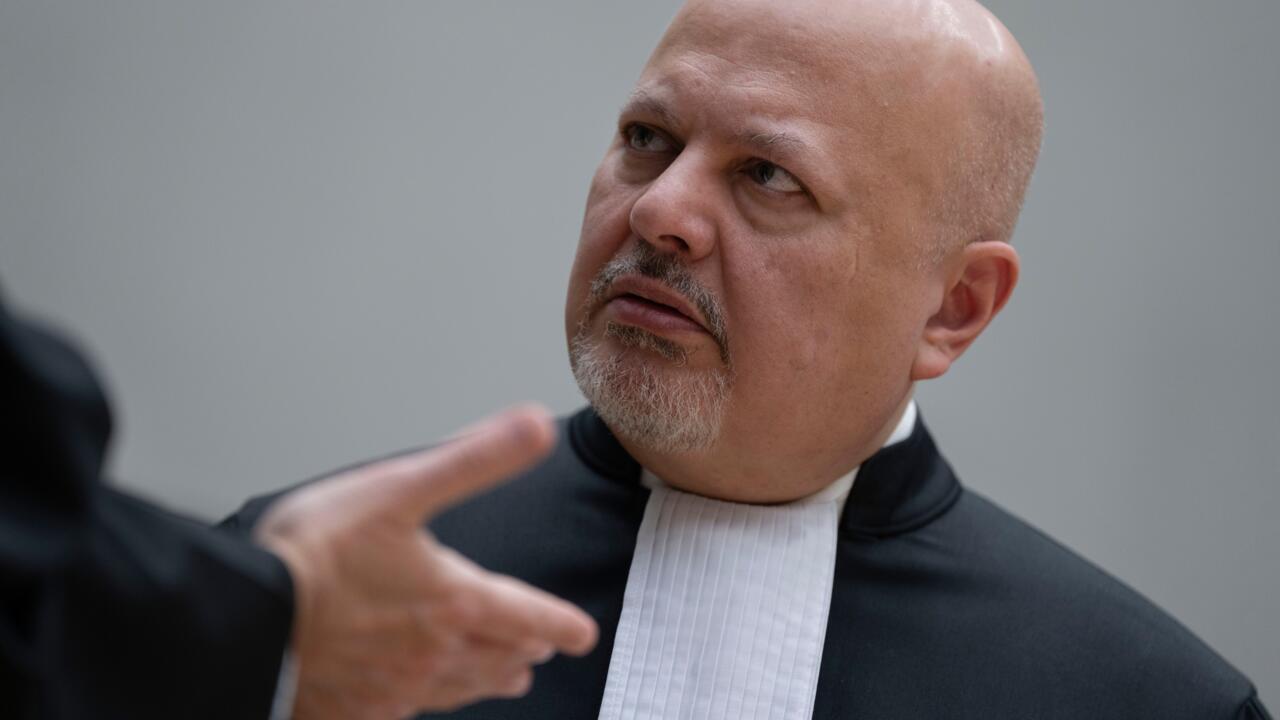
Member states of the International Criminal Court (ICC) voted on Friday to dismiss Chief Prosecutor Karim Khan, marking the first time in the tribunal’s history that a chief prosecutor has been removed from office. The decision, approved by a large majority of the 125 member states, concludes a protracted disciplinary process that began nearly two years ago when allegations of sexual misconduct first emerged.
The vote followed a report by the executive committee of the court’s oversight body, which concluded that Khan had committed serious misconduct. Documents reviewed by news agencies indicate that Khan engaged in a sexual relationship with a female aide and attempted to suppress her complaints. Khan, a 56-year-old British barrister, has steadfastly denied the allegations throughout the proceedings. He was temporarily suspended from his duties in June pending the outcome of this vote.
The dismissal occurs against a backdrop of intense political pressure on the ICC. Khan was absent from the closed-door proceedings as he is barred from entering the United States due to sanctions imposed by the Trump administration. These sanctions were enacted in response to the ICC’s 2024 issuance of arrest warrants for Israeli Prime Minister Benjamin Netanyahu and former Defence Minister Yoav Gallant for crimes against humanity, a move that sparked significant backlash from Israel and the US.
Several key member states publicly declared their support for the removal prior to the vote. The Netherlands, France, and Norway announced their positions ahead of the meeting. Norway’s deputy foreign minister, Andreas Motzfeldt Kravik, stated that it had been proven beyond reasonable doubt that Khan’s conduct constituted sexual harassment and abuse of power. Dutch Foreign Minister Tom Berendsen indicated in a letter to Parliament that there was sufficient support to remove Khan, aligning with the recommendation of the Assembly of State Parties.
Early in the session, a motion brought by Sierra Leone to make the removal process more difficult failed, allowing diplomats to proceed with the vote several hours ahead of schedule. The court’s host state, the Netherlands, voted for removal, as did France and Norway. Päivi Kaukoranta, president of the Assembly of State Parties, described the vote as a private matter necessary to address a complex and sensitive disciplinary issue within the court’s governance framework.
The lengthy and complicated process has pitted human rights advocates, staff, and member states against one another. The ICC, established to prosecute individuals responsible for humanity’s worst crimes, is currently facing daunting challenges, including a concerted campaign by the US to dismantle the institution. The removal of Khan represents a significant institutional shift as the court navigates these geopolitical headwinds.