Head-on train collision on North Zealand line leaves five critically injured
Emergency services respond to early morning derailment between Hillerød and Kagerup; Accident Investigation Board launches probe into cause
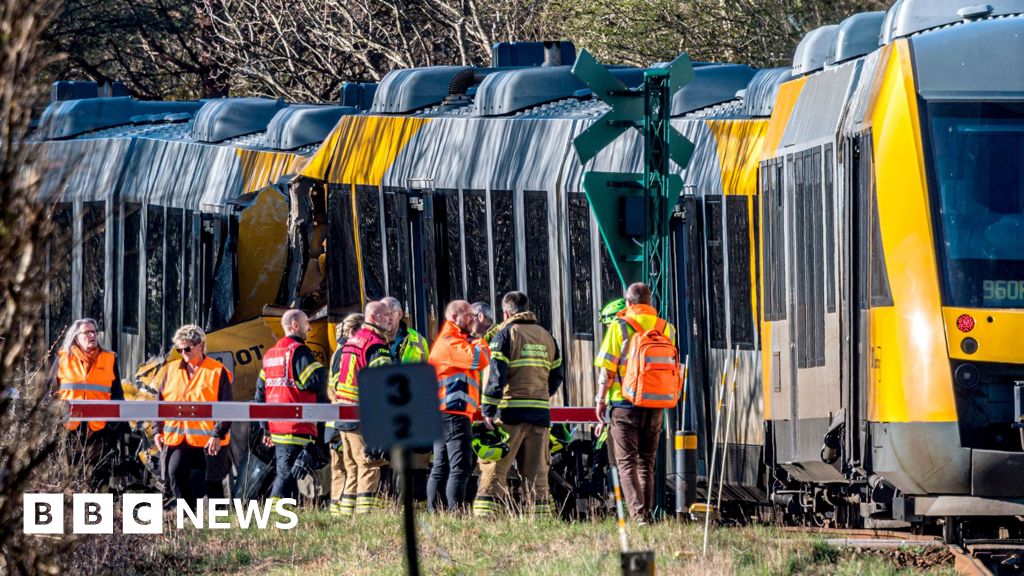
Two trains collided head-on at a level crossing north-west of Copenhagen on Thursday morning, an incident that has prompted immediate concern regarding railway safety infrastructure in the region. The crash occurred on the line linking the towns of Hillerød and Kagerup in North Zealand, with a total of 38 people on board the two yellow and grey trains at the time of the impact.
Emergency services, including the Greater Copenhagen fire department, attended the scene immediately following the collision at 06:29 local time. Five individuals sustained critical injuries and were transported to the National Hospital in Copenhagen, while twelve others suffered minor injuries. The injured were moved via both air and ground ambulances to ensure rapid medical attention for those in critical condition.
Local authorities have described the event as deeply shocking, particularly given the heavy reliance on the track by residents, workers, and students in the Gribskov municipality. Mayor Trine Egetved of the municipality emphasised the severity of the accident, noting that such a head-on collision on a local line was unexpected and must never occur again.
The Accident Investigation Board arrived at the scene during the morning to assist police in determining the cause of the disaster. Inspector Morten Pedersen of North Zealand police confirmed that it is currently too early to establish the definitive cause, though speculation suggests a driver may have over-ridden a stop signal. This theory remains unconfirmed by official sources as the investigation proceeds.
A significant policy concern highlighted by the incident is the safety configuration of the specific railway line involved. Reports indicate that the Gribskov line is not equipped with an automated safety system, a factor that experts believe may have contributed to the risk of the collision. Rail accidents are described as rare occurrences in Denmark, making this event an anomaly that warrants a thorough institutional review.
Public broadcaster DR released images showing the two trains with visible front-end damage facing each other in a wooded area, underscoring the force of the impact. As the investigation continues, the focus remains on understanding how the collision occurred and what measures can be implemented to prevent future incidents on lines without automated safety protocols.