Gulf states arrest over 1,000 for documenting Iranian strikes on US bases
Amnesty International reports severe crackdowns across Bahrain, Kuwait, UAE, Qatar, Saudi Arabia and Jordan, while the US prohibits satellite firms from releasing updated imagery.
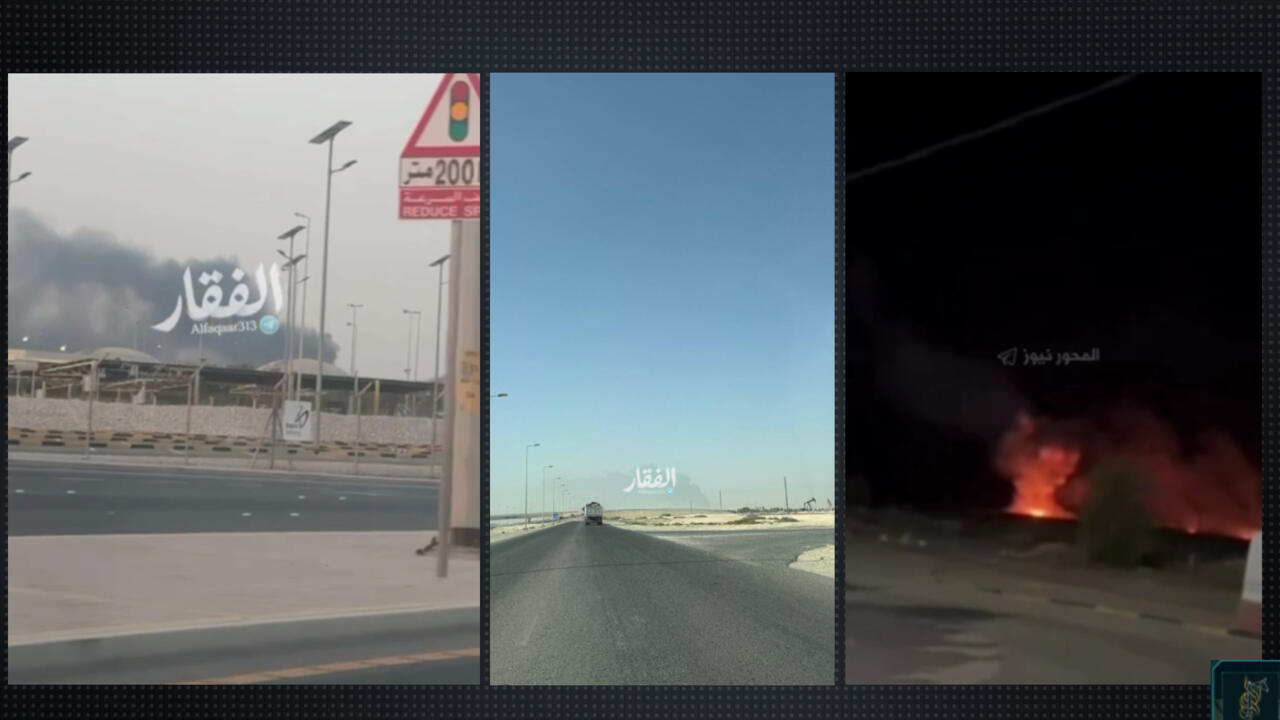
Since the conflict between Iran and the United States began on 28 February, authorities in Jordan and Gulf states allied with Washington have arrested more than 1,000 individuals for attempting to document Iranian strikes on US military sites. Governments in Bahrain, Kuwait, Saudi Arabia, Qatar, the United Arab Emirates and Jordan have implemented repressive measures to control the narrative, including blanket bans on filming, prison sentences and the revocation of citizenship for hundreds of residents.
According to Amnesty International, the crackdown has targeted residents, journalists, tourists and expatriates across the region. Mahmoud Shalaby, a regional researcher at the organisation, stated that Gulf countries have used the war as a pretext to expand restrictions on freedom of expression that predated the conflict. He noted that blanket bans on sharing images go far beyond international human rights standards regarding legality, necessity and proportionality during armed conflict.
Specific enforcement actions have varied by jurisdiction but share a common objective of suppressing visual evidence. In Bahrain, between 20 and 26 May, over 300 people were arrested, with at least 34 receiving prison terms of three to 10 years for sharing images on Instagram. Kuwait saw over 200 people receive suspended sentences or prison terms of one to 10 years between April and May. The UAE announced the arrest of 375 people in March, during which police conducted door-to-door searches and phone inspections in areas hit by drones.
Beyond detention, authorities have utilised citizenship revocation as a punitive tool. Bahrain revoked the citizenship of 69 people for expressing sympathy with Iranian attacks or engaging with external parties, while Kuwait stripped more than 1,000 people of their citizenship without providing reasons. These measures have significantly hindered the ability of media and researchers to document the impact of Tehran’s attacks on allied territories.
Despite official claims that Iranian attacks were fully intercepted, independent verification has contradicted these denials. Satellite imagery and geolocated footage have revealed damage to bases in Bahrain and Qatar. For instance, Sentinel-2 satellite images from 7 and 12 July show evidence of a direct hit on Al Udeid, a US military base in Qatar. Similarly, footage from 11 July confirmed an attack on Al-Isa Airbase in Bahrain, verified by NASA fire detection satellites and Sentinel-2 imagery, despite Bahraini government claims of interception.
The US administration has also contributed to the opacity surrounding the conflict. The Trump administration has prohibited satellite-imagery companies from providing updated images of these countries, limiting independent oversight. Investigations indicate that the US has concealed the extent of missile and drone attacks on US bases and withheld the true number of US soldiers injured. This restriction has forced journalists to rely on lower-resolution European satellite services, Iranian imagery and rare, short videos posted online despite the risks.
Analysts suggest that Gulf states are concealing the impact of attacks to counter domestic criticism regarding the presence of US bases and to protect their image as safe havens for foreign investment and tourism. However, the combination of domestic repression and international information control has created a significant barrier to verifying the true scale of the conflict’s impact on the region.