Gulf conflict triggers mass repatriation of Indian nationals and strains regional trade corridors
Policy analysts warn that the Iran war is eroding the Gulf's status as a primary employment hub for India, creating immediate economic ripple effects in states like Kerala
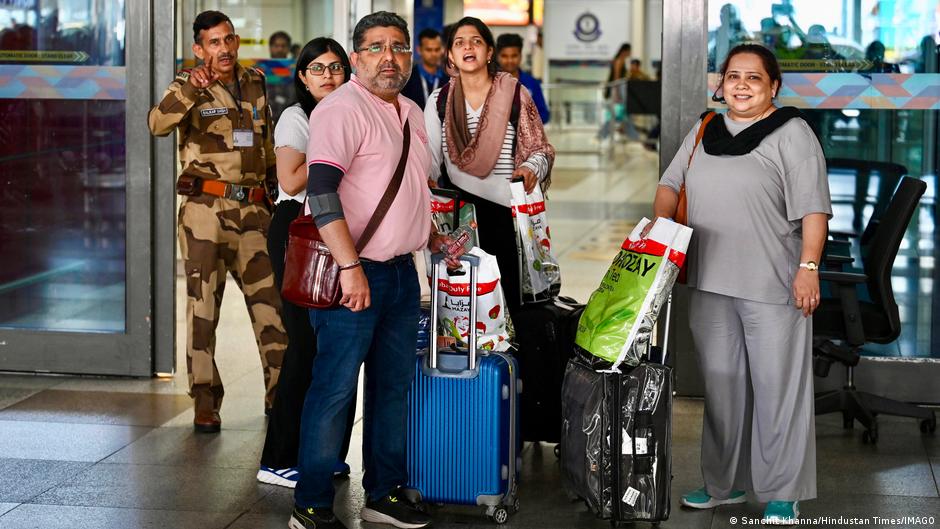
The ongoing conflict in the Gulf has precipitated a significant exodus of Indian nationals, with approximately 984,000 individuals departing the region between late February and mid-April 2026. According to data from India's Ministry of External Affairs, this figure encompasses migrant workers, students, and other vulnerable groups. While the Ministry reports that its efforts remain focused on safety through dedicated control rooms, the departure marks a sharp contraction in the region's labour force, which had previously relied heavily on Indian expatriates across construction, hospitality, and logistics sectors.
The primary drivers of this mass movement are the closure of airspace and severe disruptions to shipping routes, particularly through the Strait of Hormuz. These logistical bottlenecks have stalled major projects and forced airlines to cut flights, leaving hotels empty and retail sectors struggling. The economic transmission mechanism is already visible; for instance, shipping cargo from Dubai to Kochi now incurs costs 30 per cent higher than pre-conflict levels due to rerouted vessels. This surge in logistics expenses compounds the financial strain on businesses and individuals alike.
Domestically, the economic fallout is concentrating in Kerala, India's largest recipient of remittances. With nearly 90 per cent of the state's roughly 2.2 million overseas workers located in the Gulf, the decline in inflows is directly dampening domestic consumption. Local businesses dominated by families of Gulf migrants report a dip in sales, signalling that the conflict is beginning to weigh on the broader Indian economy beyond the immediate diaspora. Experts caution that a prolonged war will accelerate these trends, eroding the trust previously held in Gulf nations as a secure employment destination.
The human cost of this policy shift is exemplified by the experience of returning professionals facing a critical skills mismatch. Reddy, a former instrumentation technician in Oman, found that his Gulf-specific certifications in pressure systems and safety compliance hold little value in the Indian market. Upon returning to Visakhapatnam, he discovered that the nearest refinery is not hiring, forcing him to seek employment in unrelated sectors. This phenomenon suggests that the exodus is not merely a temporary pause but a structural disruption for the skilled labour force.
Looking ahead, economists warn of a potential labour shock that could spill into wider regional stress, including rising debt and underemployment. Anil Wadhwa, a former ambassador to Oman, noted that while there is no sudden exodus yet, a drawn-out conflict could trigger significant job losses and push many families to return. The Gulf's role as India's employment safety valve may weaken as the conflict reshapes opportunities in the region, with the economic shock moving from the horizon to the immediate present for many workers.