Global trade partners reject US forced labour tariffs as Washington imposes new levies
International allies and adversaries alike have challenged the Trump administration’s latest trade measures, with Canberra and Wellington dismissing allegations while Beijing and New Delhi raise concerns over unilateralism and differential treatment.
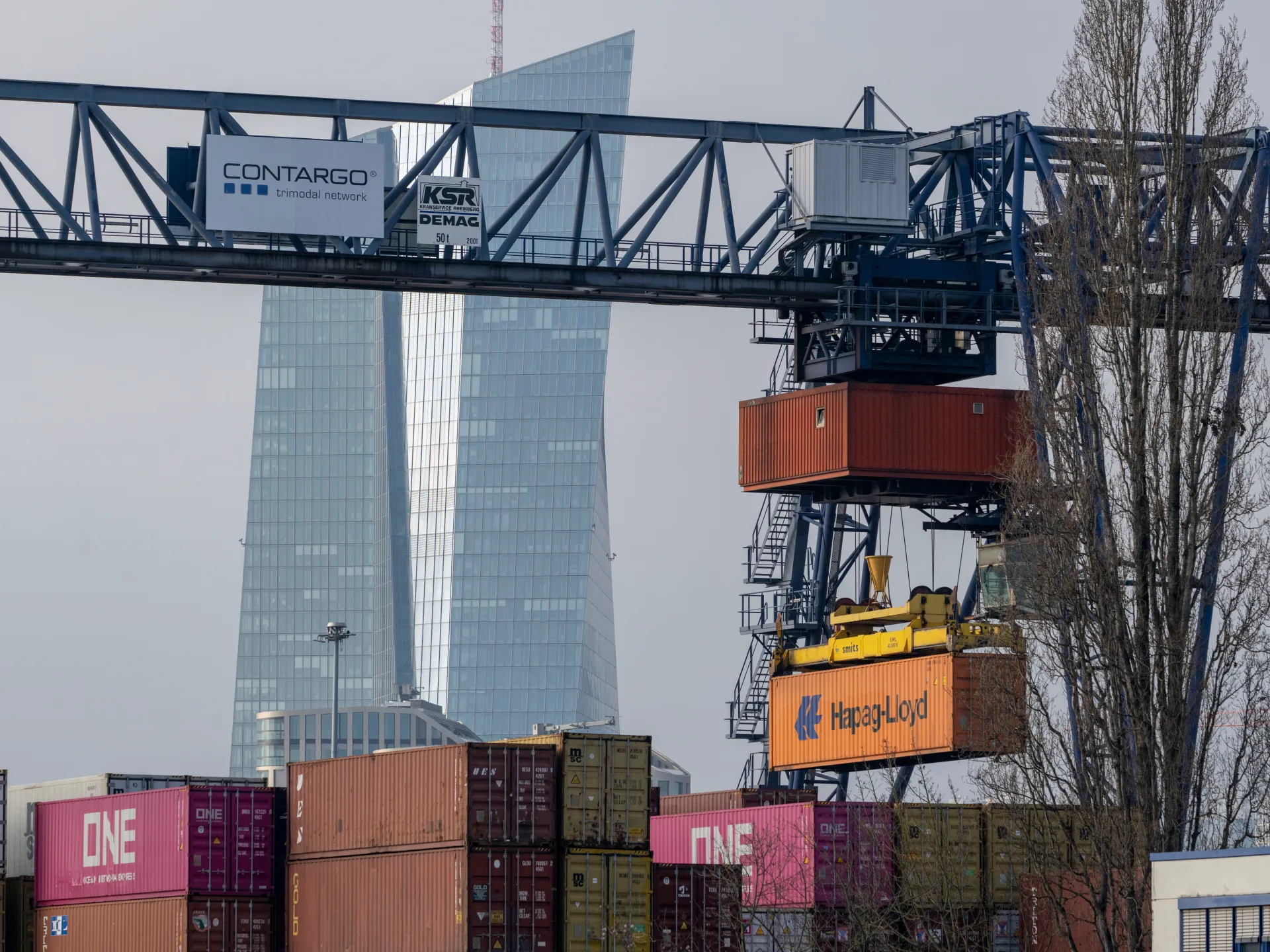
The United States has imposed new tariffs ranging from 10% to 12.5% on more than 80 countries, citing failures by partner nations to adequately restrict imported goods made with forced labour under Section 301 of the Trade Act of 1974. The measures took effect on Friday, coinciding with the expiration of a previous 10% global tariff that reached its legal time limit on Thursday night.
Australian Trade Minister Don Farrell firmly rejected any claims linking Australia to forced labour, noting that the nation takes the issue of modern slavery seriously. Farrell stated in Adelaide that Australia would continue to lobby the United States to remove the tariffs, emphasising that the country’s regulatory frameworks are robust.
New Zealand Prime Minister Christopher Luxon described the levies as “extremely disappointing,” arguing that the US investigation lacked meaningful evidence to support the allegations. The UK government, meanwhile, indicated that the tariffs would have no negative impact on its exports, citing previous exemptions and US recognition of the UK’s steps to prevent complicity in forced labour within global supply chains.
In Asia, Japan’s Chief Cabinet Secretary Minoru Kihara objected to the claims, noting that Japanese industry operates in accordance with international norms. However, Tokyo confirmed with Washington that total tariffs would not exceed the 15% cap established in a trade agreement reached last year. China’s Ministry of Foreign Affairs rebuked the 12.5% levy, with spokesman Lin Jian reiterating that tariff wars serve no party’s interests.
The European Commission expressed cautious optimism, stating that the outcome aligns with US tariff commitments agreed under the EU-US Joint Statement. In contrast, Indian textile exporters raised concerns over differential treatment, with the Confederation of Indian Textile Industry warning that India’s exclusion from certain tariff exemptions on US cotton products risks diverting sourcing orders away from the country.
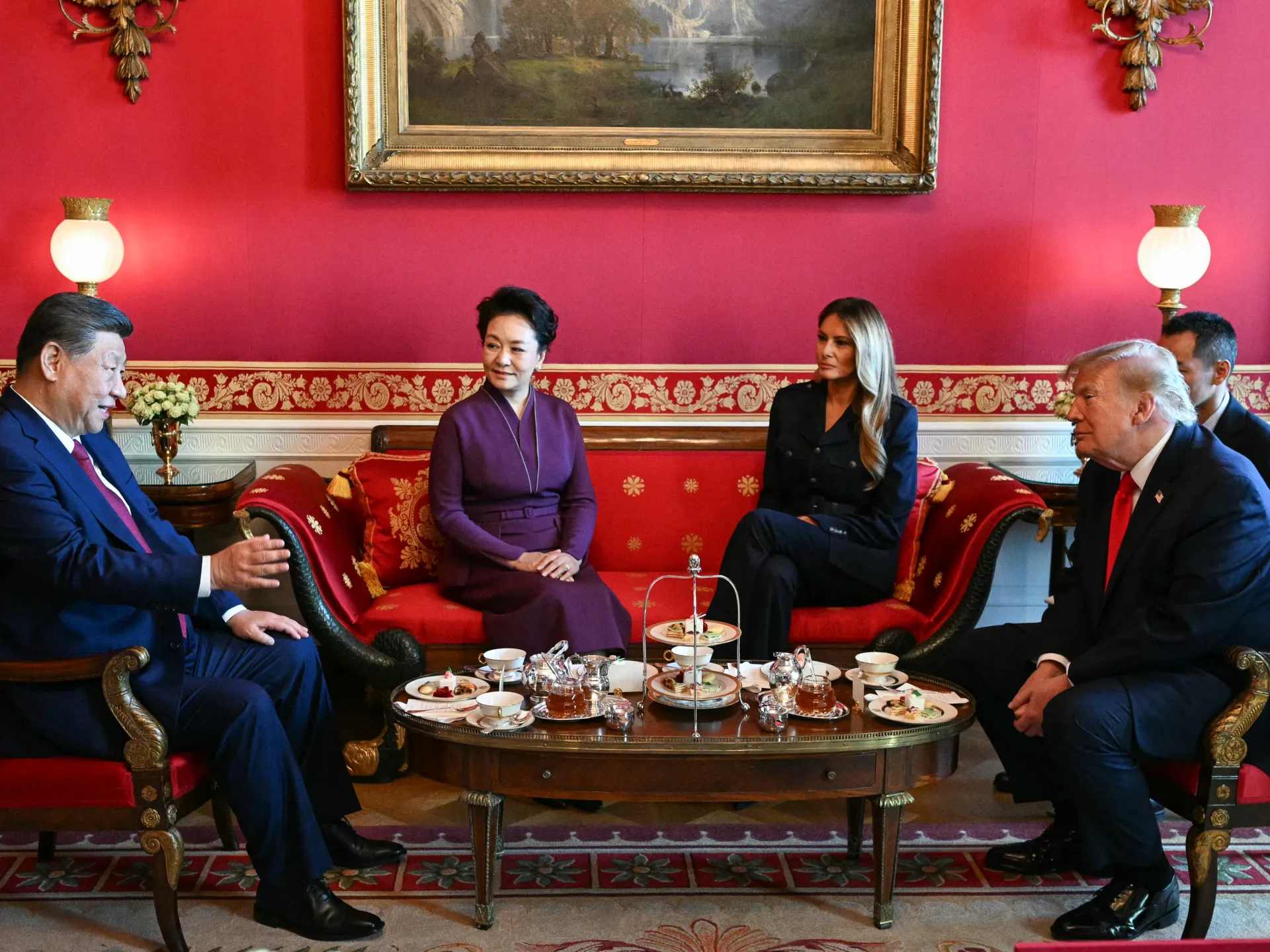
These developments occur against a backdrop of aggressive US trade policy aimed at jumpstarting domestic manufacturing, despite previous legal setbacks such as the US Supreme Court deeming Trump’s signature reciprocal tariffs unconstitutional. President Trump and Chinese President Xi Jinping are expected to meet again in September, following discussions in Beijing last May that established new trade agreements.