Gaza’s Energy Siege Drives Refrigeration Crisis and Food Spoilage
With only 1 million litres of diesel entering Gaza in early June 2026, residents face escalating health risks as extreme heat and prolonged power cuts render refrigerators useless.
Gaza families are confronting severe difficulties in preserving food and medicine amid extreme heat and prolonged power cuts, a situation exacerbated by the ongoing Israeli siege. With fuel supplies critically low, refrigerators remain unused in displacement camps, leading to widespread food spoilage and increased risks of illness. Residents are forced to pay high costs for basic cooling services or repurpose appliances for storage, while UN agencies warn of escalating humanitarian risks.
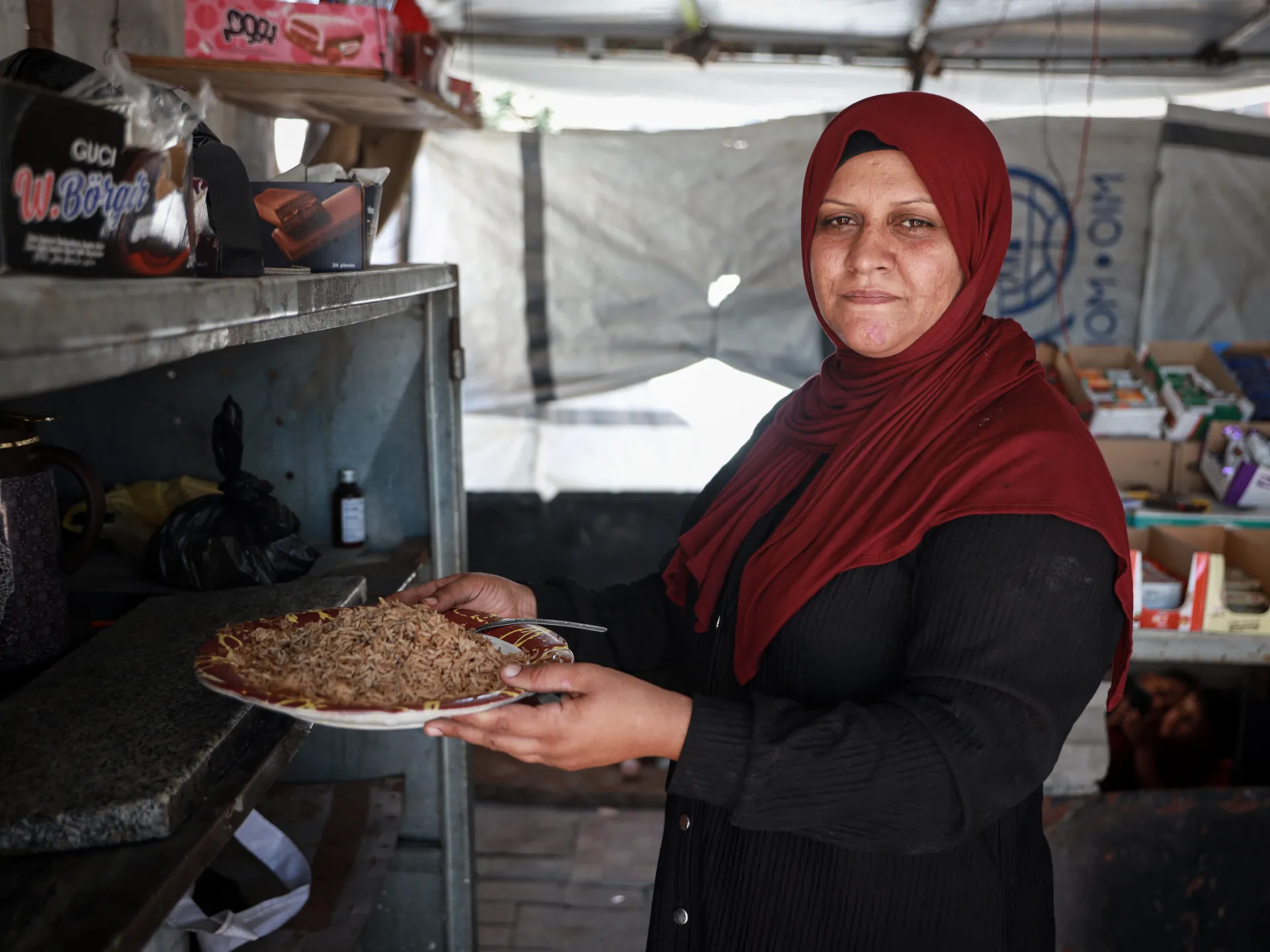
Malak al-Zaanin, a displaced mother of four living in a tent in Gaza City, illustrates the daily reality of this crisis. After receiving a tray of rice from a community kitchen, she faces the prospect of the food spoiling in the sweltering heat, as her refrigerator sits idle due to a lack of electricity. She has repurposed the appliance into a table and storage shelves for aid boxes, noting that the tent feels like an oven. “The children will be hungry again soon and ask for food,” she said. “By then, it will probably have spoiled because we don’t have a refrigerator.”
The United Nations Office for the Coordination of Humanitarian Affairs (OCHA) reports that only 1 million litres of diesel entered Gaza in early June 2026, a volume insufficient for life-saving operations. This energy deficit has disrupted electricity, water systems, and essential services, leaving countless families to manage the dual challenge of securing food and preserving it. UN agencies have previously warned that these conditions are increasing the risk of food-borne illnesses, particularly among displaced families who lack sanitation and are vulnerable to insects and rodents.
For those with medical needs, the lack of refrigeration is life-threatening. Manal Hamad, a mother of three with diabetes and heart disease, requires constant refrigeration for her medicine. She often pays others to keep her medication cool, but even these temporary solutions frequently fail; she recounted paying 10 shekels to refrigerate meat, only to find it spoiled later. “Cold water is a dream for me,” Hamad said, describing how drinking hot water from storage tanks causes her blood pressure to drop.
The scarcity of energy has also created a market for emergency cooling services, though the costs are prohibitive for most. Mohammed al-Zaanin, a displaced driver in central Gaza, runs a business charging phones and selling chilled drinks using a diesel generator. He charges approximately 1,500 shekels ($488) per month to run a freezer and 1,300–1,400 shekels ($423-$456) every 10 days for electricity, with power costing about 35 shekels ($11.39) per kilowatt. Despite the high fees, demand is relentless, with residents bringing single items like a mango to be cooled, highlighting how basic necessities have become luxuries.
Nidal Rafeeh, a resident of the Zeitoun neighbourhood, has turned his idle refrigerator into a cupboard for canned food and personal belongings. He noted that the siege has led to massive inflation, forcing his family to cook single meals to avoid wasting leftovers. “Things that were once necessities have become things we pay extra for,” Rafeeh said, citing the additional costs for water, phone charging, and cooling food. As the energy crisis persists, the humanitarian outlook remains dire, with families struggling to maintain hygiene and nutrition in the face of endemic food insecurity.