French Court Upholds Assisted Dying Law, Vets Out Teen Social Media Ban
Rulings clarify conscience clauses for medical providers while striking down under-15 social media restrictions over privacy and verification concerns
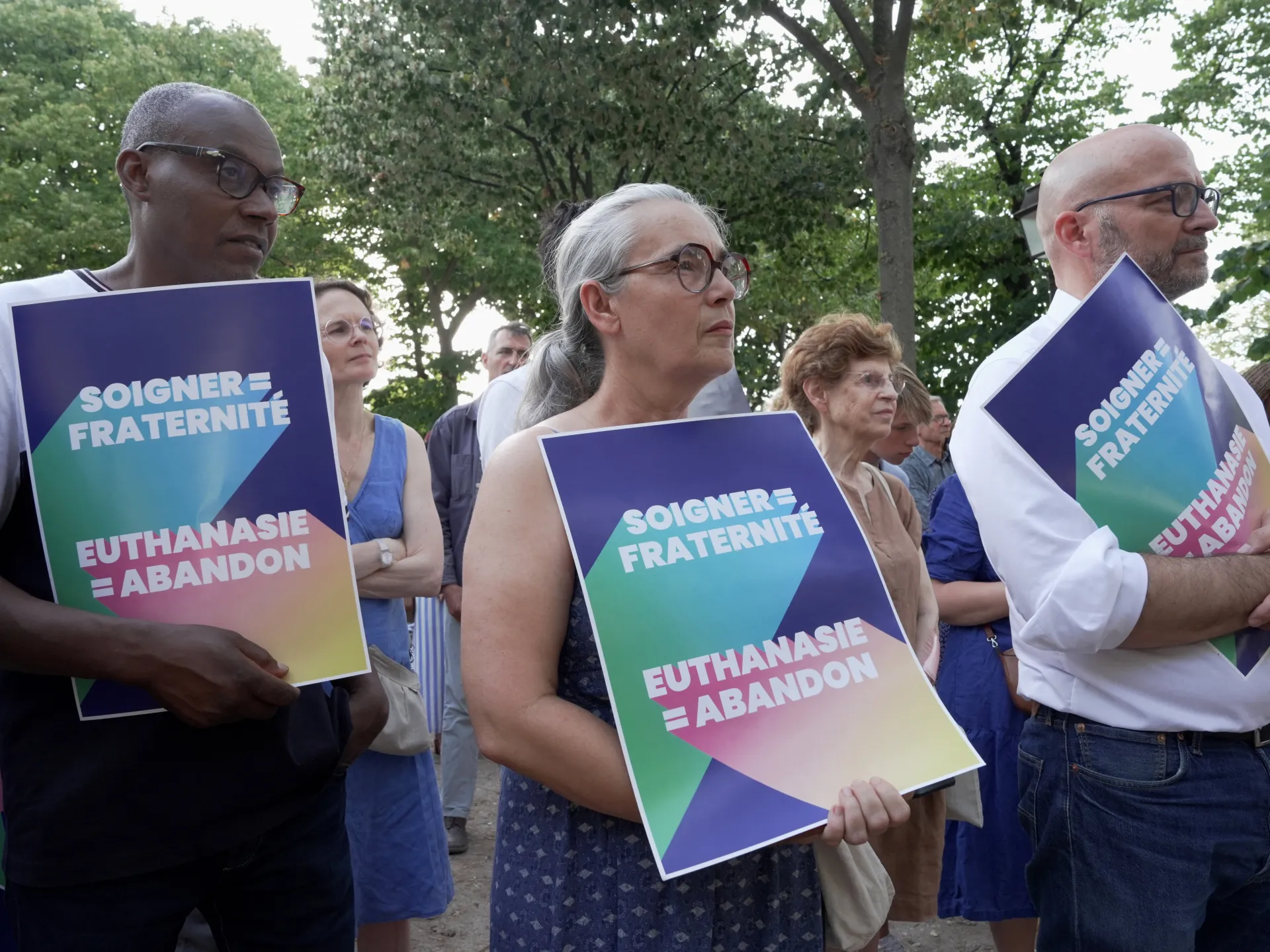
France’s Constitutional Council has delivered a dual verdict on President Emmanuel Macron’s recent legislative priorities, upholding the country’s assisted dying law while striking down legislation designed to ban under-15s from social media. The rulings, issued on Friday, represent a significant institutional check on the executive’s agenda, offering a victory for bioethics reform while dismantling a flagship digital policy.
The Council upheld the assisted dying legislation passed by the National Assembly last month, which legalises medical support for ending lives under strict conditions. The law applies to patients with incurable, life-threatening illnesses in an advanced or terminal phase that cause constant, untreatable, or unbearable physical or psychological suffering. To join European nations such as Belgium, Germany, and Luxembourg in this legal framework, patients must exercise free and informed consent.
In its decision, the Council clarified three specific provisions to ensure constitutional compliance. These include a conscience clause allowing pharmacists to refuse participation, the right of private treatment centres to opt out based on their institutional mission, and a requirement to consider the opinion of welfare representatives for protected patients. Former Prime Minister Elisabeth Borne welcomed the validation, describing it as the culmination of a rigorous democratic effort that guarantees freedom of choice within a protective framework.
Conversely, the social media ban was invalidated due to insufficient legal safeguards regarding age verification and privacy. The Court noted that the legislation required all users, including adults, to prove their age to access services without specifying the conditions or limits of such verification. This lack of specificity failed to establish necessary protections for privacy and freedom of expression. The bill, originally scheduled to take effect in January 2027, was one of Macron’s key policy commitments ahead of next year’s presidential election.
Following the rejection, President Macron has directed Prime Minister Sebastien Lecornu to draft a new, legally robust version of the social media legislation. The government’s task is now to rewrite the bill to satisfy the Constitutional Council’s requirements. Meanwhile, human rights advocates such as Amnesty International have continued to urge policymakers to focus on regulating platform features, such as addictive algorithms, rather than imposing blanket bans on minors.