Colombia’s earthquake toll rises to 285 as rescue efforts pivot to debris clearance
Nearly four days after a 7.4-magnitude quake struck western Colombia, authorities have confirmed 285 deaths and 4,000 injuries, with hundreds still missing as rescue teams focus on a collapsed hotel in Pereira.
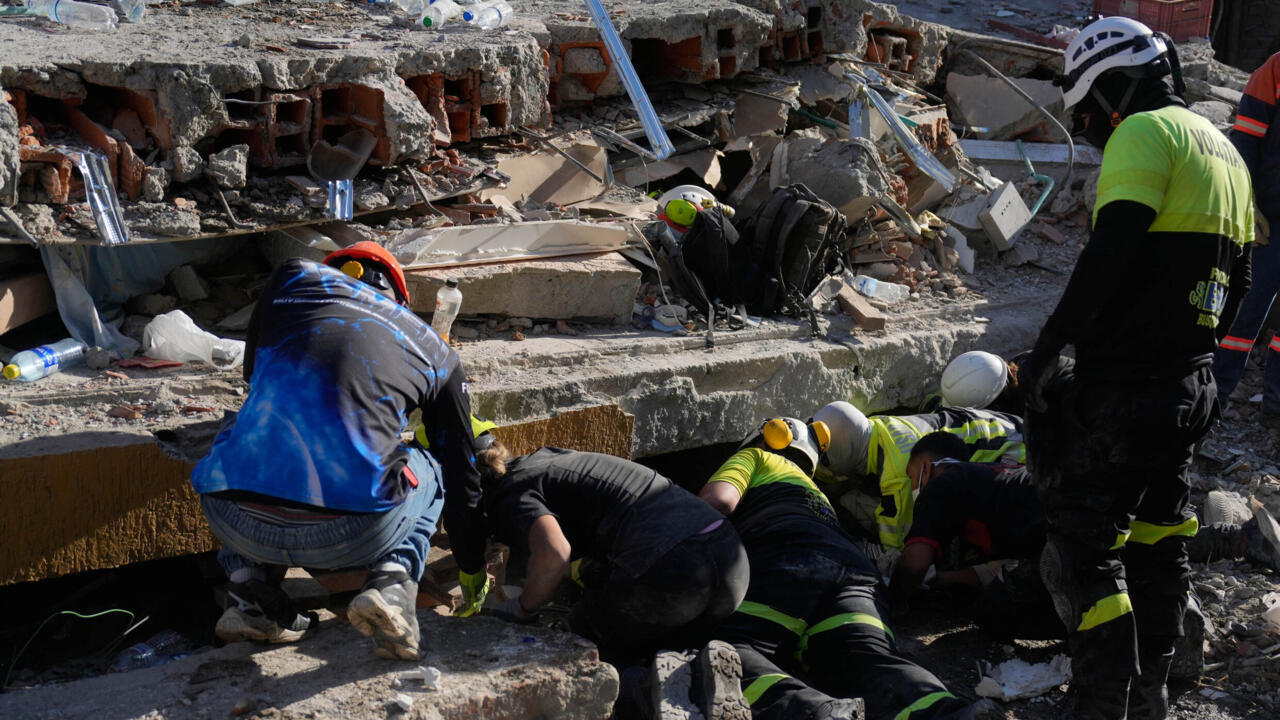
Colombian rescue teams are engaged in a critical operation in Pereira, attempting to extract a survivor trapped beneath a collapsed hotel nearly four days after a 7.4-magnitude earthquake devastated the region. The effort in the coffee-region city has become the focal point of the national disaster response, marking a shift from broad search operations to the systematic clearance of debris and the accounting of the missing.
Emergency crews worked through piles of concrete, brick, and twisted metal at the site on Friday. Rescuer John Bedoya told Caracol Television that while the window for survival is narrowing, there is reason for cautious optimism. "Possibly there are (still) people alive, we believe so," Bedoya said, noting that one or two individuals might still be alive within the structure.
The earthquake, which struck shortly after 7:30 am on Monday with its epicentre in San Jose del Palmar in the Choco department, has caused widespread destruction across western Colombia. The tremors toppled apartment blocks and damaged critical infrastructure, including schools and hospitals, stretching from the Pacific port of Buenaventura to inland cities such as Cali and Pereira.
Official figures released on Friday morning confirm that at least 285 people have been killed, approximately 4,000 injured, and nearly 400 remain missing. The government reported that tens of thousands of homes have been damaged or destroyed, forcing many residents to sleep in shelters or outdoors. Scores of aftershocks have continued to complicate rescue efforts and deter families from returning to compromised structures.
The United Nations refugee agency (UNHCR) has warned that the disaster could exacerbate existing humanitarian pressures in a country already grappling with conflict and migration. UNHCR spokesperson Eujin Byun stated in Geneva that the earthquake risks triggering fresh displacement for internally displaced people and refugees who are already attempting to rebuild their lives.
The crisis represents the first major test for President Abelardo De La Espriella, who assumed office just days before the quake. The administration has faced criticism regarding its initial handling of the emergency. In response, the President is scheduled to conduct flying visits to five affected locations on Friday, including Pereira, Cali, and Quibdo, to assess the situation and coordinate the government’s ongoing response.