France 24 International releases documentary marking 40th anniversary of Chernobyl disaster
The broadcast commemorates the worst-ever nuclear catastrophe by examining the evolution of the site four decades later
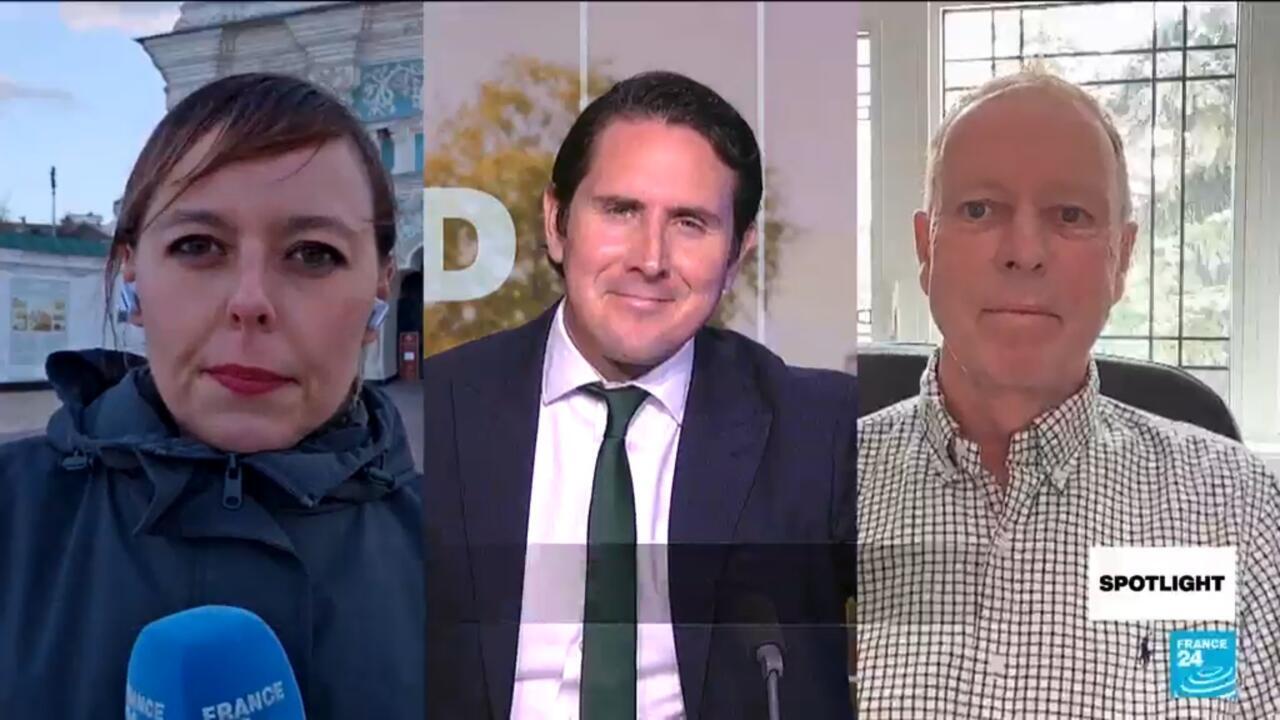
France 24 International has released a new documentary titled "Chernobyl: Two Takes, Then & Now. On the Ground 40 years on" to mark the 40th anniversary of the nuclear disaster in Ukraine. The film was published on 26 April 2026, exactly one year after the initial explosion at the Chernobyl power plant occurred in April 1986.
The production focuses on a comparative analysis of the site's history and its present state. By juxtaposing footage captured at the time of the reactor explosion with images taken today, the documentary highlights the physical and environmental changes within the exclusion zone over the last forty years.
This release serves as a significant commemorative event for the worst-ever nuclear catastrophe in history. The broadcast underscores the enduring legacy of the incident, which involved the detonation of a single reactor at the Chernobyl power plant in Ukraine.
While the specific narrative arc and interview content of the documentary are not detailed in the initial announcement, the core framing remains clear. The programme aims to provide a visual record of the region's transformation since the crisis that defined the era of nuclear safety failures.
The publication of this material by France 24 International aligns with broader efforts to document the long-term impacts of the event. It offers a structured look at how the exclusion zone has been managed and perceived since the immediate aftermath of the explosion.
Governance and policy responses to such disasters often evolve over decades, and this film provides a visual timeline of those shifts. The broadcast stands as a formal institutional record of the anniversary, relying on the historical consensus that the 1986 event remains the most severe nuclear catastrophe recorded.