Four contenders enter race to succeed Antonio Guterres as UN secretary-general
The incoming leader will inherit a mandate to revitalise the organisation from the start of next year
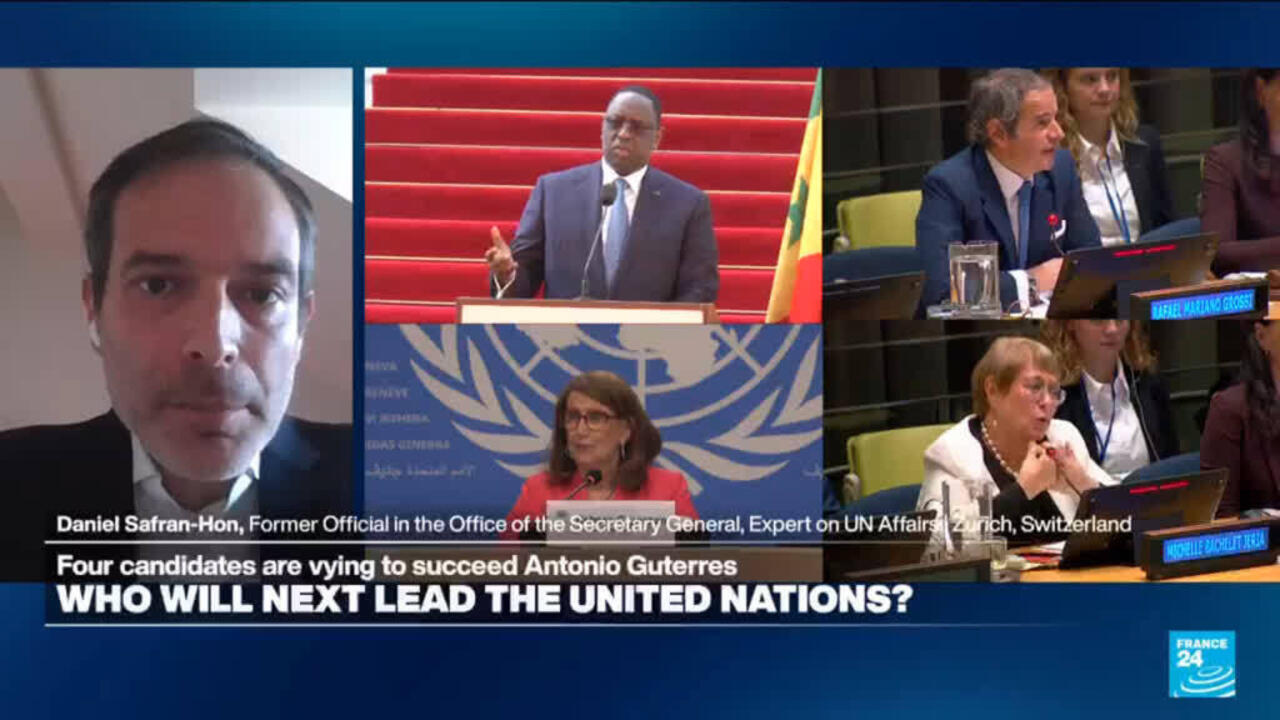
Four candidates have formally entered the race to succeed Antonio Guterres as United Nations secretary-general, with the victor expected to take office at the beginning of next year. The contenders, speaking during a recent event, vowed to revitalise the organisation through internal reform while maintaining its foundational mandates regarding peacekeeping and development.
This succession race comes as the United Nations faces a significant challenge in restoring its credibility. The institution is currently described as being in a state of crisis, with reporting indicating that its global influence has declined in recent years. The incoming secretary-general will inherit the daunting task of reversing this trajectory and re-establishing the body's standing on the world stage.
The dual strategy proposed by the candidates focuses on balancing structural change with the preservation of core principles. While specific names of the contenders and detailed policy positions remain unconfirmed in the available reporting, the collective commitment to reform alongside the upholding of peacekeeping and development duties marks the central theme of the campaign.
Analysis provided by Daniel Safran-Hon, a former official in the Office of the Secretary-General and expert on UN affairs, highlights the gravity of the situation. Safran-Hon noted that the role is widely regarded as the world's most impossible job, given the complex institutional hurdles the new leader will face.
FRANCE 24's Oliver Farry reported on the developments, noting that the candidates' public pledges aim to address the organisation's current struggles. The reporting emphasises that the selection process will determine who leads the UN through a period of diminished influence and operational strain.
The transition of power is set to occur from the start of next year, marking a critical juncture for the global body. As the race progresses, the focus remains on whether the candidates can offer a viable path to revitalising an institution that many observers believe requires urgent attention to regain its former authority.