Five killed as Saudi Arabia and Yemen’s Houthis trade strikes
Escalating hostilities have drawn diplomatic scrutiny from Iran and China, while Saudi defence partners Pakistan and Turkiye move to activate a joint security pact.
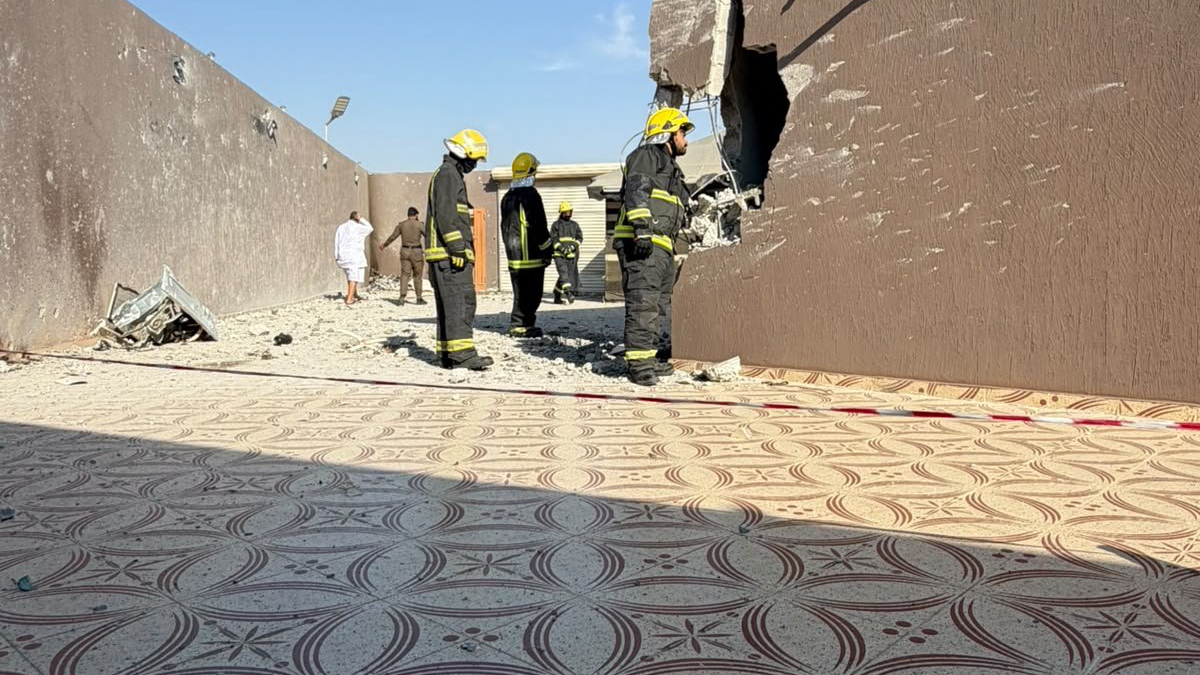
At least five people, including three children, were killed in a fresh exchange of fire between Saudi Arabia and Yemen’s Iran-allied Houthis on Thursday. The toll reflects a significant escalation in the regional conflict, with casualties reported on both sides of the border as military operations intensified.
In Saudi Arabia’s southwestern Taif governorate, civil defence authorities confirmed that a Houthi drone was intercepted, killing one Yemeni resident and injuring two others. This marks the first fatality announced within the kingdom this month since the Houthis ramped up their attacks. Simultaneously, Saudi airstrikes targeted Taiz province in Yemen, where Houthi-linked media reported that one civilian was killed and several others injured in strikes on the town of Abs.
The dispute has centred on conflicting narratives regarding the scope of the attacks. Saudi Arabia claimed a drone was launched towards Mecca before being destroyed, a statement Houthi leader Abdel-Malik al-Houthi rejected in a live televised address. Al-Houthi dismissed the claim as a “heinous lie” and “great propaganda,” arguing that Saudi Arabia was “weaponising lies” to serve its war objectives. He further accused the kingdom of initiating the latest round of conflict, framing Houthi actions as defensive.
Rashad al-Alimi, head of Yemen’s Saudi-backed Presidential Leadership Council, countered that Houthi forces are suffering heavy blows across multiple fronts, including Taiz, Marib, and Lahj. Speaking with the French ambassador to Yemen, al-Alimi described Houthi gains along the Red Sea coast as temporary, according to the state-run Saba news agency.
Diplomatic reactions have begun to shape the broader geopolitical landscape. Esmaeil Baghaei, spokesperson for Iran’s Ministry of Foreign Affairs, stated that while aggression against Islamic holy sites is condemned, a “mere claim” of intercepting a drone en route to Mecca is insufficient to accuse the Houthis. Baghaei cited recent “false flag” operations in the region, specifically pointing at Israel, as a factor complicating the verification of claims.
According to anonymous sources in Iran, China has privately asked Iranian officials to help rein in the Houthis following an appeal from Saudi Arabia. While Beijing publicly called for restraint and the restoration of safe navigation, its private diplomatic push suggests a deeper involvement in managing the crisis.
The escalation is also testing the new security architecture in the region. Pakistan’s Defence Minister Khawaja Asif announced that the time has come to implement the joint defence agreement signed with Saudi Arabia and Turkiye last month. Asif’s comments coincided with a phone conversation between Iran’s Foreign Minister Abbas Araghchi and Pakistan’s army chief Asim Munir to discuss regional developments, highlighting the widening circle of state actors engaged in the conflict.